Back in 2011, on an iron ore site in Western Australia, a 793 haul truck came in with a hydraulic pump that sounded like a bag of gravel. The mine superintendent stood in the shop doorway and asked the same question I've fielded on six continents: "Can hydraulic pumps be rebuilt?" I pulled that pump apart on a shop bench under a tin roof, and what I found gave the whole crew a lesson worth repeating.
Can hydraulic pumps be rebuilt? Yes, most can. I've rebuilt them hundreds of times. But a straight yes is not enough. You have to know the failure mode, the pump type, and the cost of doing it wrong. A piston pump that just swallowed a slug of dirty oil is a candidate. A pump that ran dry and burned its swashplate is often cores only.
I've seen this go wrong. Here's how you avoid it.
The Short Answer: Yes, But Not Every Pump
Gear pumps, vane pumps, and axial piston pumps can all be rebuilt when the housing and shaft are sound. The typical rebuild kit for a piston pump includes the barrel, pistons, slippers, swashplate, valve plate, seals, and bearings. Replace those wear surfaces and you've essentially got a new pump. The clearance tolerances are tighter than most shops understand, which is why bench testing matters.
What makes a pump not worth rebuilding is a cracked housing, a bent shaft, or severe cavitation damage that has eaten into the casting. You can't reliably weld or machine a worn housing back to spec. I've seen shops try it. The pump worked for about fifty hours before the swashplate started hammering.
Field Lesson: The most common killer of hydraulic pumps is contamination, not wear. When a pump fails, it sheds metal into the system. If you put a rebuilt pump back with the same dirty oil, it will fail the same way. The pump is not the problem; the contamination is.
When a Rebuild Makes Sense
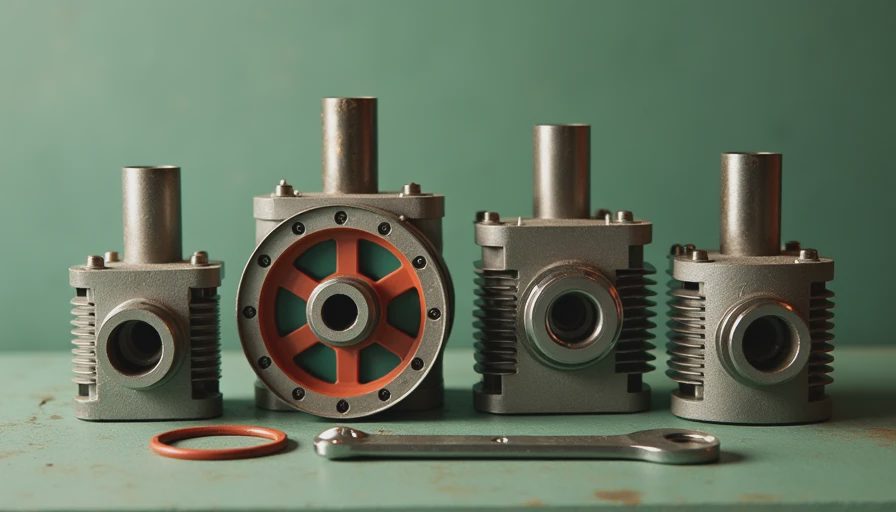
Piston pumps with a clean failure are good candidates. If the pump failed from a failed seal, a broken hose, or simply old age, the internals are usually salvageable.
Gear pumps, though, are often cheaper to replace than rebuild. The kit plus labor can exceed the price of a new gear pump. For those, I tell operators to price both and go with whichever makes financial sense.
Hydraulic pumps that have run dry, cavitated, or ingested metal from a failed motor should go straight to the scrap pile. Once the internals have been hammered with loose material, the tolerances are shot. You might save a few thousand up front and lose ten times that in downtime.
Rebuild Cost vs. New
Money talks in this industry. A rebuilt hydraulic pump will typically run 40 to 60 percent of the price of a new unit, depending on the pump size and what it needs. On a large excavator piston pump, that can be a five-figure saving. I've seen shops turn in rebuilds for $5,000 where a new OEM pump would cost $12,000 or more.
But the real cost lives in downtime. A quality rebuild with bench testing takes three to five days. A new OEM pump might take two or three weeks to reach a rural site. In mining, three weeks of downtime is a very expensive sentence. When you decide whether to rebuild, do the math on total cost of ownership: rebuild cost, expected life, and the cost of a repeat failure.
What a Quality Rebuild Includes
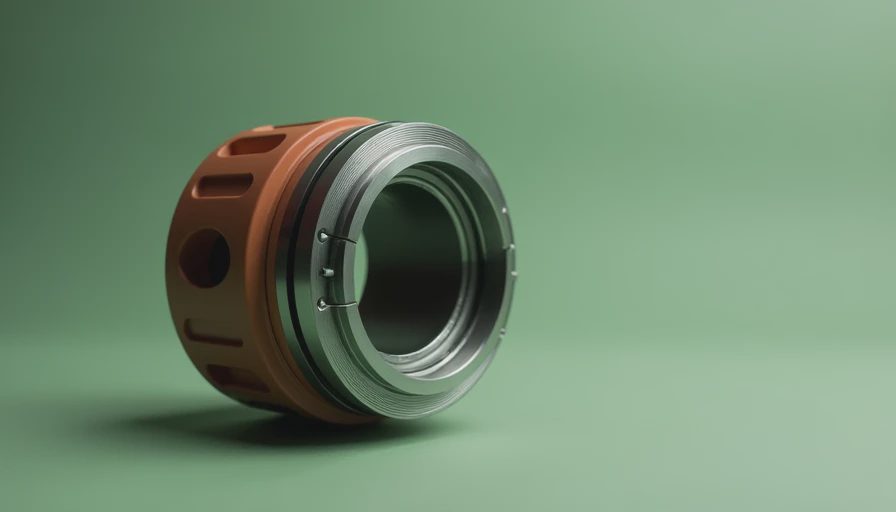
A proper rebuild is not just swapping O-rings. A good shop performs complete disassembly, cleaning, and measurement of every critical component. They replace all seals, gaskets, and worn parts, then test the pump with the correct hydraulic fluid on a bench, recording pressure and flow curves.
A word on clean rooms. A piston pump runs with clearances measured in microns. A single grain of dirt can score a valve plate beyond repair. The best rebuild shops control the assembly environment. That's not marketing; it's physics. Use a shop that takes contamination seriously, because you cannot wipe a scored plate clean.
My Field Rules for Rebuilding Pumps
First, find the root cause before you pull the pump. Check the oil, inspect the return filter for metal, and send a sample to the lab if you have to. If you don't know what killed the pump, the rebuild is already planned to fail.
Second, clean every line before you install the rebuilt pump. Blow out the cooler, replace the suction filters, and flush the hoses. That bit of patience saves a second tear-down.
Safety Alert: Never pressure-test a pump with anything other than the correct hydraulic fluid, and never stand in the line of fire when the machine is first started. A fitting thrown at 4,000 psi can injure or kill. I've seen shop incidents that a lockout tagout and a shield would have prevented.
Third, write the date and hour meter reading on the new pump with a paint marker. Ten years later, you'll know exactly how long that rebuild actually lasted.
The Bottom Line
Can hydraulic pumps be rebuilt? Absolutely, if the damage is contained and the root cause is fixed. A professionally rebuilt pump at half the cost of new is one of the best bargains in the shop. But don't take shortcuts. The only thing better than a good rebuild is a good rebuild with clean oil and a clean system.
Keep your filters fresh, your oil sample clean, and you'll retire more pumps than you rebuild.



No letters yet — be the first to write.