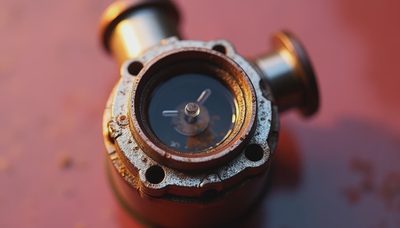
I've seen hydraulic pump repair cost sneak up on more shop foremen than almost any other line item. Back in 2011, I was on a copper site in Arizona when a loader's piston pump started whining. The young tech on site wanted to pull the pump, order a rebuild kit, and slap it back together. The kit was $1,100; the pump core was worth $4,200. By the time he added labor and a second teardown after a failed seal, the operator was out close to $7,000. I've seen this go wrong. Here's how you avoid it.
What Really Drives Hydraulic Pump Repair Cost
The first question I ask is simple: what kind of pump are we talking about? A gear pump on a compact excavator is not the same animal as a piston pump on a mining haul truck. Gear pumps are the cheapest to repair. A standard cast-iron gear pump from a skid steer or backhoe might cost $350 to $900 to rebuild, with most of that in the shaft seal, bushings, and gaskets. Vane pumps run a little higher, often $700 to $1,800, because the cartridge and pressure plate need precise clearances. Piston pumps are where the numbers get scary. A main hydraulic pump on a mid-size excavator can easily run $2,000 to $4,500 for a proper rebuild using factory parts. On mining-class machines, a piston pump repair can climb past $6,500 before labor.
That spread is why you can't get a meaningful quote over the phone. The hydraulic pump repair cost depends on displacement, pressure rating, and whether the housing is damaged. If the shaft is scored or the housing is cracked, the core may be junk.

What You're Really Paying For: Parts, Labor, and Downtime
When I break down a repair bill, parts are only half the story. Shop labor rates for hydraulic work run from $90 to $185 an hour, depending on where you are. A piston pump teardown, inspection, cleaning, and reassembly can take eight to fourteen hours. That's $1,000 to $2,500 in labor alone.
Then there's downtime. If the pump is down, the machine isn't moving dirt. A backhoe waiting on a $1,200 pump rebuild for three days costs more in lost production than the repair itself. I've seen contractors eat a $15,000 rental bill because they tried to save $600 on a pump they didn't know how to fix. That hidden cost never shows up on the invoice, but it belongs in your decision.
Field Lesson: The $4,000 Pump That Didn't Need to Fail
Spent two weeks on a Nevada gold mine years ago. A wheel loader kept losing hydraulic pressure. The shop had already replaced the main pump once, and the hydraulic pump repair cost on that job was just under $4,000. Two months later, the same pump failed. When I pulled the charge pump filter, I found fine metal glitter stuck in the pleats. The real culprit was a failing charge pump starved by a collapsed suction hose. Nobody caught it because they never looked past the pump.
Field Lesson: when a pump fails, find out why before you repair it. If your repair plan doesn't include oil sampling and a full system inspection, you're probably buying the same failure twice.

How to Get a Fair Hydraulic Pump Repair Cost Estimate
Don't just call a shop and ask for a price. The shops that quote a fixed number over the phone are guessing, and you'll pay for their guess one way or another. A fair estimate comes in steps: teardown inspection, a written parts list, and labor based on the machine's service manual. Ask the shop to put the pump on a test bench before you approve assembly. If they can't or won't, find another shop. I've seen too many rebuilt pumps fail because the tech skipped the bench test.
Get three numbers, not one. Ask for the cost to rebuild with OEM parts, a remanufactured exchange, and a new pump. Often the exchange is only a few hundred more than a rebuild and comes with a warranty. That comparison is where the real repair bill is decided.
The Root Cause Is the Real Lesson
Before you approve any repair, you need to know why the old pump died. Contaminated oil, aerated fluid, a clogged suction strainer, a failing charge pump, or a relief valve stuck shut - each of those kills pumps differently. Pull an oil sample and send it out. Check the filter for metal. Inspect the suction hose for internal collapse. If you skip this step, the hydraulic pump repair cost you're paying today is just the down payment on next month's repair.
Safety Alert: before anyone opens a hydraulic line, shut the machine off, relieve accumulated pressure, and block the machine. A hydraulic accumulator stores enough energy to turn a 2-inch relief tool into a spear. I've seen this go wrong. Here's how you avoid it: treat every line as pressurized until it's proven open.
If you're sitting at a shop counter with a dead machine, keep this simple rule: get the teardown in writing, get three numbers, and find the root cause before you approve anything. A fair price on the repair is useless if the repair doesn't stick. And if you want to avoid the next surprise, now is the time to pull your oil samples and check that suction line. You've got the pump list, the labor cost, and the field experience in front of you. Use it before you spend another dollar.