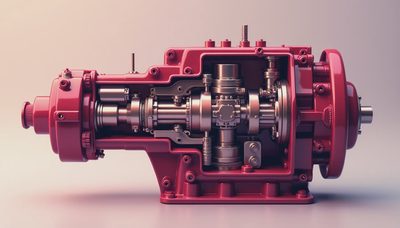
How to Increase Hydraulic Pressure in Heavy Equipment
I spent two weeks at a gold mine in West Africa back in 2016, and the phone call was the same every morning. The D11 dozer was moving slow. Blade would rise, but just barely. The operator said it had no power. The site supervisor was ready to swap the main pump, a fifty-thousand-dollar part. I told him to hold off. Before you tear into anything, understand how to increase hydraulic pressure in heavy equipment without guessing. There's a sequence to this, and it saves you time, money, and a lot of downtime.
How to Increase Hydraulic Pressure: Start With Fluid and Filters
The first thing I check on any machine is the fluid level. A hydraulic system builds pressure by resisting the flow of oil. If the fluid is low or aerated, the pump cannot generate the pressure you need. Park the machine on level ground, cycle all the functions a few times, and then check the sight glass or dipstick. Low oil is the most common cause of weak hydraulics I see in the field. On that D11, the first problem was a cracked suction line that let air into the system. When I opened the sight glass, the fluid looked like chocolate milk. Aeration makes the system groan, and pressure falls fast.
Don't stop at the fluid level. A clogged return filter creates backpressure, and a clogged suction filter starves the pump. Either one drops the pressure at your work ports. Check the filter restriction indicator, and if you're unsure, cut the old filter open. Look for metal shavings. The moment you see silver glitter in the pleats, you have a worn pump or motor, and no pressure adjustment is going to fix that. If the filter is just dirty, replace it and run the machine again. I've brought a wheel loader back to full breakout force with nothing more than a fresh filter and a clean breather.

Use a Gauge to Find the Real Pressure Number
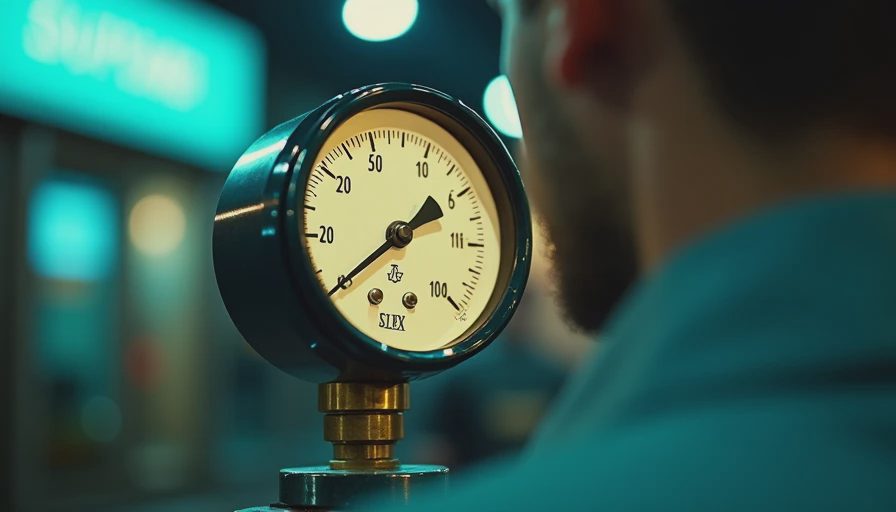
Once the fluid and filters are good, don't trust your ears. You need numbers. Tee a fitting into the test port on the circuit you're working with, or install a pressure gauge in the line. Run the engine at rated RPM, warm the oil to operating temperature, and cycle the function against the relief. Compare the reading to the spec in the service manual. If you're down 10 to 15 percent, some machines can still work, but if you're down 20 percent or more, something is wearing out.
If only one function is weak, the problem lives in that circuit. It could be a worn spool, a leaking cylinder seal, or a relief valve set too low. If every function is weak, the problem is upstream. That points to the main pump, the main relief, or the compensator.
Cranking the Relief Valve Is Not How to Increase Hydraulic Pressure
Here's where I see a lot of young techs go wrong. They grab a wrench and turn the relief valve adjustment screw to raise the pressure. That is not how to increase hydraulic pressure safely. Relief valves are set at the factory to protect the system. Cranking them up can blow seals, burst hoses, and overstress the pump. I've seen a loader's boom arm drop suddenly because the operator maxed out the relief and blew a hose. Safety Alert: never exceed the pressure stamped on the cylinder or hose. If you must adjust the relief, do it a quarter turn at a time and watch the gauge. Better yet, pull the valve out and clean it. Contaminated oil is often the reason it sticks.
How to Handle Contamination and Pump Wear
This is where the real money gets lost. A worn hydraulic pump loses volumetric efficiency, which means it pushes less oil per revolution. That drops pressure. The fix is not to speed up the engine or crank the compensator. The fix is to find out why the pump is wearing. I've done oil sampling on sites from Chile to Indonesia, and abrasive particles in the fluid cause most pump failures. Check the breather cap, the cylinder rod wipers, and the filter. If the oil sample shows high particle counts, change the oil, replace the filters, and find the entry point before you put a new pump in.
If the flow meter test shows flow dropping hard as pressure rises, you have internal leakage. A new pump for a large dozer can run anywhere from ten to thirty thousand dollars. A rebuilt cartridge is often half that. If you don't have a clean bench and the right seals, let a hydraulic shop handle the rebuild. Trying to mask a worn pump with a higher pressure setting only makes it fail faster.
Field Lesson: Fix the Suction Line Before Spending $50,000
Back to that D11 in West Africa. The cracked suction line was the problem. We replaced it, changed the oil and filters, and the pressure came back to spec. The supervisor shook his head when he saw the bill: a couple of hundred dollars for hoses and oil instead of fifty thousand for a pump. That's the lesson: how to increase hydraulic pressure is not a tune-up trick. It's a diagnostic process. Start with fluid, then filters, then measure, then inspect the relief and pump. Work through the list in that order and you'll fix the machine the first time, not the third.
I've seen this go wrong. Here's how you avoid it: never assume the pump is bad until you've verified the basics. And never crank the pressure to mask a mechanical problem. Field Lesson: spend forty dollars on a gauge before you spend forty thousand on a pump. That's the cheapest warranty you'll ever buy.