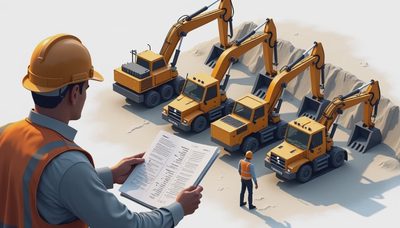
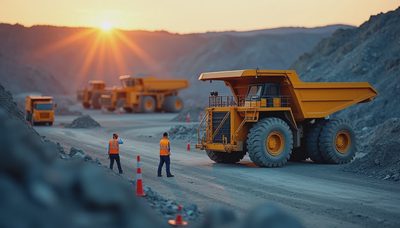
The first time I watched a haul truck lose a final drive in the Pilbara, the machine was carrying a full load and the shift was already behind. The operator got it stopped safely, but the repair consumed days, a crane crew, and a stack of very expensive parts. That is the practical side of the mining equipment market hits 77.54b headline. Money is moving into iron, but every dollar spent on a machine also creates a demand for competent operators, planned maintenance, tooling, and parts support.
I have seen this go wrong. Here is how you avoid it: do not read a market number as permission to buy the biggest machine in the brochure. Read it as a warning that competition for reliable equipment, experienced technicians, and uptime will get tougher.
What the 77.54b headline really signals
The mining equipment market hits 77.54b phrase points to a broad industry valuation, not a check waiting for every mine superintendent. Market figures generally combine equipment categories such as surface mining trucks, hydraulic excavators, electric rope shovels, underground loaders, drills, crushing systems, and support machinery. They can also include new equipment sales, rebuilds, technology packages, and related services, depending on how the research was assembled.
For a working site, the useful question is different: where will capital produce more tons without creating a maintenance bottleneck? A new 400-ton haul truck can add capacity, but it also needs tire management, fuel capacity, haul-road discipline, trained technicians, diagnostic software, and a parts plan. A smaller loader or drill might deliver a faster return if the existing fleet is losing hours to preventable failures.
When I worked around Cat 797 trucks, the truck itself was only one part of the production system. A failed tire, plugged cooler, weak blast pattern, or poorly controlled loading area could erase the advantage of a new asset. The mining equipment market hits 77.54b story is therefore about systems, not shiny paint.
Where the money is likely to land
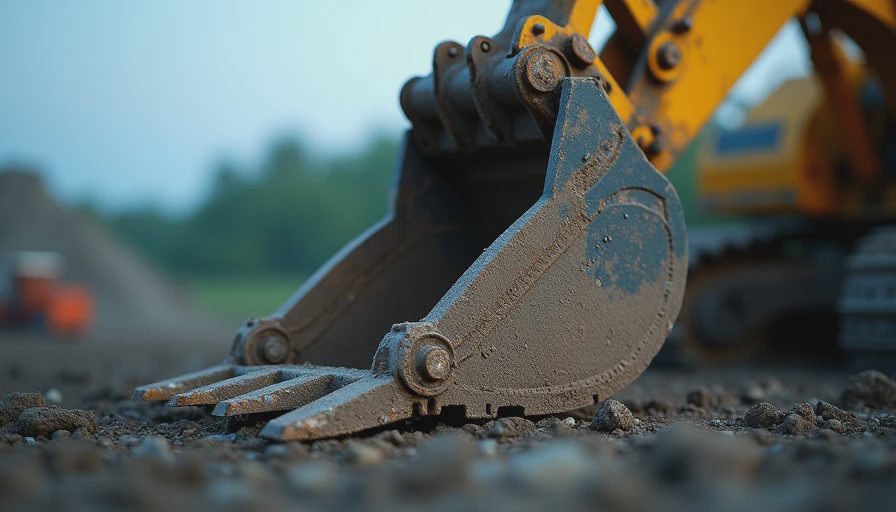
Large surface mines still need haul trucks, electric shovels, wheel loaders, dozers, graders, water trucks, and drills. Underground operations add load-haul-dump machines, underground trucks, roof bolters, development equipment, and ventilation-related infrastructure. Contractors often need flexible machines that can move between jobs rather than one specialized unit tied to a single ore body.
Electrification is another major part of the conversation. Battery-electric underground loaders and trucks can reduce diesel emissions in enclosed workings, but they bring new requirements for charging, battery monitoring, thermal controls, isolation procedures, and technician training. An electric machine is not automatically simpler. It changes the failure modes and raises the cost of a mistake.
Automation and remote operation also attract investment. Autonomous haulage can improve consistency in the right environment, but it does not eliminate people. It shifts labor toward control rooms, communications, sensor maintenance, tire inspection, software support, and safe interaction between autonomous and manually operated equipment. The mining equipment market hits 77.54b number should make supervisors ask whether their site is ready for those support demands.
The maintenance bill behind every purchase
A machine purchase price is only the front door. Over the life of a large haul truck, major costs include fuel or energy, tires, lubricants, component replacements, planned rebuilds, ground-engaging tools, labor, transportation, and lost production. A hydraulic excavator can suffer expensive downtime from contaminated oil long before anyone notices a dramatic leak. A dozer can destroy an undercarriage through poor track tension and careless turns on hard ground.
In my shops, oil sampling was never treated as a paperwork exercise. A rising iron reading, coolant contamination, or abnormal silicon level gave us a chance to investigate before a bearing, liner, or hydraulic pump turned into a field failure. That only works when samples are taken consistently and results are tied to machine hours, operating conditions, and recent repairs.
A practical budget should reserve money for condition monitoring, planned component changes, special tooling, and emergency freight. If a site spends every capital dollar on acquisition, the maintenance department inherits an unreliable asset with no room to protect it. The mining equipment market hits 77.54b trend will reward companies that fund the support structure, not just the fleet count.
Safety Alert: never troubleshoot a raised body, suspended attachment, pressurized hydraulic circuit, or energized electric system by yourself. Lockout procedures, blocking, isolation, and verification are not optional steps. A shortcut around stored energy can turn a routine inspection into a fatal event.
How shop foremen should prepare
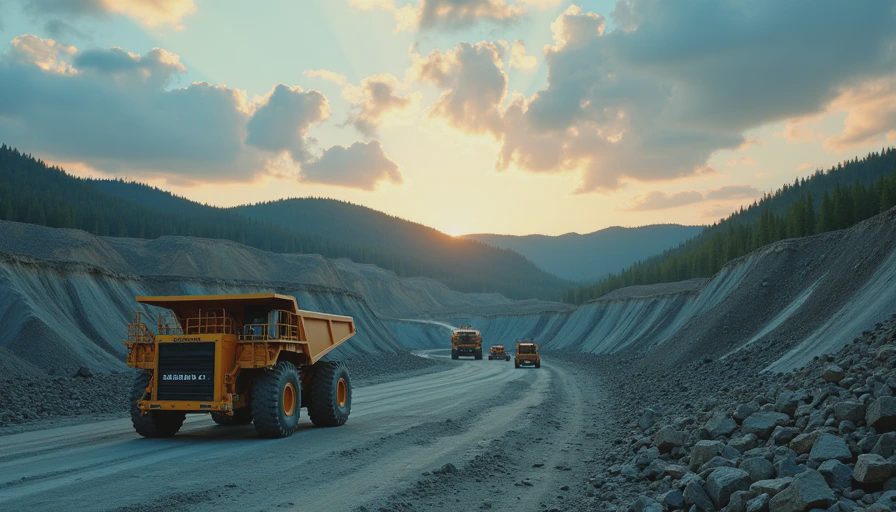
Start with the machines already on the pad. Identify the five assets that cause the most lost production, then separate chronic design issues from operating damage and weak maintenance execution. Pull work orders for repeat failures. If the same truck returns for overheating every few weeks, replacing another thermostat is not a strategy. Inspect airflow, radiator cleanliness, fan control, coolant condition, loading practices, and the accuracy of the temperature signals.
Next, audit parts availability. Critical filters, hoses, sensors, seals, and electrical connectors should have a defined reorder point. For major components, document supplier lead times and approved alternatives before the failure occurs. A bargain part that arrives quickly but cannot survive the duty cycle is not a saving; it is a second outage.
Then train the people who touch the machine. Operators should know what normal pressures, temperatures, sounds, and response times feel like. Technicians need current service information and a clean way to record findings. Supervisors should protect inspection time instead of treating every pre-shift check as lost production.
Buying equipment without buying trouble
Before approving a purchase, compare total operating cost, not just the quoted price. Ask how many trained technicians the machine requires, which diagnostic tools are proprietary, how fast major components can be supplied, and whether the dealer has field support near the site. Caterpillar, Komatsu, Volvo, Sandvik, Epiroc, Liebherr, and other manufacturers each have strong equipment categories, but brand reputation does not replace application matching.
Check the ground conditions, payload, haul distance, altitude, ambient temperature, dust load, and operator experience. A truck selected for a short, smooth haul can struggle badly on steep grades and rough roads. A loader sized for maximum bucket volume may spend its life waiting on trucks or damaging tires in a cramped loading area.
Field Lesson: on one high-altitude job, the best improvement was not a larger engine. It was better cooling-system cleaning, tighter inspection discipline, and a haul-road repair plan. The fleet gained availability because the team fixed the conditions killing the machines.
The takeaway for people in the cab and shop
The mining equipment market hits 77.54b headline reflects confidence in mining investment, but confidence does not repair a cracked frame or make an unsafe work area acceptable. Operators still need clear radio calls and disciplined walkarounds. Technicians still need clean components, correct torque procedures, and time to test a repair. Foremen still need the authority to stop production when a machine presents an uncontrolled hazard.
If your company is expanding, use the growth cycle to build a stronger maintenance program before delivery trucks arrive. Review rebuild capacity, hire and mentor apprentices, improve parts storage, and establish failure-review meetings that focus on causes rather than blame. If a failure involves a structural crack, brake system, steering circuit, high-voltage equipment, or uncontrolled hydraulic energy, stop and call a qualified shop or manufacturer representative.
The best fleet is not the one with the newest serial numbers. It is the one that starts when scheduled, works within its design limits, and comes home safely at the end of the shift. That is the field lesson behind the mining equipment market hits 77.54b story: investment creates opportunity, but disciplined people turn equipment into production.