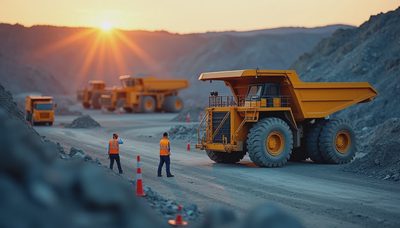
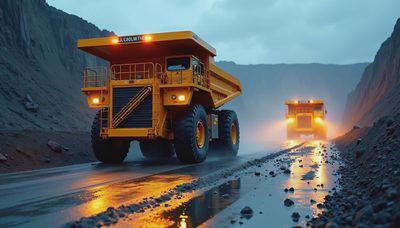
The first warning was not an alarm. It was a change in the haul truck's engine note at an iron ore site in Western Australia. The operator heard a dull miss under load, but production was pushing hard, so the truck stayed in the circuit. Six hours later, a damaged injector washed a cylinder, and the repair bill climbed past a routine service into a major engine job. That is the lesson I attach to the mining machinery market 2026 77.54 billion forecast: growth in equipment spending does not excuse sloppy inspection. More iron in the pit means more machines, more components, and more chances for a small fault to become a shutdown.
I spent 30 years around Caterpillar equipment, from 797 haul trucks to D11 dozers and large hydraulic shovels. A market figure can look clean on a screen, but a mine manager experiences it as tires, filters, final drives, fuel burn, technician hours, and lost tonnes. The useful question is not whether the number sounds impressive. It is what kind of equipment investment it represents and whether fleets can support that iron after delivery.
What the 77.54 Billion Figure Actually Signals
The phrase mining machinery market 2026 77.54 billion is best treated as a market forecast or sizing reference, not a check waiting to be deposited. Figures like this generally combine several equipment categories and regions, including surface mining trucks, excavators, loaders, drills, crushing equipment, underground machines, parts, and service activity. Different research firms define the market differently, so readers should examine the scope behind any forecast before comparing it with a supplier's sales claim.
Still, the direction matters. Mines are dealing with aging fleets, deeper deposits, tighter fuel targets, stricter dust controls, and pressure to move material with fewer interruptions. Those forces support spending on replacement trucks, autonomous-ready systems, electric or hybrid support equipment, fleet-management software, and rebuild programs. A new machine is only one answer. In many pits, a properly remanufactured transmission or hydraulic pump can return an older unit to dependable service for far less than replacement cost.
Where the Money Reaches the Pit Floor
When the mining machinery market 2026 77.54 billion outlook turns into purchase orders, the money rarely goes to one machine type. Haul trucks absorb serious capital because tires, powertrain components, braking systems, and payload controls all carry heavy operating consequences. Large excavators and rope shovels attract investment where a single loading unit feeds an entire truck fleet. Drills, graders, dozers, crushers, conveyors, and underground loaders fill out the production chain.
I have watched a mine spend heavily on new trucks while leaving its wash-bay water treatment and parts storage in poor shape. That is backwards. Dirty wash water contaminates electrical connectors, and poorly stored seals become scrap before installation. A sound capital plan includes tooling, lifting gear, diagnostic software, training, filters, hoses, and critical spares. A $3 million machine does not perform like a $3 million asset when the site cannot support its maintenance needs.
The Maintenance Burden Behind New Equipment
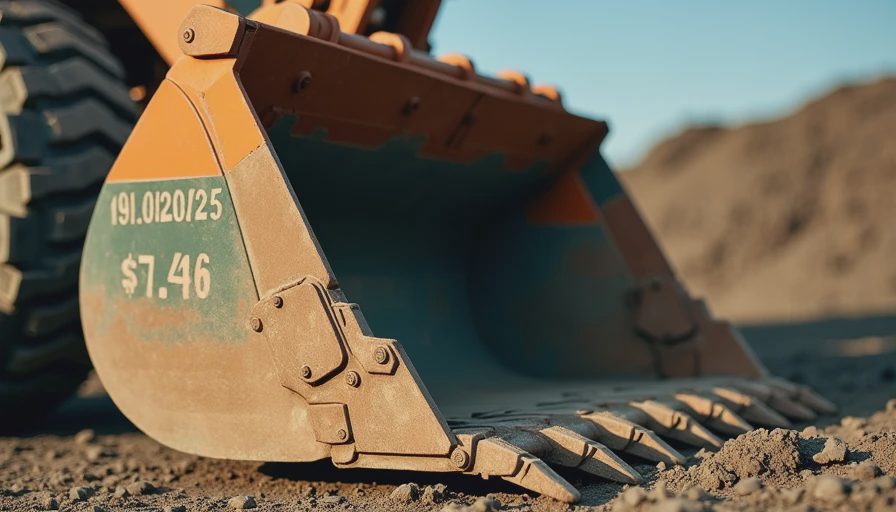
Every forecast connected to the mining machinery market 2026 77.54 billion should make shop foremen ask one question: who will maintain the additional equipment? A modern truck may provide better data, emissions control, and fuel management, but it also brings electronic modules, high-voltage systems on some platforms, and software-dependent troubleshooting. That does not make the machine bad. It changes the skills and tooling required to keep it working.
At one copper operation in Chile, the best improvement was not another service truck. It was a disciplined oil-sampling program tied to clear action limits. Mechanics caught abnormal iron in a differential before the gear teeth failed. The repair still required planning, but the mine avoided a secondary failure and an unscheduled recovery. Trend data is useful only when somebody reads it, understands the machine's duty cycle, and acts before the component becomes a pile of expensive metal.
Field Lesson: write the next service action on the sample report. “Monitor” is not a plan. State whether the unit needs a resample, inspection, derate, or immediate removal from production.
Buying Decisions Operators Should Challenge
The mining machinery market 2026 77.54 billion conversation can tempt buyers into chasing the newest specification sheet. I would start somewhere less glamorous: payload, haul profile, altitude, ground conditions, available fuel, climate, and technician support. A truck configured for a flat, low-altitude haul road may not be the right choice for steep grades and thin air. A loader with impressive breakout force still loses money if its tires, cooling package, or hydraulic attachments do not match the site.
Ask the dealer for realistic life-cycle details. What is the expected interval for major component replacement? Which parts are stocked regionally? How long does a trained technician need to access the transmission or pump? What diagnostic subscriptions are required? Can the machine be safely recovered when disabled on a ramp? A lower purchase price can disappear quickly if one failed component causes a week of production loss.
Safety Alert: never turn a forecast-driven expansion into a shortcut around lockout procedures. Stored hydraulic pressure, suspended bodies, rotating fan assemblies, and high-voltage circuits can kill. The production target does not change the energy in the machine. Stop, isolate, verify, and use the manufacturer's procedure.

Automation, Data, and the Human Element
A major share of the mining machinery market 2026 77.54 billion discussion involves automation, remote operation, telematics, and predictive maintenance. These tools can reduce exposure to dust, blasting zones, and traffic hazards. They can also highlight tire temperatures, payload trends, fault codes, idle time, and component health. Used properly, that information helps a supervisor prioritize the truck that needs attention instead of treating every unit as equally healthy.
Data does not replace an experienced ear or a careful walkaround. A sensor can report normal pressure while a hose rubs against a frame bracket. A fault code can identify a circuit without explaining a loose ground, damaged harness, or failing solenoid. Train operators to report changes in sound, smell, vibration, and response. Give technicians time to inspect the physical machine. The strongest systems combine electronic evidence with people who know what normal feels like.
A Practical Checklist for Fleet Planning
Before approving equipment tied to the mining machinery market 2026 77.54 billion forecast, I would put five checks on the table. First, calculate the complete operating cost, including fuel, tires, planned maintenance, rebuilds, fluids, and downtime. Second, compare dealer response times and parts availability, not just machine price. Third, confirm that the shop has the lifting equipment, diagnostic tools, and trained personnel required for the model.
Fourth, define a commissioning plan. Inspect shipping damage, record baseline fluid levels, verify software settings, complete a controlled break-in, and train operators before production use. Fifth, create a retirement or rebuild trigger based on hours, condition, repair history, and mission needs. A machine should not stay in service simply because its book value is low, and it should not be discarded simply because a newer model is available.
The figure gets attention, but dependable tonnes come from execution. I've seen this go wrong. Here's how you avoid it: buy for the duty cycle, maintain the support system, listen to the people closest to the iron, and stop a machine when its warning signs do not make sense. That is how a large market forecast becomes safer, steadier production in the real world.