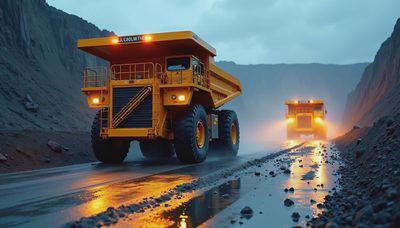
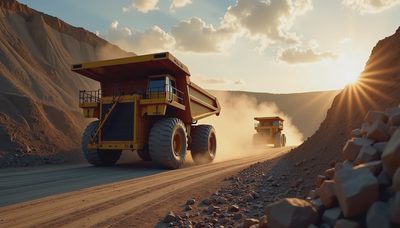
I was in Western Australia when a nearly new haul truck spent more time waiting for a charging connection than moving ore. The battery was not the failure. The site had chosen equipment before checking electrical capacity, technician training, and spare-parts support. That is the mistake behind many electric mining equipment 2026 OEM selection projects. A brochure can promise quiet operation and lower energy cost. It cannot repair a damaged cooling loop at midnight or explain why the charger derated during a hot shift. I have seen this go wrong. Here is how you avoid it.
Start With the Duty Cycle, Not the Brochure
Electric mining equipment 2026 OEM selection should begin with the work cycle written on paper. Record payload, haul distance, grade, average speed, idle time, ambient temperature, elevation, shift length, and available charging windows. A battery-electric underground loader working short headings has a completely different requirement from a surface haul truck climbing a long ramp in freezing weather.
Ask each OEM for performance data under your actual conditions. Look for usable battery energy rather than the advertised pack size. A machine may carry a large battery, but thermal limits, reserve settings, regenerative braking, and operating speed determine what reaches the face. Request an example shift simulation showing loaded travel, empty return, queuing, charging, and planned battery reserve.
Field Lesson: At one copper operation, operators were instructed to charge during lunch. The plan looked sensible until blasting delays pushed the lunch window into the production cycle. The fleet then returned with too little reserve, and supervisors had to dispatch diesel support. Build the charging plan around real interruptions, not an ideal shift diagram.
Compare the OEM Support System
The strongest electric mining equipment 2026 OEM selection is often decided by service coverage, not motor horsepower. Ask where the nearest qualified high-voltage technician is based, how many technicians are trained on the exact model, and which parts are stocked regionally. A promise of factory support is not enough if a replacement inverter must cross an ocean.
Review the OEM's parts forecast for at least the first 24 months. Include battery modules, coolant pumps, contactors, onboard chargers, power electronics, tires, brake components, and ordinary filters. Battery packs are not routine consumables, but cooling components and electrical protection devices can stop a machine just as effectively as a failed motor.
Caterpillar, Komatsu, Sandvik, Epiroc, Volvo Construction Equipment, and other established manufacturers offer different strengths by machine class and region. Do not select by name alone. Require references from mines operating similar equipment, preferably at comparable altitude, temperature, and production intensity. Speak with the maintenance superintendent, not only the sales team.
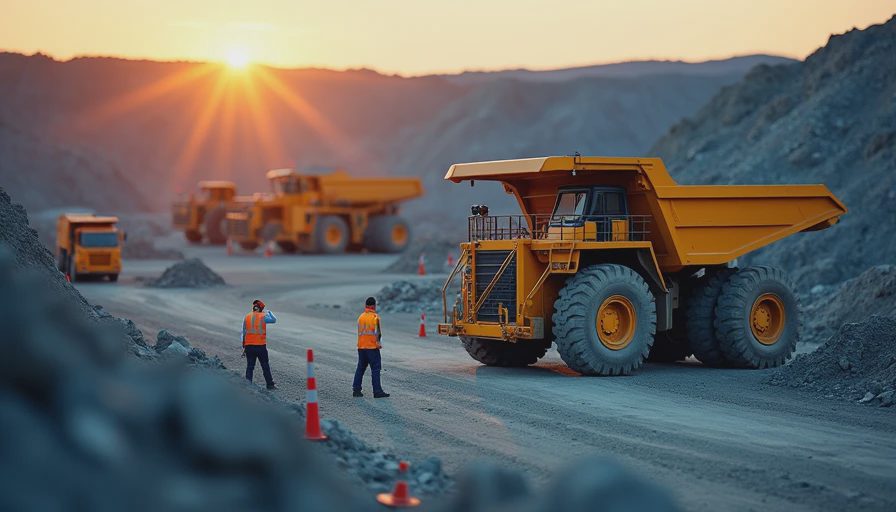
Make Charging Infrastructure Part of the Machine Purchase
A truck is not productive when the charger is waiting on a transformer upgrade. During electric mining equipment 2026 OEM selection, obtain a single-line electrical drawing for the proposed charging yard. Confirm incoming voltage, transformer capacity, switchgear ratings, cable length, grounding, communications, and emergency isolation. Your electrical contractor and the OEM should review the design together before the purchase order is signed.
There are three practical charging questions. First, can the site deliver the required power during the planned window? Second, can multiple machines charge without forcing each unit into a reduced-power mode? Third, what happens when the grid trips? A backup generator may preserve critical services, but it might not have enough capacity to charge a large battery fleet.
Fast charging can reduce queue time, but it can also increase thermal load and demand charges. Opportunity charging may work well for underground loaders that pass a fixed bay repeatedly. Overnight charging suits equipment with predictable shifts. The right answer depends on traffic flow, not on the fastest number in a specification sheet.
Safety Alert: High-voltage battery equipment requires controlled isolation, verified de-energization, arc-flash procedures, and trained personnel. Keep damaged packs out of ordinary maintenance bays. Water intrusion, crushed enclosures, and collision damage deserve immediate escalation to the OEM's qualified high-voltage team.
Evaluate Battery Life and Thermal Management
Battery life is not a single calendar number. It depends on depth of discharge, charging rate, temperature, vibration, storage state, and how often the machine operates at maximum load. During electric mining equipment 2026 OEM selection, ask what the warranty covers and what conditions void it. A warranty measured only in years tells you little without cycle limits, capacity thresholds, labor coverage, and removal logistics.
Examine the cooling system closely. Liquid cooling can control temperature more effectively than air cooling in demanding applications, but it adds pumps, hoses, heat exchangers, sensors, and coolant maintenance. Ask how the system detects a leak, how quickly it derates power, and whether a technician can replace a pump without removing the battery enclosure.
Request battery health data that a mine can actually use. The fleet system should show state of charge, temperature trends, charging history, fault codes, and capacity decline. If the only useful diagnosis requires a factory laptop and a remote engineer, production will suffer during a communications outage.
Build the Maintenance Plan Before Delivery
The best electric mining equipment 2026 OEM selection includes a written maintenance plan before the first machine arrives. Identify daily inspection points, tire and brake checks, coolant sampling, connector inspection, software updates, and battery enclosure checks. Electric drivetrains remove engine oil, fuel filters, and some exhaust components, but they do not eliminate contamination, wear, or human error.
Train operators first. A driver who understands regenerative braking, charge limits, warning messages, and collision inspection can prevent expensive damage. Train technicians next on electrical boundaries: what they may inspect, what they may isolate, and what requires an authorized specialist. Put those limits on the wall, in the shift handover, and inside the maintenance management system.
Plan for software as carefully as hardware. Ask who owns diagnostic data, how updates are approved, whether updates can be tested on one machine, and what happens when a connectivity service is unavailable. Never let an automatic update interrupt a production shift without a rollback plan.

Use a Paid Field Trial and a Hard Scorecard
Do not judge an electric machine after a demonstration lap. For electric mining equipment 2026 OEM selection, run a paid field trial long enough to capture different operators, weather, payloads, and charging conditions. Thirty days can reveal more than a polished two-hour visit, while a longer pilot is better for measuring maintenance workload and battery behavior.
Score every OEM on the same sheet. Use categories such as production per shift, energy consumed per ton, charging availability, unplanned downtime, technician response time, parts lead time, training quality, safety compliance, and total cost per operating hour. Give infrastructure and support enough weight. A machine that costs less but sits idle for two days can be the expensive choice.
When reviewing numbers, separate measured results from estimates. Record the odometer or operating hours, payload, route, weather, charge percentage at start and finish, and fault events. Have both the mine and OEM sign the trial report. If the supplier will not share raw data, treat that as a warning.
The Selection Questions I Would Put in Writing
Before approving the order, require clear answers to these questions:
- What usable energy remains when the battery reaches the site's minimum reserve?
- What production rate is guaranteed under the documented duty cycle?
- Which failures can the mine repair, and which require OEM personnel?
- How many trained high-voltage technicians are within practical travel distance?
- What battery capacity and labor coverage does the warranty provide?
- What is the maximum simultaneous charging load at the planned yard?
- Which parts are stocked locally, and what is the emergency freight plan?
- Can the fleet operate safely during network or cloud-service downtime?
The right answer will not always be the machine with the largest battery or the lowest purchase price. It will be the package that matches the route, power system, people, and repair capability of the mine.
I spent three decades watching good iron become bad production because somebody skipped the unglamorous details. Electric mining equipment 2026 OEM selection is no different. Start with the duty cycle, prove the charging system, inspect the support network, and test the machine in honest field conditions. I've seen this go wrong. Here's how you avoid it: make the OEM prove the whole operating system, not just the machine.