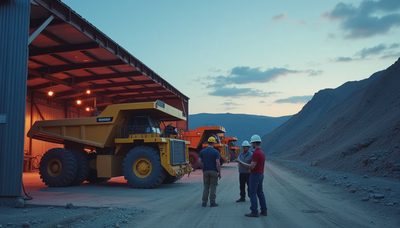
At a copper operation outside Calama, Chile, a haul truck came into the shop with a failed final drive and a trail of metal through the planetary gears. The first diagnosis was simple: overloaded truck, broken gear. It was also wrong. The real cause was a plugged magnetic screen that let contaminated oil circulate until the bearings ran hot. That repair cost far more than a screen inspection would have. Good mining equipment failure analysis does not stop at the broken part. It asks what started the chain, what warning was missed, and what must change before another machine suffers the same fate.
I spent 30 years with Caterpillar field service, working on haul trucks, dozers, shovels, loaders, and support equipment on six continents. I've seen this go wrong. Here's how you avoid it.
Start With the Failure Scene, Not the Parts Counter
The machine should be preserved before anyone tears into it. Record the hour meter, load, operating conditions, fluid levels, alarms, recent repairs, and the exact point where performance changed. Photograph damaged components before cleaning them. A cracked gear tooth, discolored bearing, or blue hydraulic valve spool can disappear under a pressure washer.
Interview the operator while the event is fresh. Ask whether the truck had abnormal noise, sluggish retarding, rising oil temperature, steering effort, or a warning light. Operators often notice a change several shifts before a component fails. Their report is evidence, not background noise.
Separate the primary failure from the secondary damage. A seized bearing can destroy gears, shafts, and housing bores in minutes. If the team replaces every damaged item without identifying the initiating defect, the rebuilt component can fail again within weeks. Mining equipment failure analysis should create a timeline: first symptom, operating response, component damage, and final shutdown.
Field Lesson: On an Australian iron ore site, a hydraulic pump was blamed for poor shovel cycle time. Testing found the pump was healthy. A collapsed suction hose liner was restricting inlet flow and causing cavitation. The pump was a victim, not the culprit.
Gather Evidence That Tells a Mechanical Story
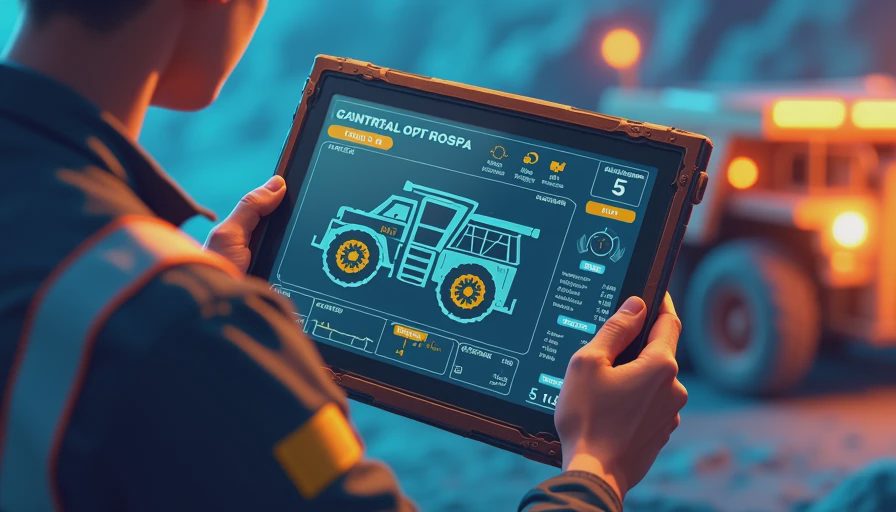
Oil sampling is useful only when the sample is representative and tied to a trend. Take samples from the same port, at similar operating temperatures, and record hours since the last service. Rising iron can point toward gears, bearings, or cylinder wear. Silicon often indicates dirt entry, while abnormal copper can suggest bushing or cooler-related wear. One sample is a clue; a sequence is evidence.
Inspect filters and cut them open. Filter pleats can reveal glittering steel, bronze flakes, fiber, or rubber debris before a catastrophic event. Magnetism helps separate ferrous wear from other contamination, but it does not identify the source by itself. Pair the debris with pressure tests, temperature readings, and component inspection.
Electronic data also deserves attention. Machine monitoring systems can show overspeed events, repeated high coolant temperature, low hydraulic pressure, or transmission shifts outside normal conditions. Do not treat a fault code as a diagnosis. A low-pressure code could come from a failed sensor, a leaking circuit, a worn pump, or an empty reservoir.
In mining equipment failure analysis, the strongest conclusions usually come from several independent clues pointing in the same direction. A hot bearing, darkened oil, elevated iron, and a loose preload tell a more reliable story than any one observation.
Find the Root Cause Instead of Naming the Broken Part
Use a disciplined sequence of questions. What failed? Why did it fail? What allowed that condition to continue? Why was it not detected earlier? For example, a wheel loader transmission may lose drive because a clutch pack burned. The next question is why the clutch slipped. Low control pressure, contaminated oil, an incorrect calibration, or an operator repeatedly shifting under load could all be involved.
Check maintenance records against the machine manual and site procedure. A missing breather, wrong filter, extended drain interval, or reused seal can explain a surprising number of failures. So can installation errors: incorrect bearing preload, unclean hydraulic lines, improper torque, or a hose routed against a frame edge.
Look beyond the machine. Haul-road conditions, payload practices, water quality, dust, altitude, ambient temperature, and operator training affect component life. A truck working steep grades at high altitude has a different cooling and braking burden than the same model on a flat, cool site.
Safety Alert: Never inspect a failed hydraulic circuit by hand for a leak. High-pressure oil can penetrate skin and require emergency treatment. Shut down, isolate energy, relieve pressure using the approved procedure, and use cardboard or a proper leak-detection tool.
Compare Failure Patterns Across the Fleet
One broken machine can be bad luck. Three similar failures are a maintenance signal. Build a simple fleet review using model, component, hours, failure mode, oil results, repair source, and operating location. Compare machines with different operators and shifts. If failures cluster around one work area, investigate the environment or duty cycle before condemning the component design.
A trend might show that final drives fail near 8,000 hours after machines begin hauling heavier loads on a new ramp. Another might show that hydraulic hose failures occur after a routing change during a cab replacement. These patterns turn an expensive repair into a preventable action, such as changing inspection intervals, adding a guard, correcting payload control, or revising a hose clamp location.
The repair order should record the cause and the corrective action, not just “replaced pump.” Write “pump damaged by abrasive contamination from failed intake seal; intake inspection and particle count added to service plan.” That language helps the next technician work faster and gives the foreman something measurable to verify.
Build a Practical Investigation Procedure
First, make the machine safe and preserve the evidence. Second, collect operator statements, electronic data, fluid samples, filter debris, and maintenance history. Third, verify the complaint with controlled tests rather than assumptions. Fourth, disassemble methodically and mark component orientation, wear patterns, and clearances. Fifth, compare measurements with the manufacturer’s service limits. Finally, document the initiating cause, contributing conditions, failed detection points, and corrective actions.
For critical equipment, use a second qualified technician or an engineering review before releasing the machine. A fresh set of eyes can catch a missed plugged cooler, incorrect seal direction, or damaged mating surface. If a crack involves a pressure vessel, boom, frame, steering component, or lifting structure, stop production pressure from driving the decision. Use qualified nondestructive testing and manufacturer guidance.
Good mining equipment failure analysis is not about assigning blame. It is about making the next shift safer and more productive. A clear report should answer what happened, why it happened, how the team knows, and what will prevent recurrence.
Turn the Lesson Into Maintenance Action
The final step is ownership. Assign a person, a deadline, and a verification method for every corrective action. If contamination caused a pump failure, confirm cleanliness with a particle count or inspection result. If overheating caused a transmission failure, verify cooler performance under working load. If operation caused damage, coach the operators and review the trend after several shifts.
Use the findings to improve predictive maintenance. Add targeted temperature checks, vibration readings, oil sampling, filter inspections, or borescope work where the evidence supports it. Do not add ten new checks that nobody can complete. One reliable inspection at the right interval beats a thick checklist filled out from the break room.
The best sites I worked with treated a failure as paid tuition. They captured the lesson, changed the process, and checked whether the change worked. That is the standard worth chasing. When the evidence is incomplete or the consequence of another failure is severe, call the manufacturer, a qualified component shop, or an experienced field engineer. Production can wait longer than an unsafe machine can.
Mining equipment failure analysis earns its value when it prevents the second breakdown. Find the first cause, protect the people doing the work, and make the repair record useful to the next crew. That is how expensive iron stays earning its keep.