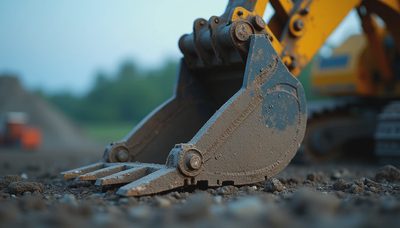
At a copper operation in northern Chile, a haul truck came into the shop with a complaint nobody wanted to hear: the rear axle was making a faint growl under load. The truck had nearly 18,000 hours, and production was pushing the crew to keep it moving. The noise was easy to dismiss. Two shifts later, a final-drive bearing came apart, damaged the planetary gears, and left the truck parked for weeks. Nobody was hurt, but the repair bill ran into six figures. That is why mining equipment reliability improvement starts with listening to small changes before they become large failures.
I spent 30 years around Caterpillar machines on six continents. I've seen this go wrong. Here's how you avoid it: build a maintenance system that catches evidence early, gives technicians time to act, and treats safety as part of uptime rather than an obstacle to it.
Find the failure before it finds you
The first step is learning what normal sounds, temperatures, pressures, and fluid conditions look like for each machine. A 797 haul truck, 6040 hydraulic excavator, and D11 dozer do not announce trouble in the same way. Operators should record changes in starting time, steering response, brake feel, hydraulic cycle speed, exhaust color, and unusual vibration. A short note such as “left rear hub hotter than right after the loaded run” is more useful than “machine seems rough.”
That is mining equipment reliability improvement in practical terms: turn observations into a trend. Use infrared checks on hubs, electrical connections, hydraulic components, and exhaust systems when the procedure and equipment are appropriate. Oil sampling can reveal wear metals, coolant, fuel dilution, or dirt before a component fails, but the sample must be clean and taken from the correct point. A contaminated sample creates false confidence, which is almost as dangerous as having no sample.
Field Lesson: On an Australian iron ore site, an operator noticed that a shovel boom was settling slightly during pauses. The machine still dug, so production wanted to continue. A pressure test found an internal cylinder leak before the rod seal failed completely. The repair took one planned shift instead of forcing an emergency shutdown with a suspended load.
Make inspections repeatable, not ceremonial
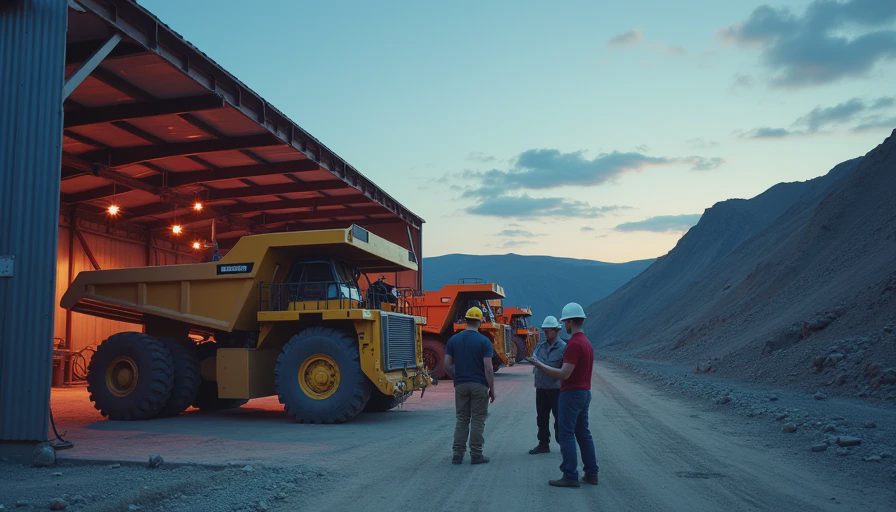
Many inspection programs fail because they depend on memory. A good pre-shift inspection has a route, a time standard, and clear escalation points. Walk the same direction around the machine. Check tires or tracks, steps, handrails, guards, leaks, fire suppression components, lights, mirrors, windows, and attachment pins. Then inspect the engine compartment, belts, filters, hoses, wiring, and fluid levels. A clean machine makes leaks easier to see; cleaning is not cosmetic work on mining iron.
Use defect categories that tell the shop what to do. “Monitor” means the machine can work while a scheduled repair is arranged. “Repair before next shift” means production planning must respond. “Park and isolate” covers conditions such as a brake fault, damaged steering component, severe hydraulic leak, loose wheel hardware, cracked structural member, or failed fire protection system. If a defect can change control of the machine, do not let a production target make the decision.
For mining equipment reliability improvement, the handoff matters as much as the inspection. The operator should explain when the symptom occurs, whether the machine is loaded, and whether the problem is getting worse. The technician should record the test performed, measurement obtained, and repair recommendation. Photographs of a leak, cracked mount, or damaged hose can prevent a shift of confusion between the pit and the shop.
Control contamination and heat
I have rebuilt hydraulic pumps that were blamed on poor design when the real culprit was dirt introduced during a hose change. Keep hydraulic fittings capped, use clean tools, inspect replacement hoses before installation, and flush lines when the repair requires it. Do not wipe an open fitting with a greasy rag and call the system clean. Dust, water, and metal particles are component killers.
Heat deserves the same respect. Plugged coolers, restricted airflow, low coolant, slipping belts, overworked torque converters, and incorrect oil levels can all raise operating temperature. A machine that runs hot for months may still complete its shift, but seals harden, oil oxidizes, electrical insulation suffers, and bearings lose life. Trend coolant, engine oil, transmission oil, and hydraulic temperatures under comparable loads instead of relying on a single dashboard glance.
Safety Alert: Never open a hot cooling system or loosen a pressurized hydraulic connection to “see what happens.” Lower attachments, isolate energy, block or crib raised equipment, apply lockout procedures, and verify zero pressure according to the manufacturer’s service information. A pinhole hydraulic leak can inject fluid through skin. That injury needs immediate medical treatment, not a bandage and a return to work.
Schedule work around component life
Preventive maintenance is more than changing filters at a calendar interval. Component life depends on payload, haul-road conditions, ambient temperature, altitude, operator technique, and repair quality. A truck hauling abrasive material on steep grades will not experience the same duty cycle as one working on a level, well-maintained road. Maintenance planners should use hour-meter data, oil analysis, inspection history, and failure records together.
For mining equipment reliability improvement, rank assets by consequence as well as frequency. A machine that fails often is obvious, but a rarely failing brake control, steering system, or fire suppression component deserves immediate attention because the consequence is severe. Keep critical seals, hoses, sensors, filters, and fasteners in stock when delivery delays can strand a machine for days. A cheap part that is unavailable at midnight is not a practical spare.
Planned component replacement can also beat heroic repair work. If a final drive has reached its established inspection or rebuild window and shows rising wear metals, schedule the change during a planned outage. Waiting for the first loud failure often damages adjacent gears, shafts, housings, and brakes. The cheapest repair is usually the one made before collateral damage begins.
Give technicians useful data and time
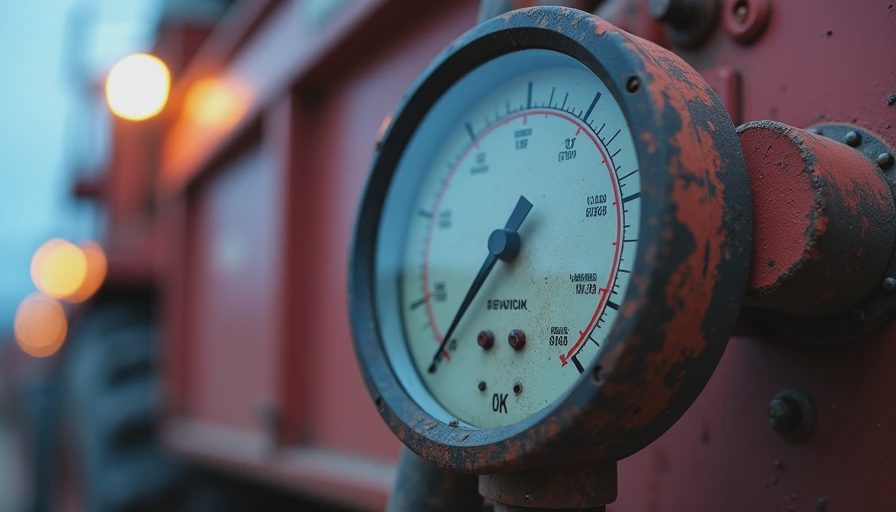
A shop foreman cannot improve reliability with incomplete work orders. Record the machine number, hours, operating conditions, symptom, diagnostic readings, parts installed, and follow-up inspection. If a technician changes a sensor without confirming the circuit, the same fault may return and waste another shift. Root-cause work should ask what allowed the failure: contamination, overload, poor routing, missed inspection, incorrect torque, operator misuse, or a weak repair process.
Use a small set of measures that people can act on. Track repeat failures, unscheduled downtime, planned versus emergency work, overdue inspections, and the time between warning and repair. Do not reward a crew simply for closing work orders quickly. That encourages shallow repairs. Reward accurate diagnosis, safe execution, and repairs that remain effective in service.
The best mining equipment reliability improvement programs also protect training time. Pair newer technicians with experienced hands during major repairs. Review removed parts at the bench. Show operators what a failing hub, loose connection, cavitating pump, or damaged track roller looks and sounds like. A lesson delivered beside the machine sticks longer than a slide deck in a meeting room.
A field-ready reliability checklist
Start each week by reviewing the previous week’s defects and repeat failures. Select the three risks most likely to stop production or injure someone. Assign an owner and a due date. During the week, verify that inspections were completed at the workface, not merely checked off in a system. At the weekly planning meeting, compare machine hours with upcoming service intervals and confirm that parts, tooling, lifting equipment, and qualified labor are available.
When a serious failure occurs, preserve the evidence. Save oil samples, photograph damaged parts before cleaning, record temperatures and pressures, and interview the operator while the event is fresh. Do not throw a failed bearing into the scrap bin and then wonder why the same bearing keeps failing. A five-minute investigation can expose misalignment, lubrication error, overload, or contamination that a new part alone will never correct.
Mining equipment reliability improvement is not a software purchase or a slogan on a safety board. It is disciplined observation, clean work, planned repairs, honest reporting, and the courage to park equipment when control or structural integrity is in doubt. Production matters, but a damaged machine and an injured worker cost more than one missed shift. Start with the next inspection, listen closely, and fix the small warning before it becomes the story everyone remembers.
As I used to tell crews before a long rebuild, the machine will tell you what it needs if you pay attention. Your job is to make sure somebody is listening.