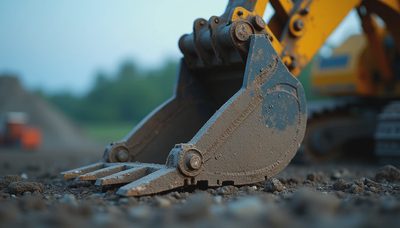
At a copper operation outside Antofagasta, I watched a haul truck come into the shop with a final drive that sounded like a bucket of rocks. The truck had been reporting rising temperature and vibration for nearly two weeks. Nobody acted because production was busy and the warning had not yet stopped the machine. The repair eventually required a final drive, planetary gears, bearings, and several days of lost production. Mining equipment predictive maintenance would not have made that failure impossible, but it would have made the timing visible while the repair was still manageable. I've seen this go wrong. Here's how you avoid it.
What Predictive Maintenance Actually Means
Mining equipment predictive maintenance is not simply putting a sensor on every machine and waiting for software to issue a repair order. It is the disciplined use of machine data, oil analysis, inspections, and operator observations to identify a changing condition before it becomes a breakdown.
That distinction matters. Preventive maintenance replaces a component at a scheduled interval, whether it is healthy or worn. Predictive maintenance looks at evidence. A hydraulic pump might run well beyond its planned service interval, while another pump begins shedding metal after only a few thousand hours because of contamination or cavitation.
The useful evidence usually comes from several sources. Temperature trends can reveal a blocked cooler, low oil level, or overloaded bearing. Vibration can expose gear damage and looseness. Oil samples can show silicon, iron, copper, fuel dilution, or coolant contamination. Payload history, cycle time, engine load, and fault codes add operating context.
No single reading tells the whole story. A hot final drive on a steep haul road may be normal for that route. A final drive that is five degrees hotter than its own normal pattern, especially with rising iron in the oil, deserves immediate attention.

Start With the Failures That Hurt Most
Do not begin by monitoring everything. Start with the components that create the largest safety, repair, or production consequences. On a large haul truck, that commonly includes the engine, transmission, wheel motors or final drives, hydraulic pumps, brake systems, and structural areas exposed to cracking.
Build a simple failure list from your own site history. Look at work orders from the last two years and sort them by repair cost, downtime, and risk. A failed alternator may create an annoying shift interruption. A failed steering cylinder, brake component, or wheel-end assembly can create a serious exposure for people nearby. Those systems deserve different urgency.
For each target component, record its normal operating range. Capture temperatures at similar ambient conditions, oil sample results at consistent hour intervals, vibration readings from repeatable sensor locations, and the machine hours when observations were made. Without a baseline, an alert is just a number wearing a hard hat.
Field Lesson: On a fleet of 793 trucks, we found that operators could hear a transmission change before the electronic monitor produced a useful fault code. We added that observation to the inspection process instead of dismissing it as subjective. The ear of an experienced operator became another data point, and one transmission was removed before the gear damage spread.
Sensors, Oil Samples, and Human Eyes
Mining equipment predictive maintenance works best when technology supports good field habits rather than replacing them. Telematics can collect engine load, coolant temperature, fuel rate, fault codes, and idle time. Permanently installed vibration and temperature sensors are valuable on high-cost rotating equipment. Handheld ultrasound or vibration tools can help technicians investigate a suspected bearing or hydraulic problem.
Oil analysis remains one of the most practical tools in the shop. Take samples from the correct port, use clean bottles, label them accurately, and collect them at repeatable intervals. A sample taken immediately after a component rebuild may look different from one taken during steady operation. Compare the trend, not just the red or green status on a laboratory report.
Visual inspection still catches plenty. Look for a damp hose, a fresh dust track around a loose fastener, cracked weld paint, unusual tire wear, metal on a magnetic drain plug, or a cooler packed with fines. On excavators and loaders, inspect hose abrasion and cylinder rod damage before a small leak becomes a high-pressure injection hazard.
Safety Alert: Never use your hand to search for a hydraulic leak. High-pressure oil can enter skin with little visible damage and become a medical emergency. Shut down, isolate stored energy, and use cardboard or a proper leak-detection method. Lockout procedures are not optional because a predictive alarm says a component is failing.

Turn an Alert Into a Repair Decision
An alert is only useful when the crew knows what happens next. Set three levels: monitor, inspect, and stop. A small temperature change with no other symptoms may call for a repeat reading at the next shift. A rapid temperature rise combined with vibration or contaminated oil should trigger a planned inspection. A brake, steering, structural, or severe overheating warning can require the machine to stop immediately.
Write the response into the maintenance management system. Include the reading, location, machine hours, operating conditions, and photographs. Assign an owner and a deadline. “Check later” is how important findings disappear during a busy shift.
A good decision process also considers parts availability. If a wheel motor is trending badly and the correct replacement is in the warehouse, schedule the repair before the next major production push. If the part must come from another country, order it while the machine continues under controlled monitoring. That is where mining equipment predictive maintenance pays for itself: it turns an emergency purchase and weekend callout into a planned job.
Do not use a dashboard to overrule a dangerous physical symptom. A machine that is leaking oil, steering poorly, braking inconsistently, or making a violent mechanical noise comes out of service until a qualified technician proves it safe.
Common Program Mistakes
The first mistake is installing sensors without assigning responsibility. Data that nobody reviews is expensive decoration. Name the person or team who checks exceptions every shift and define how quickly each alert is handled.
The second mistake is chasing false alarms. Poor sensor mounting, inconsistent sampling, changing ambient temperatures, and bad labels can produce noisy information. Confirm the measurement with a second method before making a major repair decision, unless safety requires an immediate shutdown.
The third mistake is ignoring maintenance history. A new vibration reading after a bearing replacement could indicate incorrect installation, poor alignment, or a loose mount. The technician needs the repair record, not just a red icon on a tablet.
Another common failure is measuring only the newest machines. Older dozers, loaders, and haul trucks often have the highest breakdown exposure, and simple inspections can provide strong value. Mining equipment predictive maintenance should cover the equipment that affects the operation, not merely the equipment with the newest telematics package.
A Practical 30-Day Starting Plan
During the first week, choose five critical machines and list their most expensive recurring failures. During the second, establish baseline readings for temperatures, pressures, oil condition, fault codes, and operator comments. During the third, train the crew on consistent inspections and create monitor, inspect, and stop thresholds. During the fourth, review every alert in a short meeting and record what action followed.
Use a basic spreadsheet if the site does not have a full analytics platform. Record machine identification, component, hour meter, reading, location, weather, load, technician, and action. A clean spreadsheet beats a sophisticated system filled with inconsistent entries.
Review results after 90 days. Count emergency failures, planned removals, repeat repairs, downtime hours, and parts freight costs. The goal is not a beautiful dashboard. The goal is fewer surprises, safer work, and repairs performed before secondary damage spreads.
I have spent two weeks on sites where one overlooked bearing turned into a complete drivetrain rebuild. Mining equipment predictive maintenance is not magic and it is not a substitute for competent technicians. It is a way to see the failure developing while there is still time to make a good decision. Start with the components that can hurt people and shut down production, use field evidence, and act on the trend before the machine makes the decision for you.