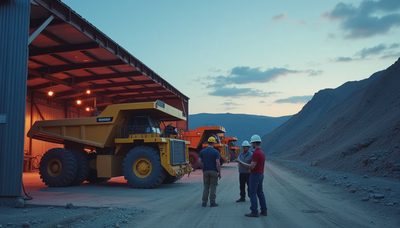
At a copper mine outside Calama, Chile, I watched a haul truck sit dead for nearly three shifts because a small warning sign had been ignored. The transmission oil was running hot, the shift logs mentioned delayed gear changes, and nobody wanted to pull a production truck out of the circuit. When the transmission finally failed, the repair involved a service truck, a replacement power train, and a long wait for parts. That is the hard lesson behind mining equipment downtime reduction: the cheapest repair is usually the one made before the machine stops.
I spent 30 years with Caterpillar field service, working on haul trucks, electric rope shovels, dozers, loaders, and drills across six continents. I have seen machines fail from dust, heat, poor lubrication, tired wiring, contaminated oil, and rushed inspections. I've seen this go wrong. Here's how you avoid it.
Find the Real Causes of Lost Production
Downtime is not only the time a machine spends in the shop. It includes waiting for a mechanic, locating a component, moving the machine to a safe work area, cleaning access points, troubleshooting, and waiting for authorization. A broken alternator may take two hours to replace, but the total production loss can stretch across a full shift.
Start by separating planned downtime from unplanned downtime. Planned service can be scheduled around shift changes, blasting windows, fuel stops, or lower production periods. Unplanned failure gets measured by machine, component, location, operating crew, and failure mode. A simple spreadsheet with date, hour meter, symptom, action, parts used, and return-to-service time will reveal patterns that memory hides.
For example, three hydraulic hose failures on the same excavator boom are not three unrelated events. They may point to poor routing, a damaged clamp, excessive vibration, or a hose specification that does not suit the application. Mining equipment downtime reduction begins when the site stops treating every breakdown as a surprise.
Field Lesson: On a western U.S. quarry job, a loader repeatedly lost steering response after long, hot shifts. The pump was replaced twice. The actual problem was a restricted case drain caused by a crushed line. The replacement pumps never had a chance because the original fault remained in the system.

Build Maintenance Around Failure Warnings
A maintenance calendar matters, but the hour meter alone is not enough. Two machines with the same hours can have completely different lives. One may load blasted rock in dry conditions; another may work in mud, steep grades, or extreme heat. Maintenance intervals should reflect duty cycle, payload, environment, and operator reports.
Daily inspections should focus on changes, not paperwork. A technician or operator should look for fresh leaks, loose fasteners, cracked welds, unusual tire wear, damaged guards, low coolant, hot spots, and new sounds. A walkaround that takes 15 minutes can expose a loose final-drive plug before it becomes a major gear and bearing failure.
Oil sampling is another practical tool. Samples from engines, transmissions, hydraulic systems, and final drives can identify wear metals, coolant, fuel dilution, dirt, or water before a component fails. The sample is only useful when taken correctly. Use a clean bottle, draw from the proper sampling point, record the component hours, and compare results with previous samples. A single result deserves attention; a worsening trend demands action.
For larger operations, condition monitoring can include tire pressure sensors, payload data, temperature alarms, vibration readings, and telematics from systems such as Cat MineStar or Komatsu fleet-management platforms. Technology does not replace a good technician. It helps that technician decide which machine deserves the next inspection.
Safety Alert: Never inspect a running machine from an unsafe position, and never reach near rotating components, belts, fans, or exposed hydraulic fittings. Lower attachments, apply the parking brake, isolate energy sources, and follow the site lockout procedure before working. Hydraulic pressure can remain trapped after the engine stops.
Make the First Repair the Right Repair
Fast repairs are valuable only when they solve the failure. I have watched crews change a starter three times because nobody checked the battery cables and ground straps. I have seen new hydraulic pumps installed into systems full of metal debris. I have seen final drives rebuilt without correcting a leaking breather, sending the same failure back into service.
Use a disciplined troubleshooting sequence. Confirm the complaint. Check the simplest causes first. Read fault codes, but do not treat a code as a diagnosis. Test voltage under load, measure pressure at the correct ports, inspect connectors, and compare readings with the manufacturer’s service information. When a component fails, inspect the surrounding system before installing its replacement.
Parts strategy also affects mining equipment downtime reduction. Critical machines need a defined list of site spares, including sensors, hoses, filters, belts, relays, seals, and common electrical connectors. High-value components such as transmissions, hydraulic pumps, and alternators require a different decision. Stocking every major component ties up money, but stocking none can leave a production fleet waiting for freight.
Keep parts clean and traceable. Store seals away from heat and sunlight, cap hydraulic components, rotate rubber products by age, and label rebuilt assemblies with inspection dates. A dusty shelf is not a parts department; it is a future failure.

Train Operators to Report Symptoms Early
Operators are often the first people to notice a change. They know when a truck shifts differently, when a shovel crowding cycle feels slow, or when a loader develops a hydraulic whine. A reporting system should make those observations useful rather than dismissing them as vague complaints.
Teach operators to describe what changed, when it happens, and under what load. “Hydraulics weak” is a starting point. “Boom slows after the third cycle when oil is hot, but works normally at startup” gives a technician a test condition. “Transmission slips from third to fourth on the downhill haul” is more valuable than “truck feels bad.”
Do not punish honest reporting by making operators feel responsible for every repair. If reporting a small issue leads to blame, people will wait until the machine fails. Recognize useful reports and close the loop by explaining what was found. That turns the operator into part of the maintenance system.
A short daily production meeting can review repeat defects, machines approaching service, overdue inspections, parts delays, and safety concerns. Keep it focused. Ten minutes with the right information beats an hour of general discussion.
Measure Improvement Without Fooling Yourself
Track more than total downtime hours. Useful measures include mean time between failures, mean time to repair, repeat repairs within 30 days, planned-versus-unplanned maintenance, parts waiting time, and the percentage of work orders closed with a confirmed failure cause. These figures show whether the shop is preventing problems or merely working faster after breakdowns.
Suppose a haul truck has four failures in a month. Two are resolved in under an hour, while two require major repairs and parts freight. Cutting the quick repairs by 20 minutes will not matter as much as preventing one major engine or transmission event. Rank work by production impact, safety exposure, and repeat frequency.
For mining equipment downtime reduction, the most useful improvement may be simple: correcting a grease-route problem, protecting a wiring harness, changing a hose clamp, or giving a technician better access to service information. I have seen a properly mounted guard save more downtime than an expensive monitoring system because it stopped repeated damage.
A Practical 30-Day Action Plan
In the first week, identify the five machines causing the most unplanned downtime. Review work orders and interview operators, technicians, and supervisors. In the second week, inspect repeat-failure components and verify that service intervals match the working conditions. In the third week, correct one root cause on each priority machine, then document the repair with photographs, readings, and parts information. In the fourth week, review the results and update the inspection checklist.
Do not attempt a major repair beyond the crew’s tooling, training, or safe lifting capacity. A cracked frame, high-voltage fault, failed pressure vessel, or contaminated hydraulic system can hurt someone and destroy a component if handled casually. Stop the machine, secure it properly, and call a qualified shop or field service representative when the risk exceeds the site’s capability.
Good mining equipment downtime reduction is not one gadget, one software package, or one heroic mechanic working through the night. It is consistent inspection, accurate reporting, sound troubleshooting, clean repairs, and a crew willing to act on small warnings. That is how you keep iron moving and people safe.