Back in Western Australia, I watched a loaded haul truck roll into the bay with one front tire looking just a touch soft. Nothing dramatic, nothing that would stop a rushed supervisor from sending it back out. Two hours later that casing was ruined, the shoulder was hot enough to sting through a glove, and the crew had lost half a shift waiting on a replacement. That is the part people forget about truck tire air pressure: it is not just about a number on a gauge. It is about heat, load, wear, and whether the truck comes back tonight with the same rubber it left with this morning. I've seen this go wrong. Here's how you avoid it.
The first mistake is treating truck tire air pressure like a maintenance sticker you glance at once a month. Tires do not care about your schedule. They care about axle weight, speed, ambient temperature, and whether the load is centered. A tire that looks fine on a cool morning can run too hot by noon if the truck is overloaded or the driver keeps hammering potholes and washboard. On mining and construction rigs, I have seen a few pounds low turn into sidewall flex, then heat, then a casing that is done for. On service trucks and pickups, the damage shows up differently, but the lesson is the same: pressure is cheaper than rubber.
Field Lesson: if you only check one tire after a complaint, you are probably missing the real issue. Low pressure on one corner often means the crew has the wrong habit, the wrong gauge, or a slow leak that nobody has been chasing.
Why pressure matters more than people think
Truck tire air pressure controls how the tread meets the road or haul road. Too little pressure lets the sidewall work harder than it should, which builds heat and chews the shoulders. Too much pressure crowns the tread, reduces the contact patch, and can make the center wear faster. I have seen both patterns on everything from highway tractors to quarry support trucks. The expensive part is not just the tire. It is the downtime, the tow, the rim inspection, and the chance that a bad tire shakes up the whole shift plan.
The other thing pressure changes is fuel use. A tire that drags from underinflation wastes energy every mile. The driver feels it as a truck that seems heavy and vague. The shop sees it later as missing tread and a tread cap that starts separating long before its time. That is why truck tire air pressure should be checked against the actual load, not a guess based on what the tire looked like yesterday. If the truck carries a service body, a tool load, or a bed full of parts, the rear axle can be working much harder than the sticker suggests.

How I check it in the field
I always start with a cold check, before the truck has moved far enough to warm the tires. Heat raises pressure, and a hot reading can fool you into thinking everything is fine. Use a gauge you trust. I like a sturdy dial gauge or a calibrated digital unit, not the bargain tool that has lived under a seat for five years. If the fleet uses an inflation system, even better, but it still needs a person who knows what the target number should be.
For truck tire air pressure, I want the spec from the tire maker or the vehicle placard, then I compare it to how the truck is actually used. Michelin, Bridgestone, Goodyear, and the rest publish load and inflation tables for a reason. A tire carrying a light tool load on a highway truck does not need the same pressure as a heavily loaded dump body crawling a gravel pit. Safety Alert: never stand in the line of a bead or lean over a tire that may be damaged. If a tire has a cut, bulge, or history of being run flat, stop and inspect it properly before you pump it up again.
Different trucks need different targets
A one-ton service truck on LT tires is not the same animal as a medium-duty dump truck or a road tractor pulling a tag trailer. On a service truck, truck tire air pressure may sit in the 60 to 80 psi range, depending on the load range and axle weight. On heavier commercial rigs, the numbers climb, and they need to be matched to the exact tire and load chart, not copied from the door sticker on a different truck in the fleet. That is where I see shop mistakes. Somebody remembers a number from another unit, writes it on the whiteboard, and suddenly three trucks are overinflated by habit.
The fix is simple enough. Match the tire size, load range, and axle weight to the target pressure. If the truck changes duty cycle, revisit the number. A water truck in summer, a parts truck in winter, and a dump truck on a short haul route will all want different attention. Truck tire air pressure is not a set-it-and-forget-it item when the work changes week to week.
Build a routine the crew will actually use
A good routine beats a heroic one. I like a walkaround at the start of shift, a pressure check on any truck that looked soft, and a weekly recorded check for the whole fleet. Put the gauge in the same place every time. Put the target pressures where the driver can see them. If a tire drops more than the others, hunt for the reason instead of just adding air and sending the truck out. Valve cores leak. Rim flanges get damaged. Nails and screws happen. So do slow sidewall cuts from bad road debris.
The strongest habit is to write down what you found. That does not have to be fancy. A clipboard, a tablet, or a maintenance app all work if somebody actually uses them. Over a month, the records will show which truck is losing pressure, which shift misses checks, and which route is chewing up rubber. That is where money leaks out, one tire at a time.
When to stop and call the tire shop
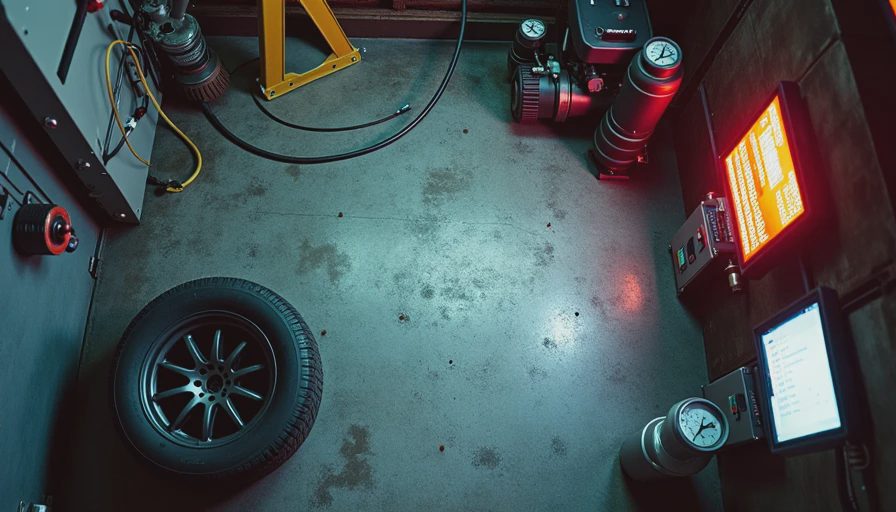
If you see a bulge, a deep cut, exposed cords, repeated air loss, or a tire that has been run visibly underinflated, do not treat it like a quick top-off job. Pull it from service and let a real tire shop inspect it. The same goes for bead damage, a damaged rim, or a valve stem that will not hold steady pressure. A patch of missing tread on one side can tell you the tire has been overloaded, misinflated, or both.
I have seen operators try to rescue a bad tire with a compressor and optimism. That never ends well. A tire can fail hard and without much warning once the casing has been cooked. If the truck is earning money, do not gamble with a tire that has already shown you it is unhappy.
Truck tire air pressure is one of those boring maintenance items that pays out every day. Get it right, and you get cooler running, better wear, fewer roadside headaches, and a crew that spends more time moving material than waiting on rubber. Spend two weeks on a rough site and you will see the same pattern I saw for thirty years: the trucks that last are the ones that get checked before the trouble starts.