I first learned how ugly hydraulic pump cavitation causes could become on an Australian iron-ore site. A large excavator came into the bay sounding like it had gravel in the pump housing. The operator had reported weak swing and a high-pitched whine for three shifts. By the time we opened the unit, the rotating group was damaged, the case drain was full of metal, and the repair bill had climbed well past the cost of a proper inspection. Hydraulic pump cavitation causes are not harmless noise. They are a warning that the pump is being starved or forced to work with vapor bubbles collapsing inside it.
I have seen this go wrong. Here is how you avoid it: find the restriction, correct the oil supply, and do not keep running the machine while hoping the sound disappears.
What Cavitation Does Inside a Pump
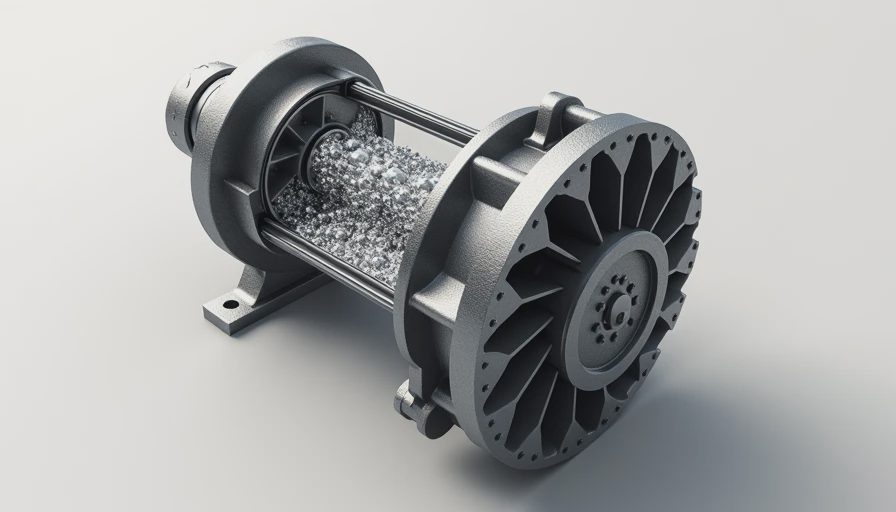
A hydraulic pump needs a steady supply of clean oil at the inlet. When inlet pressure falls too low, the oil can partially vaporize and form bubbles. Those bubbles travel into areas of higher pressure, where they collapse violently against metal surfaces. The result is pitting on gears, pistons, valve plates, and other precision components.
The sound is often described as marbles, gravel, popcorn, or a rattling growl. It can become louder when the engine speed rises or when the hydraulic function is loaded. Performance may fade gradually, which fools operators into thinking the pump is simply worn out. In reality, the original hydraulic pump cavitation causes may be an inexpensive suction hose, a dirty strainer, the wrong oil viscosity, or a tank that is not properly vented.
Cavitation is different from aeration. Aeration means air is entering the system, often through a loose suction connection or damaged seal. Both conditions can create foamy oil and noisy operation, but the inspection path is not identical. A machine can suffer from both at once, especially after a hose replacement done in a dusty field.
The Main Hydraulic Pump Cavitation Causes I Check First
My first inspection starts at the reservoir and works toward the pump. Do not begin by condemning a $10,000 pump.
A blocked suction strainer or inlet filter is a common culprit. Sludge, seal fragments, paint flakes, and cold thick oil can restrict flow. Some systems use a suction screen rather than a replaceable filter, and that screen can remain forgotten for years.
Next, inspect the suction hose. A hose can look perfect from the outside while its inner liner has collapsed. Soft hose may flatten under suction, especially when the oil is cold. Check for sharp bends, undersized replacements, loose clamps, and cracked fittings. A small leak on the inlet side may draw air without leaving an obvious oil trail.
A plugged tank breather can also create trouble. As oil leaves the reservoir, air must enter to replace its volume. If the breather is packed with dust, the tank develops vacuum, reducing pressure at the pump inlet. I have found this on loaders working in dry quarry conditions and on excavators after a careless pressure-washing job.
Oil viscosity matters. Hydraulic oil that is too thick at startup cannot reach the pump quickly enough. Oil that is too thin at operating temperature may increase internal leakage and reduce performance, though that is usually a separate problem from classic inlet starvation. Always use the machine manufacturer’s specified grade and temperature range.
Field Symptoms That Point to Inlet Starvation
The strongest clue is a noise that changes with engine speed. A healthy pump can produce a noticeable hum, but a cavitating pump often has an irregular growl or sharp whine. Move the control slowly and listen. If the sound becomes harsher when the boom, bucket, travel motor, or auxiliary circuit is used, record exactly when it occurs.
Other warning signs include sluggish cycle times, hydraulic oil heating faster than normal, foamy oil in the tank, vibration in the suction line, and pressure that fluctuates instead of holding steady. A pressure gauge at the main outlet can show a symptom, but it will not prove the cause. A pump may produce acceptable standby pressure while still suffering inlet restriction during high flow demand.
Check the reservoir level with the machine parked according to the service instructions. Low oil can uncover the pickup during frame movement or operation on a slope. Overfilling is not a cure; it can create foaming and thermal problems. Look for oil color and odor, but remember that clean-looking oil can still have the wrong viscosity or contain fine abrasive contamination.
Safety Alert
Never loosen a hydraulic fitting on a running machine to “see if it is sucking.” High-pressure oil can penetrate skin and cause a medical emergency even through a tiny puncture. Lower attachments, shut down the engine, relieve stored pressure according to the service procedure, block raised equipment, and keep hands away from suspected leaks. If you do not have the correct test equipment, stop and call a qualified hydraulic technician.
A Practical Troubleshooting Sequence
Start by documenting the failure. Write down machine hours, oil temperature, engine speed, affected functions, recent repairs, and whether the noise appears only when cold. That history often separates a maintenance mistake from a worn component.
Then verify oil level and the correct fluid. Inspect the tank breather, suction hose, clamps, inlet fittings, and any suction-side shutoff valve. Confirm that a valve is fully open; a partly closed service valve can starve a pump quickly. Remove and inspect the suction screen or inlet filter using the manufacturer’s cleanliness procedure.
If the external checks pass, measure inlet vacuum with the proper gauge at the pump inlet or designated test port. Compare the reading with the service manual rather than relying on a generic internet number. Excessive vacuum confirms a supply problem. If inlet conditions are acceptable but the pump remains noisy, test case drain flow, outlet pressure, compensator operation, and control signals.
Do not keep increasing relief pressure to compensate for weak hydraulics. That adds heat and load while leaving the inlet problem untouched. On a production excavator, fifteen minutes of disciplined testing can save a complete pump and flushing job.
Repair Choices and the Cost of Waiting
If the issue is a dirty breather, restricted screen, damaged hose, or loose clamp, repair it and clean the surrounding system before returning the machine to work. Use the correct hose construction for suction service. A standard pressure hose is not automatically suitable for vacuum conditions.
If cavitation has pitted the rotating group, replacing only one visibly damaged part is risky. Metal can circulate through the pump, valve block, cooler, and motors. A proper repair may require pump replacement or rebuild, tank cleaning, filter changes, oil analysis, and flushing. On construction equipment, that can mean several thousand dollars. On a large mining machine, downtime and component costs can push the total far higher.
Oil sampling is useful after the repair. A laboratory can identify abnormal wear metals and contamination that your eyes cannot see. Cut open the removed filter where permitted by the maintenance program, and save debris for comparison. The goal is not merely to make the noise stop; it is to prove the system is clean and the cause has been removed.
How to Prevent a Repeat Failure
Build inlet checks into every service interval. Inspect suction hoses for softness, collapse, rubbing, and age. Replace damaged clamps instead of tightening them until the fitting distorts. Clean tank breathers and screens on schedule, especially on machines working in dust, mud, or extreme temperatures.
Train operators to report new hydraulic noise immediately. A short note saying “pump sounds like gravel when boom is raised” is more valuable than “hydraulics bad.” Keep the reservoir at the specified level, use the approved oil, and allow cold machines to warm without immediately demanding full-flow functions.
Field Lesson: On one loader fleet, we reduced repeat pump failures by making the breather and suction hose part of the morning walkaround. The inspection took less than five minutes. It caught crushed hoses, loose clamps, and plugged breathers before they became rebuilds.
The lesson behind hydraulic pump cavitation causes is simple: the pump is often the victim, not the original offender. Find what restricts oil flow, stop unsafe testing, and repair the supply side before ordering expensive iron. Spent two weeks on that site. Here is what I learned: a strange hydraulic noise is cheap information when you act on it early, and an ignored noise becomes a very expensive lesson.