I'll never forget the summer of 2018 on a copper mine in Chile. A Terex wheel loader had just dropped its bucket hydraulic line—spraying oil all over the operator's cab floor. The operator was lucky he wasn't hurt, but the machine sat for three days waiting for parts. That Terex wheel loader was a solid machine, but it had a common failure point that could have been caught during a routine walk-around.
After thirty years in Caterpillar field service, I've worked on every brand of loader you can name—Komatsu, Volvo, Hitachi, and plenty of Terex machines. The Terex wheel loader, specifically the TL series, has a reputation for being a workhorse in medium-size construction and mining applications. But like any piece of iron, it has its quirks. Here's what I've learned from the field, so you don't learn it the hard way.
What Makes the Terex Wheel Loader Tick
The Terex wheel loader line generally uses Cummins or Deutz engines, depending on the model and year. The TL-240, for example, runs a Cummins QSB6.7 that's pretty reliable if you keep the fuel system clean. The hydraulics are a closed-center load-sensing system—efficient when it's working, but a nightmare when contamination gets in. I've seen more Terex wheel loaders sidelined by dirty hydraulic oil than by engine failure. Field Lesson: Test your oil at every change interval. Don't just change the filters and hope.
Common Failure Points I've Seen in the Field
Over the years, I've noticed three repeat issues on the Terex wheel loader.
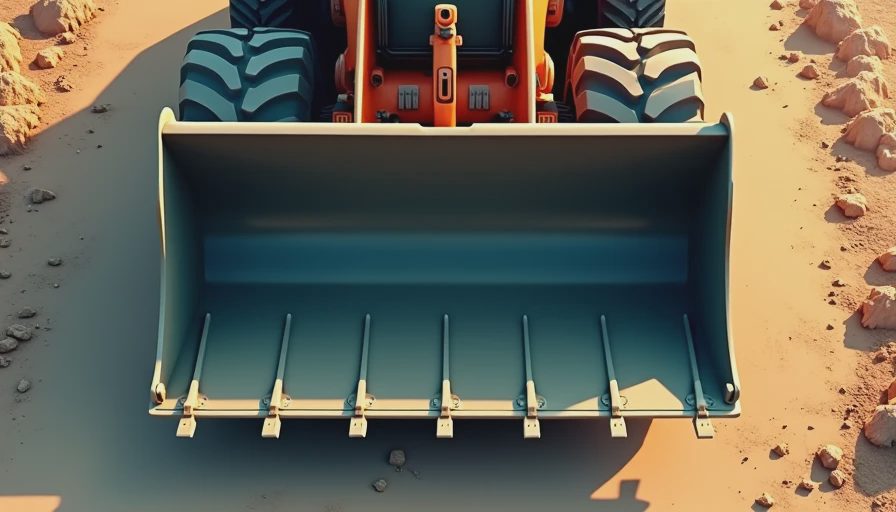
Bucket cylinder rod seals. The rod wiper seals on the bucket cylinders tend to wear faster than on other brands. In dusty environments, dirt packs around the rod and scores the surface. Once the chrome is gone, the seal leaks. I've seen a Terex wheel loader lose a full bucket of material because the cylinder drifted down during loading. Replace those wiper seals every 1,500 hours or earlier if you see dust accumulation.
Articulation joint wear. The center pivot bearing on some Terex wheel loaders can develop slop if you don't grease it religiously. On a site in West Africa, I watched a Terex wheel loader develop so much play in the joint that the operator couldn't keep the bucket level. Grease daily—every single day. That's non-negotiable.
Electrical gremlins. The wiring harness routing near the engine on older models can chafe against brackets. I've traced intermittent no-start conditions to a rubbed-through wire on the ECM harness. Wrap those wires with loom where they cross any metal edge.
Maintenance Schedule That Actually Works
Let's be honest: the factory maintenance manual for the Terex wheel loader is a good starting point, but it doesn't account for real-world conditions. Here's a modified schedule I've used on several mine sites.
Daily (10 hours): Grease all articulation pins, check engine oil level from the dipstick—don't trust the electronic gauge—and inspect hydraulic hoses for chafing. Safety Alert: A burst hose near the turbo can spray oil onto a hot manifold and cause a fire. Walk around the machine before starting it.
Weekly (50 hours): Sample the hydraulic oil. It's cheap insurance. Also clean the radiator and oil cooler cores with compressed air. Terex wheel loaders tend to run hot in fine dust conditions.
Monthly (250 hours): Change engine oil and filter. Use a quality 15W-40 CJ-4 oil. Don't skimp on filters—use OEM or equivalent.
Yearly (2,000 hours): Overhaul the bucket cylinders. Replace all seals and repack the bearings. Also check the transmission charge pressure; if it's below spec, rebuild the charge pump.
Safety Alert: The One Thing Operators Forget
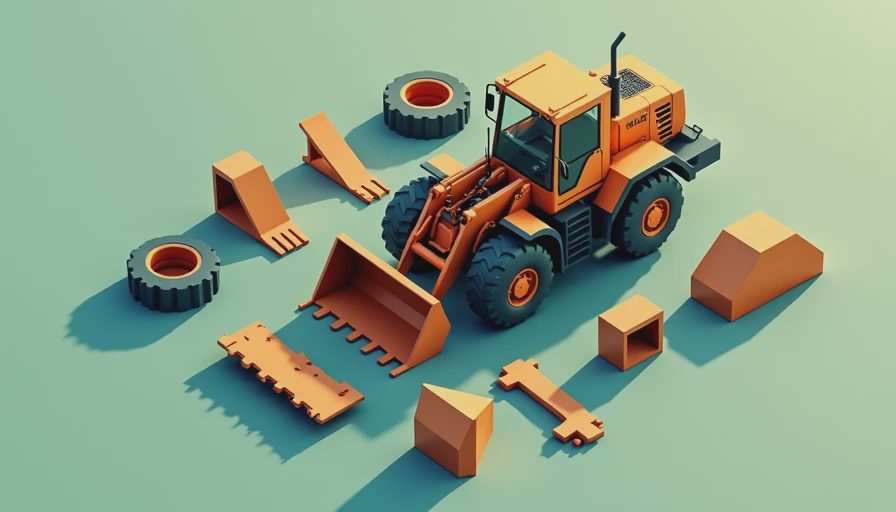
On a Terex wheel loader, the parking brake is spring-applied and hydraulic-released. If the machine stalls or loses hydraulic pressure, the brake engages automatically—that's good. But I've seen operators try to tow-start a dead Terex wheel loader without releasing the brake manually. That shears the brake shafts. Read the manual on how to manually release the parking brake. And never crawl under a machine with just the parking brake holding it.
Operator Habits That Keep Your Machine Running Strong
Beyond maintenance, how you operate the loader has a direct impact on component life. Here are three habits I've seen separate the high-hour machines from the ones that fail early.
Don't crowd the pile. When loading a truck, operators often slam the bucket into the pile at full throttle. That transmits shock loads through the entire drivetrain and articulation joint. Instead, approach the pile at a controlled speed, let the loader's hydraulics do the work, and roll the bucket back as you begin to lift. Smoothness cuts wear on the pins and cylinder seals by a large margin.
Avoid excessive tire spin. Spinning the tires not only shreds rubber but also hammers the differential and final drives. If you're stuck, back up and try a different angle rather than flooring it. This habit alone added a full season to the tire life on one of the mines I worked on.
Use the bucket float function properly. Many Terex wheel loaders have a float position on the bucket control. Use it when backdragging or grading, but never when traveling loaded. Running with the bucket in float over rough ground can crack the lift arm supports. I've seen that repair cost north of $8,000.
These operation tips might seem basic, but they're the ones I've seen ignored most often. Adopt them and your loader's major components will last thousands of hours longer.
Final Field Lesson
The Terex wheel loader is a capable machine when you stay ahead of its weaknesses. Seal failures, pivot wear, and electrical chafing are the top three things to watch. I've seen these exact issues shut down operations for days. Catch them early, and that Terex wheel loader will run 10,000 hours with no major drama.
If you're running a Terex wheel loader, take a few minutes today to check those wiper seals and grease that pivot joint. Future you—and your wallet—will thank you.