In a copper pit outside Tucson, I watched a crew try to bully fractured basalt with a machine that was doing exactly what it was built to do and still getting blamed for the rock. The cut started clean, then the operator pushed harder, the wheel loaded up, the teeth got hot, and the spoil piled back into the trench. By lunch, the hydraulic oil was running warmer than I liked and the crew had lost half a shift. That was my first hard lesson with a rock wheel trencher: rock does not care how fast the schedule is.
I've seen this go wrong. Here's how you avoid it. The machine is a strong tool, but only when the geology, the depth, the speed, and the spoil plan all match. Used right, it can cut narrow utility trenches through hard ground faster and cleaner than a chain trencher or an excavator in the same material. Used wrong, it becomes a lesson in broken picks, cooked bearings, and expensive downtime.
How a rock wheel trencher earns its keep in hard ground
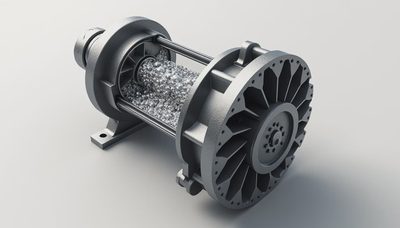
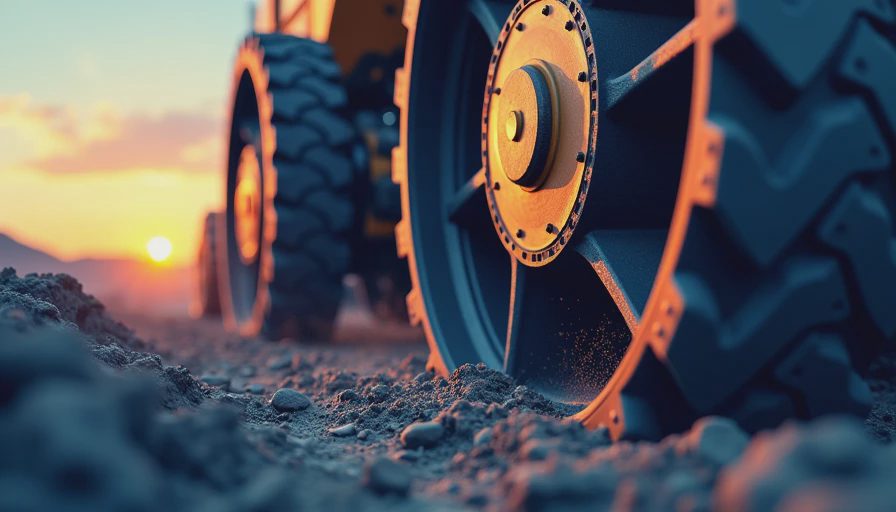
A rock wheel trencher works best when you need a controlled trench width and a steady depth through limestone, shale, weathered sandstone, or fractured rock. The wheel bites with carbide teeth, chips the face, and throws spoil aside in a narrow stream. That matters on utility work, pipeline prep, and mine service trenches where you do not have room to waste or wander. The better the match between tooth style and ground condition, the less the machine fights itself.
A clean cut is not just about speed. It is about keeping the trench profile close to spec so the backfill, bedding, and pipe crew are not cleaning up a mess behind you. On a good day, the operator keeps the wheel moving at a steady feed rate and lets the picks do the work. On a bad day, someone thinks slower is safer, the wheel polishes the face, heat goes up, and the drivetrain pays for the bad choice.
Field Lesson: if the machine sounds strained, you do not fix that by forcing the joystick farther. You fix it by checking tooth wear, boom angle, ground condition, and spoil clearance before you burn up the package.
Choosing a rock wheel trencher for the soil and stone you actually have
Not every hard-looking site needs the same setup. A trench in soft overburden with occasional cobble is a different animal than a limestone ledge or welded tuff. Pick the wrong wheel, and you will waste money on tooth changes, fuel, and idle time. Pick the right one, and the machine earns its keep with fewer passes and less hand cleanup.
Think in practical terms. If the rock is fractured, a standard spacing pattern may be enough. If the face is dense and abrasive, you want stronger picks and a wheel built to shed heat better. If the trench has to stay tight for pipe or cable work, look at the wheel width and the spoil path as seriously as you look at horsepower. More power does not help if the spoil has nowhere to go.
When I spec one for a contractor, I ask three questions first: what is the hardest material in the run, how deep is the cut, and what happens to the spoil after it leaves the wheel? Those three answers tell me more than a brochure ever will.
Setup details that make a rock wheel trencher cut straight
Straight cuts start before the wheel touches the ground. Grade the work area, mark the trench line, and make sure there is room for spoil cast-off on both sides if the site allows it. Check hydraulic flow, coolant level, tooth condition, and gearbox oil before start-up. A trenching crew can lose an hour to a simple fluid or filter issue, and in hard rock that hour can turn into a whole shift once the wheel starts running hot.
The operator also needs a sane feed plan. If the trench is deep, work in stages instead of trying to bury the wheel in one violent push. Keep the machine square to the line. If the cut starts walking, stop and correct it before the trench becomes a snake pit for the next crew. On one job in Nevada, a slight drift at the start turned into a crooked service run that took two extra hours to backfill and rework. Nobody was proud of that finish.
Safety Alert: never clear spoil or inspect the wheel with the system live. Hydraulic pressure and trapped energy do not care how careful you think your hand is. Shut it down, lock it out, and wait for the machine to settle before anyone goes near the wheel.
Maintenance that keeps a rock wheel trencher out of the shop
This is where a lot of crews get lazy, and rock punishes lazy fast. Tooth wear is not a cosmetic issue. A dull or missing pick changes the load path, increases heat, and beats up the hub, bearings, and drive components. A handful of worn teeth can cost more than the full set if you ignore them long enough.
Inspect the wheel every day. Look for cracked holders, loose fasteners, fluid leaks, damaged seals, and chipped picks. Listen for bearing noise and watch for heat after the first long cut. Check gearbox oil on schedule, not when it turns ugly. I have seen a neglected drive cost $15,000 to $30,000 in parts and labor when the only thing that started the mess was a cheap seal and a missed inspection.
Keep spare teeth, bolts, and the right removal tools on the truck. If a crew has to improvise with a torch and a drift pin, the machine is already losing money. A good maintenance habit turns the rock wheel trencher into a repeatable tool instead of a gamble.
When a rock wheel trencher is the wrong tool
There are times when the honest answer is to walk away and call a different spread. Massive boulders, hard unbroken ledge, unstable slopes, or trench routes jammed with buried steel can make the job ugly fast. In those conditions, an excavator with a breaker, a saw-cut process, or controlled blasting may be the better call. It costs more up front, but it can save the schedule and keep the crew out of trouble.
The biggest mistake I see is ego. Somebody sees the machine on site and assumes every rock problem is a trenching problem. It is not. If the cut starts stalling, the spoil stops clearing, or the machine is spending more time in reverse than in production, the setup is wrong. Call the foreman, reassess the ground, and change the plan before you pay for a breakdown.
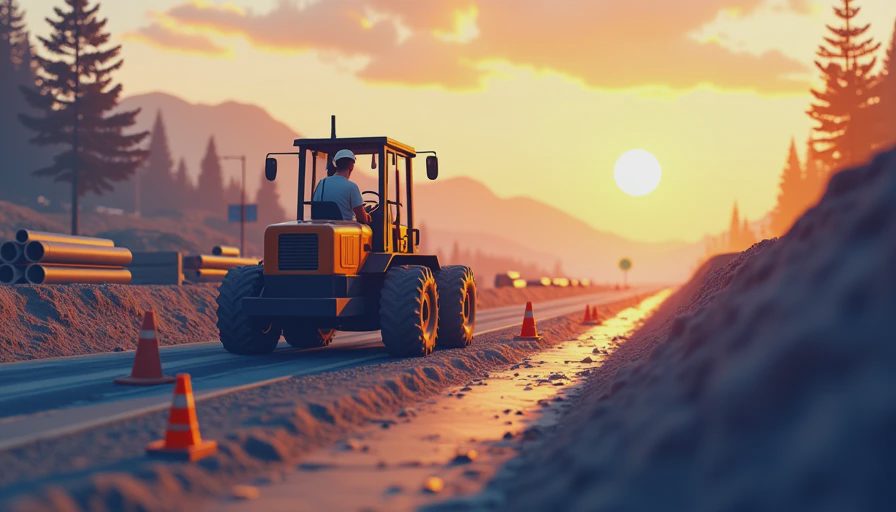
Spent two weeks on that site. Here's what I learned: the best crews respect the ground, respect the machine, and know when to stop. If you are pricing a job or lining up a contractor, ask for hard-rock hours, tooth consumption, and service history before iron hits the ground. That one conversation can tell you whether the rock wheel trencher is the right tool or just the loudest mistake on the project.