I still remember a wet morning at a tree-clearing job outside Grand Junction when an industrial wood chipper kicked a crooked cottonwood limb hard enough to fold the side curtain and rattle the fence line. Nobody got hurt, but it came close. The operator had fed twisted material too fast, the knives were dull, and nobody had checked the infeed table after the night rain. That is the kind of mistake that turns a paid machine into a scrap pile. My rule has stayed the same for years: set up the machine right, feed clean material, and stop the second something sounds wrong.
How an industrial wood chipper gets hurt in the field
Most failures start small. A dull knife makes the rotor work harder, then the belt slips, then the bearings run hotter, and pretty soon the whole unit sounds like a bucket of bolts. I have seen cracked welds around the chute, bent infeed rollers from feeding root balls, and hydraulic lines rubbed raw because somebody let debris pack around the frame. If the machine shakes at idle, do not talk yourself into another hour of work. Shut it down, check the rotor, the belts, the knife pockets, and the anvil setting. That is cheaper than a broken shaft or a fire.
Field Lesson: dirt is the quiet killer. Chips packed with mud, gravel, and wire chew through knives and destroy the edge in a hurry. If the site is full of storm debris, sort the material before it ever reaches the throat. I have also seen crews ignore a bad bearing because production was good that week. Production was not good when the bearing seized and scorched the housing. Spend ten minutes on inspection and you can save ten hours of downtime.
Sizing an industrial wood chipper for brush, logs, and production
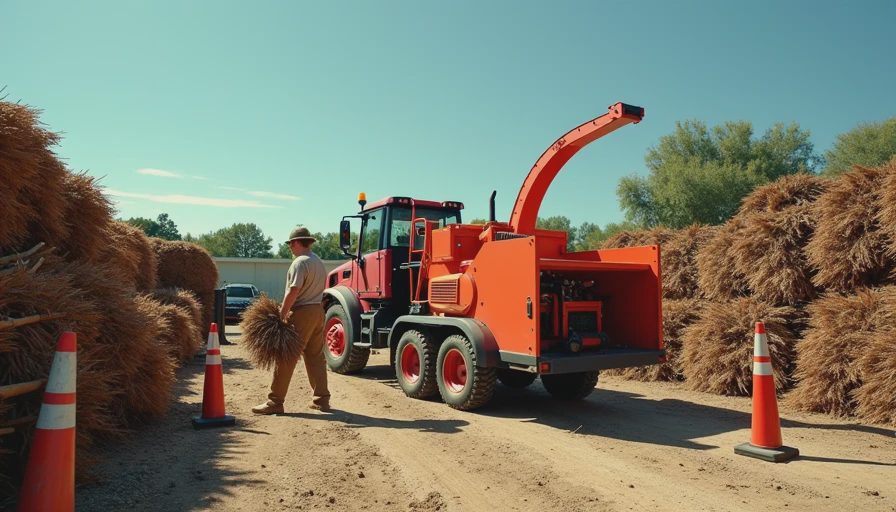
Do not buy by brochure alone. Match the machine to the material you really handle, not the biggest limb you hope to see once a year. A utility contractor trimming roadside brush does not need the same setup as a land-clearing crew feeding whole trunks. Vermeer, Bandit, Morbark, Peterson, and CBI all build serious iron, but the right frame, throat size, and power package depend on feedstock, tow vehicle, and how many tons a day you expect to make. A machine that is too small gets rushed. A machine that is too large gets abused because crews think it will forgive bad habits.
I like to ask one blunt question: what will it eat on the worst day, not the best one? If the answer is tangled oak, frozen maple, or storm cleanup with wire and grit in it, buy a stronger feed system and more throat than the salesman wants to sell you. Used market prices vary, but a clean tow-behind can sit in the tens of thousands, while larger tracked units can climb far higher. That is why the real cost is not the purchase price. It is the cost of downtime when the machine is undersized and labor is standing around waiting.
Safety around an industrial wood chipper starts before the engine starts
Safety Alert: keep everybody out of the work zone before the engine ever fires. One person feeds, one person spots, and nobody crowds the hopper to save time. Loose sleeves, dangling lanyards, and gloves that catch on bark are how people get dragged into trouble. I have seen good operators make bad choices because the machine was running and the crew was behind schedule. That is how people lose fingers, and I do not say that lightly. Use the emergency stop, know where it is, and test it before the shift if the machine has sat overnight or been moved between jobs.
Lockout is not optional when you open guards or crawl into the service side. Bleed stored pressure, secure the rotor, and make sure the ignition key is controlled before anyone sticks a hand near the knives. Hearing protection, eye protection, and a face shield are cheap compared with a trip to urgent care. Also, keep the discharge aimed where chips can land safely. A pile of wet chips on a slope can slide back toward the work area, and a hidden stick can come out of the chute like a spear.
Maintenance that keeps an industrial wood chipper earning
The best maintenance habit is simple: look at it every day and grease it before it complains. Check knife sharpness, anvil gap, belt tension, feed roller condition, and the grease points on the bearings. Clean the radiator, oil cooler, and air intake screens so the engine does not cook itself in summer heat. On hydraulic models, watch for milky oil, burnt smell, and fitting leaks. On engine-driven units, keep up with air filters and fuel filters because dust and bad fuel will cost you far more than the parts do.
If you keep a log, write down hours, knife changes, belt changes, and any vibration that shows up. That little notebook can tell you when a bearing is going south before it makes a mess. A set of knives might cost a few hundred dollars depending on the size and brand, but a seized rotor bearing or damaged housing can turn into a multi-thousand-dollar repair fast. I have seen crews save money by rotating knives on schedule and keeping spare belts on the trailer. That is not fancy work. It is how you keep the paycheck moving.
Buying an industrial wood chipper without buying someone else’s problem
Used equipment can be a smart buy if you inspect it like you are the one who has to pay for the first failure. Look for frame cracks, fresh paint hiding welds, sloppy bearings, scorched belt covers, and oil trails under the rotor housing. Ask for service records, not just a clean story. If the hour meter is low but the machine looks tired, trust the steel, not the sticker. A well-kept tow-behind from a known brand can be a solid asset. A bargain unit with hacked guards and welded patches can swallow your budget before the season starts.
Spent two weeks on that site. Here's what I learned: the cheapest machine is the one that makes chips without drama. If the feed is steady, the knives are sharp, and the guards stay in place, crews work faster and the shop gets fewer late-night calls. If your machine is throwing chips unevenly, surging under load, or leaving you with recurring belt dust and hot bearings, stop and get a real mechanic on it before the next shift. I have seen this go wrong. Here's how you avoid it: buy for the work, maintain for the load, and never let schedule pressure outrun common sense.