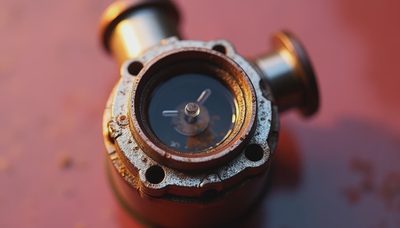
The excavator was loading blasted rock outside Kalgoorlie, Western Australia, when the boom started drifting and the swing slowed to a crawl. The operator kept working it, hoping the problem would clear. It did not. By the time we opened the hydraulic pump, the rotating group was scored, the case was full of brass, and contamination had traveled through the main control valve. That machine sat idle for nine days. The lesson behind hydraulic pump repair vs rebuild is simple: the cheapest decision is often made before the pump comes off the machine.
I spent 30 years around Caterpillar, Komatsu, Hitachi, and other heavy iron. I have seen pumps saved with a seal kit and pumps that needed every internal component replaced. I have also seen a sound pump ruined by dirty assembly practices. Here is how to separate a sensible repair from a proper rebuild, and when to stop troubleshooting in the field.
What hydraulic pump repair vs rebuild actually means
A repair addresses a specific, confirmed failure. That might mean replacing a shaft seal, changing a pressure compensator, repairing a regulator, installing new bearings, or correcting a damaged case drain connection. The technician inspects the pump, identifies the failed part, and replaces what is necessary. A repair can be the right answer when the rotating group, housing, shaft, and valve plate remain within service limits.
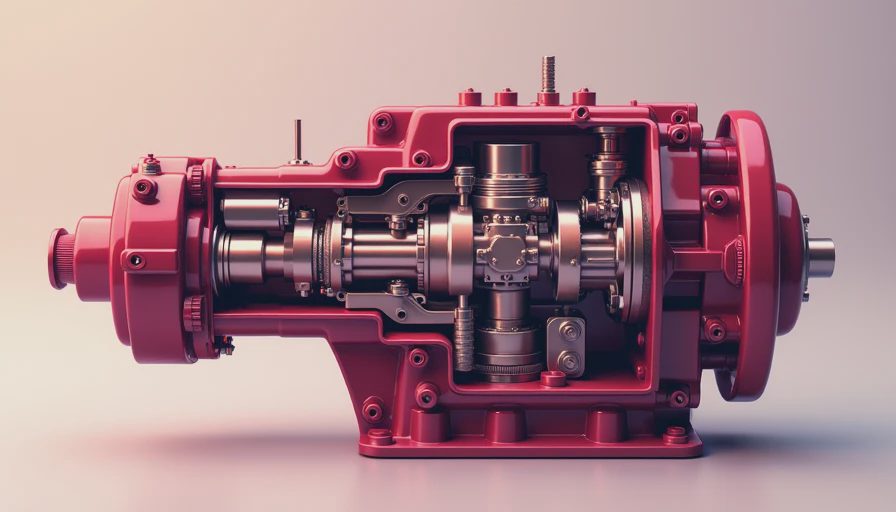
A rebuild is more comprehensive. The pump is disassembled, cleaned, measured, and inspected against manufacturer specifications. Worn bearings, pistons, slippers, retainers, seals, bushings, and valve plates are replaced as required. Some shops install a remanufactured rotating group or a complete approved kit. The housing may be machined or rejected if cavitation, scoring, or cracks exceed limits.
Hydraulic pump repair vs rebuild is not the same as choosing between a cheap job and an expensive job. It is a decision about remaining life, contamination risk, and the cost of another failure. A $300 seal repair on a pump with damaged bearings is not a bargain. It is a delayed failure with labor charged twice.
Start with testing, not guessing
Before removing a pump, record operating pressure, standby pressure, flow at specified rpm, case drain flow, oil temperature, and the symptoms under load. On a variable-displacement piston pump, excessive case drain is a strong warning that internal clearances have opened up. Low pressure can also come from a bad relief valve, weak compensator, clogged suction screen, restricted inlet, or incorrect control signal.
The test port tells you more than a screwdriver against the housing. Compare readings with the service manual for that exact pump and machine configuration. A worn pump often loses flow as oil heats, so a machine that works for ten minutes and then becomes weak deserves a hot test. Inspect the filter and cut it open. Silver, bronze, or steel debris changes the entire repair decision.
Safety Alert: never loosen a hydraulic fitting on a pressurized circuit. Lower attachments, block raised components mechanically, shut down the engine, and release stored pressure according to the machine procedure. A pinhole injection injury can look minor while hydraulic oil is already damaging tissue. Do not use your hand to find a leak.
When a repair is the sensible choice
Repair usually makes sense when the failure is isolated and the pump has clean oil, acceptable case drain, and no evidence of metal circulation. A front shaft seal leaking from age is a common example. So is a control piston seal that causes poor displacement control while the rotating group still measures correctly. A competent shop can replace the failed seal, inspect the shaft surface, verify bearing condition, and pressure-test the unit.
A repair is also reasonable on an older machine with modest annual use when the pump is otherwise healthy and replacement parts are available. For a compact excavator or skid steer, a straightforward seal or regulator job might land in the $500 to $1,500 range, depending on access and parts. Larger excavator and loader pumps can cost several thousand dollars simply because removal and calibration take more time.
Do not confuse an external leak with a minor problem. Oil leaking at the shaft may indicate a worn shaft, bearing movement, excessive case pressure, or a blocked drain line. Replace the seal without finding the cause and the new seal may fail before the next shift ends.
When rebuilding earns its keep
Rebuilding is the better path when the pump has high case drain, unstable pressure, low hot flow, visible metal, scored rotating components, or damage from cavitation. It is also sensible when the pump is already off a high-hour machine and access is expensive. Pulling a main pump from a 40-ton excavator can require a crane, hoses, oil handling, and a full day of labor. Saving a few hundred dollars on inspection may risk another removal within weeks.
This is where hydraulic pump repair vs rebuild should be decided with measurements, not sales language. Ask the shop for a written inspection report showing housing condition, shaft measurements, cylinder block condition, valve plate flatness, bearing findings, and pressure-test results. Ask whether the quoted price includes calibration, flushing, warranty, and replacement of contaminated hoses or filters.
A quality rebuild does not mean installing every available part blindly. It means returning the unit to a documented standard. Some pumps need a complete rotating group; others need only bearings, seals, and a control assembly. The final bill for a large piston pump can range from roughly $3,000 to more than $10,000, depending on size, parts, machining, and whether the core is reusable.

The contamination question nobody should skip
The failed pump is only one part of the hydraulic system. If a piston shoe breaks or a valve plate sheds metal, debris can move into the cooler, tank, filters, valves, and cylinders. Installing a rebuilt pump into contaminated oil is like putting a clean engine into a crankcase full of sand.
Drain the tank where practical, clean the reservoir, replace filters, inspect the suction strainer, and flush the lines using the machine maker's procedure. Oil sampling can help identify remaining wear, but it does not replace cleaning. Check the magnetic drain plug and cut the first replacement filter open after a short operating interval. New debris means the source was not corrected or the flush was incomplete.
I once watched a contractor blame a rebuilt pump after its replacement failed in under 100 hours. The pump shop had done its work correctly. The machine still had a damaged hose liner upstream, and fragments were being pulled into the circuit. Hydraulic pump repair vs rebuild cannot be separated from the condition of the complete system.
A practical decision at the shop door
If testing shows one external seal failure and clean internals, repair it. If the pump has worn internals but a reusable housing, rebuild it. If the housing is cracked, severely scored, or parts are unavailable, compare a factory remanufactured unit with a new pump. Dealer reman programs from manufacturers such as Caterpillar, Komatsu, and John Deere can cost more than an independent repair, but they may include documented testing and a clearer warranty. Independent shops can be excellent when they have the correct tooling, specifications, and test stand.
Before authorizing work, provide the machine serial number, pump part number, oil type, operating symptoms, pressure readings, and contamination history. Never send a pump to a shop with “weak” written on the tag and expect a useful diagnosis. Good information saves teardown time.
Field Lesson: hydraulic pump repair vs rebuild should end with a verified test, not a hopeful installation. Prime the pump correctly, confirm oil level and suction integrity, warm the system, and bring pressure up gradually. Watch for abnormal noise, foaming, heat, and case drain. If the pump fails immediately, shut it down instead of trying to finish the shift.
I've seen this go wrong. Here's how you avoid it: test before removal, measure before ordering parts, clean the entire circuit after a failure, and use a shop that can prove its work on a calibrated test stand. That approach costs less than a second breakdown, a stranded crew, and an avoidable safety incident.