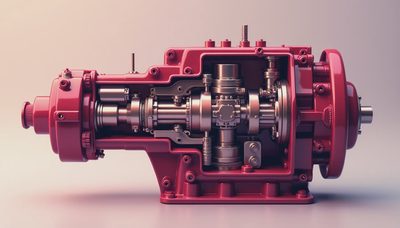
At a copper mine outside Calama, Chile, I watched an excavator boom settle several inches while the operator was clearing a trench. The machine was parked on firm ground, the control was neutral, and nobody was touching the joystick. That was not normal settling. It was a warning. Proper hydraulic cylinder drift troubleshooting would have found the problem before the boom became a falling load.
Cylinder drift means an actuator moves even though the control valve is centered. On a boom, bucket, blade, stabilizer, or lift arm, that movement can come from internal cylinder leakage, a leaking control valve, a failed load-holding valve, trapped air, or a mechanical issue. The job is to isolate the source without placing a person beneath suspended equipment.
Start With Safety and the Machine’s Symptoms
Park on level ground whenever the job allows it. Lower blades, buckets, forks, and attachments completely. Shut down, release stored hydraulic pressure according to the manufacturer’s procedure, and block or mechanically support anything that could fall. Never trust a hydraulic circuit to hold a raised attachment while you work. Steel supports are cheap compared with a crushed hand.
Record the symptom before disassembly. Does the cylinder drift only when the oil is hot? Does it move faster with a heavy load? Does the rod retract, extend, or creep in both directions? A boom that drops two inches in ten minutes tells a different story from a stabilizer that settles overnight. Measure movement with a marker, tape, or dial indicator, then note oil temperature and load condition.
Safety Alert: Do not loosen a hose fitting to “see if pressure is trapped.” A pinhole hydraulic leak can inject oil through skin, and a fitting can release pressure violently. Use the approved test ports, rated gauges, and face and hand protection.
Hydraulic Cylinder Drift Troubleshooting: Check the Simple Causes First
Before blaming the cylinder, inspect the oil and the plumbing. Low reservoir level can draw air into the pump and create erratic movement, although it usually causes noise, foaming, or sluggish operation as well. Look for wet rod seals, damaged hoses, loose fittings, and oil trails around the valve block. A clean cylinder can still leak internally, so an empty drip pan does not clear it.
Check the attachment and linkage for binding. Bent pins, seized bushings, a twisted frame, or material packed around a linkage can make a cylinder appear to drift. With the engine off and the equipment safely supported, inspect pin movement and look for polished contact marks. Compare the suspect function with a similar cylinder on the machine. A single settling boom often points toward one circuit; several functions drifting together suggests a valve, pressure, or contamination problem.
Field Lesson: On a wheel loader in Nevada, a foreman was ready to pull the lift cylinder. We found a cracked hose near the pilot-operated check valve instead. The hose only opened under load, and the oil ran down the frame where nobody could see it from ground level. Five minutes with a flashlight saved a day of unnecessary teardown.
Separate Internal Cylinder Leakage From Valve Leakage
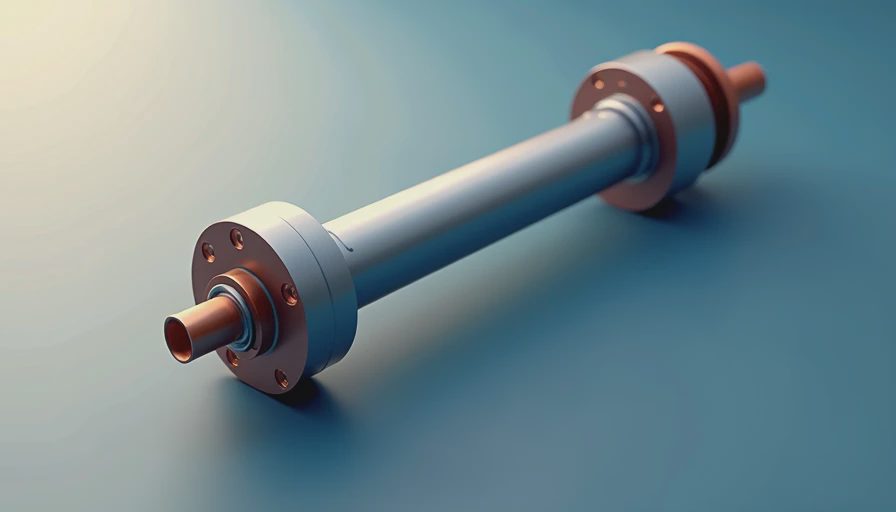
This is the heart of hydraulic cylinder drift troubleshooting. A cylinder can bypass oil across a worn piston seal, allowing the load side to lose pressure. A directional control valve can also leak across its spool, sending oil back toward tank. A load-control or counterbalance valve may be stuck open, contaminated, incorrectly adjusted, or damaged. The symptoms overlap, so isolation matters.
Use the service manual’s test procedure and install a pressure gauge at the correct port. With the attachment supported, isolate the cylinder from the valve circuit only in the manner approved for that machine. Never cap a line casually; a capped circuit can trap extreme pressure. If the cylinder still drifts when hydraulically isolated, internal bypass is strongly indicated. If it holds isolated but drifts when connected, investigate the control valve, pilot circuit, check valve, or hose routing.
A common field test is to compare rod-side and cap-side pressure while the load is stationary. Unusual pressure decay on one side supports an internal leak, but gauge readings must be interpreted against the machine’s specifications. Pressure alone does not prove a bad cylinder. Temperature, load position, oil viscosity, and seal condition all affect the result.
What Heat, Oil, and Contamination Tell You
Drift that gets worse as the hydraulic oil warms deserves attention. Warm oil is thinner, so a worn piston seal or valve spool may pass more fluid than it does during a cold-start test. That is why a machine can appear healthy during morning checks and sag after four hours of trenching. Reproduce the complaint at operating temperature, but keep everyone clear of the attachment.
Inspect the filter restriction indicator, breather, and oil sample history. Dirt can hold a spool or poppet slightly open. Water can corrode precision surfaces. Wrong oil viscosity can increase leakage and alter valve response. If a filter was recently changed and the machine suddenly developed drift, check for a damaged seal, incorrect installation, or contamination introduced during service.
Do not cure drift by turning a relief valve higher. The relief valve protects the system from excessive pressure; it does not repair worn cylinder seals or a leaking directional valve. Raising pressure can damage pumps, hoses, cylinders, and the attachment structure while hiding the original fault.
A Practical Test Sequence for the Shop
Hydraulic cylinder drift troubleshooting goes faster when every test has a purpose. First, clean the suspected area so fresh oil can be identified. Second, verify the symptom with a measured reference point. Third, inspect mechanical binding and external leaks. Fourth, check oil level, temperature, filtration, and contamination indicators.
Next, consult the hydraulic schematic. Identify the pump, directional valve, pilot lines, load-check valve, counterbalance valve, and cylinder ports. Install only correctly rated gauges. Test standby and working pressures, then compare readings with the service manual. Isolate sections methodically rather than replacing the most expensive component first.
For a cylinder suspected of bypassing, plan the repair around rod condition. A scored or pitted rod can destroy new seals quickly. Measure barrel wear, inspect the piston and gland, and replace seal kits with the correct material for the oil and temperature. A reputable hydraulic shop can hone or replace a barrel and pressure-test the finished unit. A $300 seal kit will not save a cylinder with a damaged chrome rod.

When to Stop and Call a Hydraulic Specialist
Stop field diagnosis when the attachment cannot be safely supported, the schematic is missing, pressure readings exceed your gauge rating, or a valve block must be opened in a production environment. Also stop if the cylinder rod is bent, the barrel is cracked, or the machine has suffered a hose burst. Those repairs require lifting equipment, clean assembly conditions, and a controlled test stand.
A proper shop report should identify the original complaint, oil temperature, drift measurement, gauge readings, component condition, and repair performed. Ask for a pressure test after rebuilding. On a mining loader or large excavator, insist on flushing the circuit if a cylinder failed catastrophically. Metal from a damaged piston or pump can travel through valves and create a second failure after the first repair.
I have seen this go wrong. A crew replaced a cylinder, sent the machine back to work, and watched the replacement drift because the contaminated counterbalance valve was never cleaned. The second failure cost more in downtime than the original repair.
The Field Lesson to Carry Forward
Hydraulic cylinder drift troubleshooting is not a parts-swapping contest. Treat drift as a controlled loss of load-holding ability. Make the machine safe, document exactly how it moves, inspect simple causes, then isolate the cylinder from the valve circuit using the manufacturer’s procedure.
If the cylinder bypasses internally, repair the rod, piston, barrel, and seals as a matched assembly. If it holds in isolation, focus on the directional valve, pilot circuit, load check, or counterbalance valve. After the repair, warm the oil, repeat the original measurement, cycle the attachment, and inspect for leaks.
The best maintenance record includes drift distance, elapsed time, oil temperature, attachment position, and the final test result. That information helps the next technician spot a trend before the machine becomes dangerous. Spent two weeks on that site. Here is what I learned: a small unexplained movement is not a nuisance. It is the hydraulic system telling you where to look.