I remember a Sunday morning call from a site foreman outside Cheyenne, Wyoming. Someone had backed a pickup to a D11 dozer over the weekend, cracked the fuel cap, and siphoned a hundred gallons of diesel. They also made off with the battery box and a case of lube oil. That theft shut the dozer down for two days and cost the outfit close to five grand in parts and lost production. That kind of story doesn't make the headlines, but it's the real construction site security news that matters to guys running these jobs.
Construction site security news isn't just about high-tech surveillance systems or the latest theft ring bust. It's about the everyday realities of keeping expensive iron safe so you can get the work done. I've worked sites on six continents, and I've seen security fail in ways that cost time, money, and sometimes safety. Here's what I've learned.
The Real Cost of Equipment Theft
The numbers are ugly. According to the National Equipment Register, equipment theft costs the U.S. construction industry between $300 million and $1 billion annually. But that's just the stolen iron. It doesn't include the downtime, the rental replacements, the insurance deductibles, and the overtime to make up for lost production.
I worked a copper pit in Chile where a single GPS controller was ripped off a 797 haul truck. That controller cost $18,000 to replace, and the truck sat idle for three days while a part was flown in from Santiago. Three days of a $3 million truck doing nothing. That's real money.
Fuel theft is the most common headache. I've seen guys tap into tanks with garden hoses and five-gallon buckets. They take small amounts so you might not notice until you run dry in the middle of a shift. Theft of batteries, catalytic converters, and copper wiring is also rampant. One crew in Nevada lost all the copper ground cables from a dozen pieces of equipment in a single night.
Recent Trends in Construction Site Security News
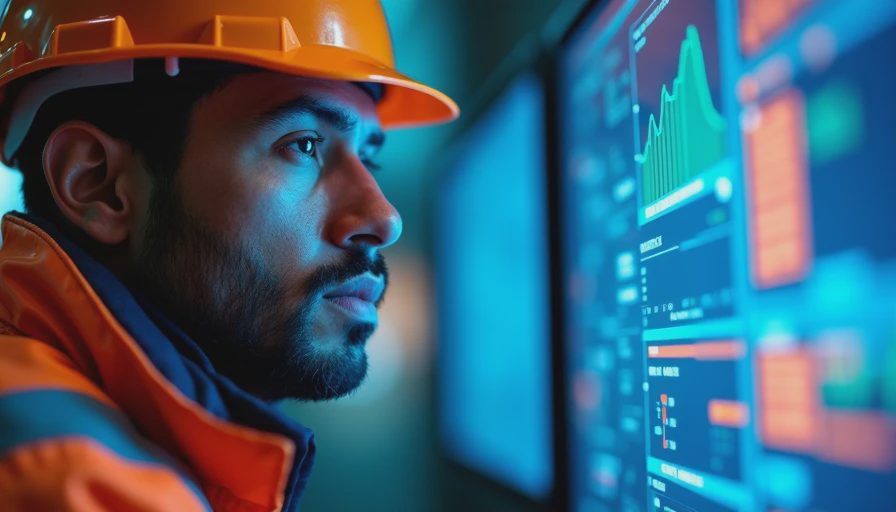
Some of the most interesting construction site security news involves the use of technology to fight back. Several states have started requiring GPS tracking on certain equipment. Texas saw a major theft ring busted last year that was targeting excavators and wheel loaders across three states. The thieves were using fake VIN plates and selling machines to unsuspecting buyers.
Remote monitoring has become standard on newer machines. Caterpillar's Product Link, for example, can alert you if a machine is started outside of normal hours or if it leaves a geofenced area. I've seen those alerts save a machine the same night it was stolen. The key is to have someone monitoring those alerts, not just sending an email that nobody reads.
Fuel management systems are also getting smarter. Automated tank monitors can detect sudden drops in fuel level and send an alert. Some systems even allow remote fuel shutoff via a phone app. That's a game-changer for sites that run unattended overnight.
Field Lesson: What Worked on a Remote Mine Site
The most effective security measures I've seen were on a gold mine in West Africa. They had everything going against them — remote location, porous border, and high-value equipment. They invested in two things: lighting and community relationships.
Perimeter lighting was the first line of defense. They used high-intensity LED floods that made the yard bright as day all night. Cameras were motion-activated, but they were just the backup. The real deterrent was visibility. Thieves don't like being seen.
They also hired local security guards who knew the community. Those guards intercepted three theft attempts in the first six months because they spotted suspicious vehicles before they even reached the fence. Field Lesson: Technology helps, but a reliable pair of eyes on the ground is worth more than any camera.
Technology That's Changing the Game
If you're looking to upgrade security, here's what's working in the field right now:
- GPS trackers hidden on equipment. Don't rely on the factory GPS alone. Thieves know to look for those. I've seen trackers tucked inside frame rails, behind hydraulic tanks, even inside the cab roof liner. Budget $200–$500 per unit.
- Remote engine immobilization. Some systems let you disable the starter or fuel pump remotely. That can buy enough time for law enforcement to respond.
- Geofencing alerts. Set up a virtual fence around your yard. Any machine moving outside that boundary triggers a text to the foreman.
- Fuel lock caps and locking battery boxes. Simple, cheap, and effective. I've seen sites cut fuel theft in half just by switching to locking caps.
Just be aware that technology is only as good as the process behind it. I've seen sites spend thousands on cameras only to have the DVR sitting in an unlocked office. Secure your security gear, too.

Safety Alert: Security and Personal Safety
This is the part that doesn't get enough attention in construction site security news. Thieves are not always just stealing equipment. Many are armed, and some will engage with site personnel. I recall a site in Colorado where a night watchman surprised a thief draining fuel from a 980 loader. The thief hit the watchman with a crowbar. The guy spent three weeks in the hospital.
Safety Alert: If you find someone on your site, do not approach them. Call the police. Your equipment is insured; your life is not. Make sure your team knows the protocol — lock down the area, stay back, and wait for law enforcement.
Also, secure keys and service vehicles at the end of each shift. I've seen thieves steal a service truck with all the tools inside just because the keys were left in the ignition. That kind of loss can bankrupt a small outfit.
Steps to Improve Your Site Security Now
Here's a short checklist I've used at start-ups and turnarounds. Do these and you'll be ahead of most sites.
- Inventory and mark everything. Record serial numbers, paint unique marks on hidden areas, and take photos. This helps recovery and insurance claims.
- Install perimeter lighting. It's the single most effective deterrent.
- Put locking caps on all fuel tanks. Also lock battery boxes.
- Install GPS trackers on your highest-value equipment. At least on machines worth over $50,000.
- Set up geofencing alerts. Even if it's a simple app on the foreman's phone.
- Train your crew. Make sure they know the reporting procedure. Reward them for reporting suspicious activity.
- Partner with local law enforcement. Invite them to walk the site. They can spot vulnerabilities you miss.
- Review your insurance. Make sure you have blanket coverage and understand the deductibles. Some policies require certain security measures.
Construction site security news often highlights the big busts or new technologies, but the real gains come from blocking the easy opportunities. Thieves are lazy. If your site is harder to hit than the one down the road, they'll go there instead.
I've seen this go wrong. Here's how you avoid it: Treat security like you treat maintenance — plan for it, invest in it, and check it regularly. A few thousand dollars spent upfront can save you weeks of downtime and tens of thousands in losses. Stay safe out there.