The first time I saw a bulldozer d 10 get used the right way, it was on a wet copper job in Chile where the push had gone bad before sunrise. The bench was slick, the grade was off, and a smaller dozer was just polishing the dirt and digging ruts. We brought in the D10, set the blade right, and in two passes the face was squared up and the loadout crew could breathe again. I have seen that machine save a shift more than once. I have also seen owners spend a pile of money because they treated it like a bigger version of a mid-size dozer. It is not. It is a production tool, and it punishes sloppy operation fast.
What follows is not brochure talk. This is the kind of advice you get after crawling under one in dust, rain, and heat, with a foreman standing there asking why the oil sample went ugly. If you are running one, maintaining one, or deciding whether your job needs one, this is the short list that matters.
What a bulldozer d 10 is really built to do
A bulldozer d 10 earns its keep when the ground is ugly and the clock is running. It is built for heavy push work, ripping, mass earthmoving, and keeping big mining or site development cuts moving when a smaller machine would spend all day spinning its tracks. The real value is not just horsepower. It is traction, weight transfer, and the ability to stay productive in conditions that would make lighter iron look tired. On a mine, that means overburden, spoil shaping, dozer assist, and cleanup around shovel faces. On a big civil job, it means long push distances, embankment work, and cleaning up a stubborn cut without stalling every few minutes.
The operator needs to know that the machine makes money when it is balanced. Good blade control, the right ripper depth, and steady track management matter more than heroics. I watched a young operator in Western Australia waste half a shift because he kept stalling the machine in deep slot dozing. The fuel burn climbed, the tracks packed up, and the blade never carried cleanly. Same machine, same ground, different results once he learned to keep the cut shallow and keep moving.
Field Lesson: the D10 is happiest when the operator thinks about load shape, not just brute force. The dirt has to roll, not fight.
Where the money goes first
On a machine this size, the first bills usually show up in the undercarriage, finals, blade wear parts, and the ripper. Track chains, rollers, idlers, and sprockets do not forgive poor grease habits or lazy cleanup after abrasive work. If the machine is running in rock, sharp gravel, or dry sand, undercarriage cost can climb into the tens of thousands before anybody blinks. On a hard life cycle, a full rebuild can run far beyond that. That is not scare talk. That is normal ownership math.
Final drives deserve respect too. When oil samples start showing metal, do not talk yourself into one more month. I have seen a final drive go from noisy to ugly in a week when a supervisor tried to stretch it through a shutdown window. The repair bill that followed would have paid for a lot of preventive work. Same story with blade edges, end bits, and ripper tips. Small wear parts look cheap until the machine starts wasting fuel because the cutting profile is gone.
If the machine has a fuel problem, look for operator habits before you blame the engine. Track slippage, poor shift selection, and bad cut technique can burn money faster than a weak pump. A bulldozer d 10 that is set up right will move a lot of material on a gallon of diesel compared with one that is constantly fighting its own conditions.
The daily walkaround that actually prevents downtime
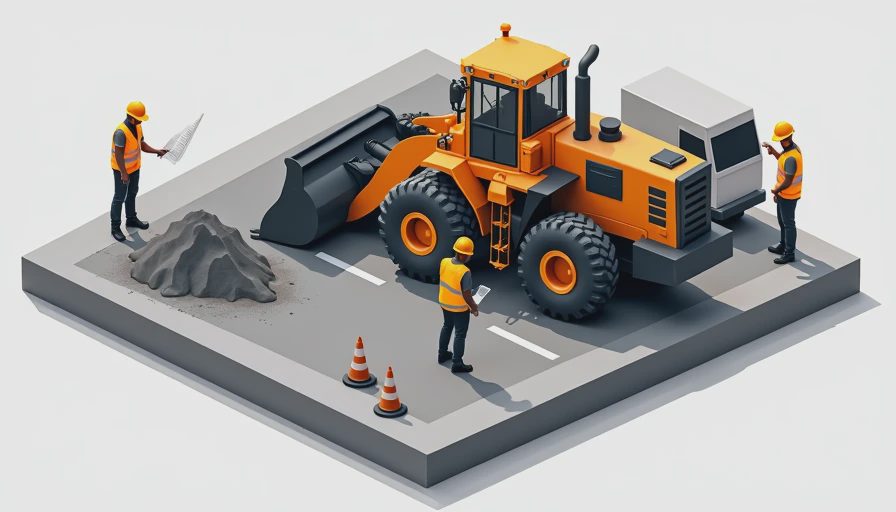
Before startup, walk the machine like you expect to find a problem. Check the undercarriage for packed mud, broken pads, loose bolts, and missing segments. Look at the ripper pins and bushings, blade mounts, hydraulic lines, and cylinder rods for fresh oil or bruising. Make sure the track frame is not loaded with debris that will cook seals or damage guards. On cold mornings, give the oil and coolant a minute to tell you if something is wrong before you go to work hard.
The operator should listen for new noises during the first push. Grinding in the finals, a squeal from the steering clutches or transmission area, or a repeated shudder under load is a stop-and-check event, not a keep-going event. Oil samples, coolant checks, and filter inspections are not paperwork for the office. They are early warning tools that save iron.
Safety Alert: never let anyone stand between the tractor and the blade, and never trust a suspended attachment just because the operator says the system is holding. I have seen the consequences up close, and there is no shortcut worth a crushed leg or worse.
When to park it and call the shop
If a bulldozer d 10 starts losing steering response, throwing hot oil smells, or showing one track hotter than the other, stop and investigate. Do not keep pushing because the schedule is ugly. That is how a repair turns into a rebuild. A weak hose, a slipping component, or a contaminated hydraulic system usually announces itself before the failure. The trick is listening before the noise gets expensive.
I had a shop foreman on a coal site in Indonesia once tell me the machine could finish the shift with a small leak at the ripper circuit. It did finish the shift. It also soaked the belly pan, pulled dirt into the leak path, and turned a clean hose replacement into a much bigger cleanup and inspection job. That is a lesson I have seen repeat across continents. Small leaks are not small if the machine works in heat, dust, and long hours.
A smart shop also watches oil trends, not just visible failures. If wear metals rise, temperatures drift, or filters load up too fast, the machine is telling you where to look. Keep good records, compare one machine to the next, and do not normalize bad data because the dozer is still moving dirt.
Buying, renting, or keeping one in a fleet
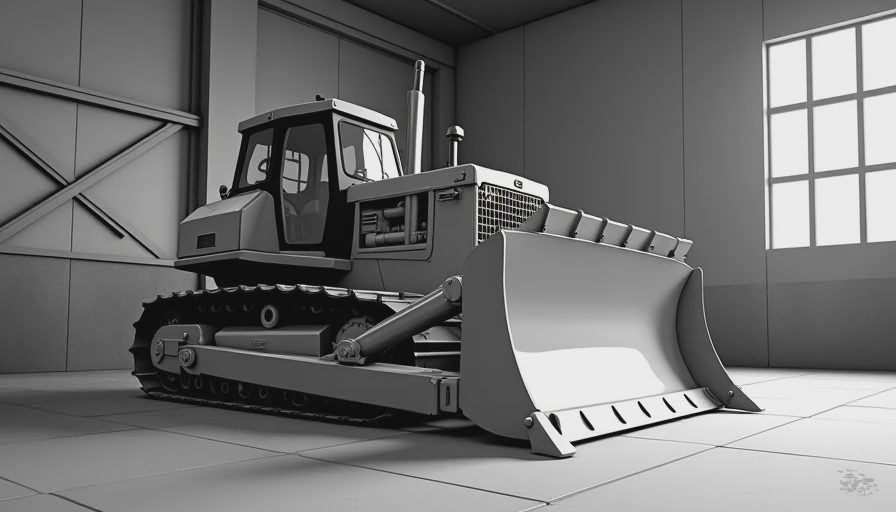
When a contractor asks whether a bulldozer d 10 is too much machine, I ask a different question: how much production are you losing by under-sizing the job? If the push is long, the material is tough, and the shutdown window is tight, the bigger dozer can be the cheapest iron on site. If the work is short-run grading or utility trench cleanup, it may be overkill. The right answer depends on haul distance, material type, and how often the machine will be used at full load.
For fleets, the best D10 units are the ones with disciplined operators and boring maintenance logs. That means regular samples, proper track service, clean fuel handling, and a mechanic who does not let a loose guard turn into a lost day. For owners, rent one before you buy if the job is new to you. A week in the seat will tell you more than a glossy spec sheet. You will learn whether the site needs brute force, finesse, or something in between.
Field Lesson: if the machine spends more time waiting on repairs than moving dirt, the problem is not the dozer size. It is the maintenance plan.
I have seen this go wrong. Here is how you avoid it: match the machine to the dirt, keep the undercarriage clean, watch the oil, and stop early when the warning signs show up. That is how a bulldozer d 10 pays for itself instead of eating your margin.