Hydraulic Pump Seal Failure: A Field Guide to Stopping the Leak
I remember a midnight call on a copper mine in Chile. A Cat 992 wheel loader was parked in the pit with oil pouring out the back of the main pump. The crew had ordered a $6,000 reman pump before I walked up and canceled it. The hydraulic pump seal had failed, not the pump. Thirty minutes and a $120 seal kit later, the loader was back at work. That kind of waste happens every week on job sites I worked from Australia to Alberta.
A hydraulic pump seal is a rubber ring that keeps high-pressure oil inside the pump and contamination out. When it fails, you lose pressure, volume, and eventually the pump itself. Most failures come down to a worn shaft, contaminated oil, or bad installation. Here's what I learned on six continents.
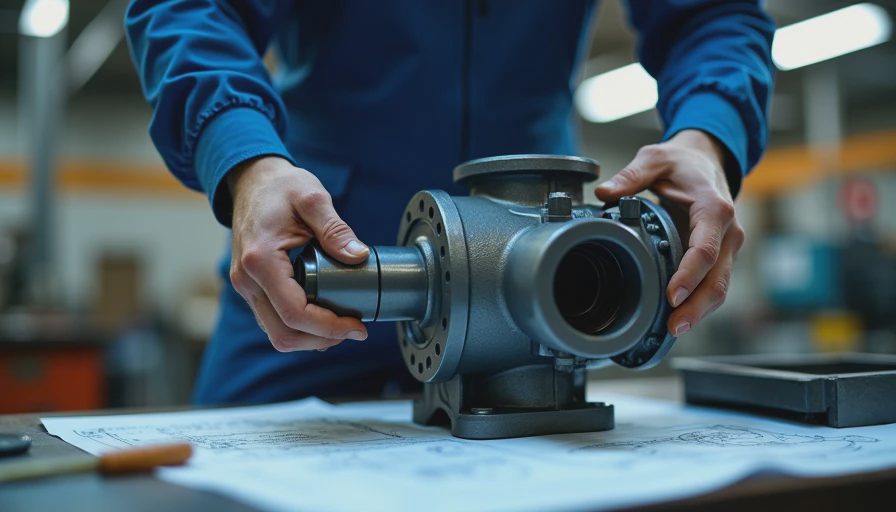
Why the Hydraulic Pump Seal Fails
The seal rides on the pump shaft. If the shaft has a groove from dirt or a polished spot from a misaligned bearing, no new seal will hold. I've seen a new hydraulic pump seal leak within a week because nobody checked the shaft with a micrometer. On a Cat 330 excavator, the seal sits behind the gear pump. On a Komatsu PC200, it's in the swing pump. Same story.
Heat is another killer. Oil above 180 degrees F makes seal rubber harden and crack. High-temperature seals cost more but last hundreds of hours longer. I've seen cheap aftermarket seals fail in 40 hours while OEM Parker or Freudenberg seals ran 2,000. That's tear-down data, not marketing.
Contamination is the third culprit. A grain of sand between the lip and shaft cuts like a tool. Field Lesson: Pull a failed hydraulic pump seal and cut it open. Worn smooth lip means a shaft problem. Nicked and torn lip means contamination. Fix the cause before you reassemble.
Catching a Failing Hydraulic Pump Seal Early
A leaking seal doesn't always announce itself with a puddle under the machine. Sometimes it shows up as a wet spot on the pump housing, a slight whine from the pump, or a slow drop in the hydraulic oil sight glass. On one iron ore site in Australia, an operator noticed a 1/4-inch oily film on the belly pan and kept running for two more shifts. By the time we pulled the pump, the shaft had scored beyond repair and the pump core was junk. The entire replacement cost the mine over $8,000. The seal kit that would have fixed it was $85.
Learn to inspect the seal area during your daily walk-around. Put a clean rag over the pump shaft at the seal. If you see oil wicking up after a few minutes, you have a leak. Also check the breather cap on the hydraulic tank. A blown seal often causes the system to draw air into the case, and you'll see foamy oil or a milky sight glass. Catching these signs early can save you a full pump overhaul.

Safety Alert: Relieve Pressure Before You Touch Anything
Even with the engine off, hydraulic systems trap energy. A pressurized accumulator can spin the pump shaft and turn a seal replacement into a hospital visit. I saw a tech crack a fitting on a Komatsu PC400 and get sprayed with 200-degree oil at over 3,000 psi. He spent two months in recovery. Block the machine, lower attachments, lock out the start switch, and bleed the accumulator before you break a fitting.
How to Replace a Hydraulic Pump Seal
Drain the oil and remove the pump. Mark the mounting orientation. On a clean bench, remove the end cap and retaining ring. Use the old seal to gauge depth. Clean the bore, then inspect the shaft. If you can feel a lip with a fingernail, the shaft needs a speedi-sleeve or replacement.
Lube the new hydraulic pump seal with system oil, not grease. Press it in squarely with a seal driver. A cocked seal leaks immediately. Reinstall the pump, fill with clean oil, prime, and crank at idle. Check for leaks after five minutes. If the pump uses a separate case drain, make sure that line is open; a blocked case drain will blow the seal out under pressure within seconds.
The Cost of Doing It Wrong
A seal kit runs $40 to $200. A full pump replacement runs $2,000 to $6,000 plus labor. Ignore a leaking seal and you can destroy the main pump, a $15,000 part on a D8 dozer. Replacing the seal while the shaft is true is the cheapest repair on the machine. Waiting until the pump groans means you're buying someone a new boat. Don't be that operator.
When to Call the Shop
If you don't own a torque wrench, a dial indicator, or a clean work area, hand it to a shop. Seal replacement is doable for a careful DIYer, but variable-displacement piston pumps need precision. I spent a week in Indonesia where a mechanic replaced the seal on a CAT 773 and left a steel shaving in the swashplate. The pump failed in an hour. A $300 bench test beats a $15,000 mistake.
The Bottom Line
Check the shaft, check the oil, and don't buy the cheapest seal. A hydraulic pump seal is a $100 part protecting a $15,000 pump. Replace it at the first drop of oil, keep the fluid clean, and always relieve pressure first. I've seen this go wrong. Here's how you avoid it.




No letters yet — be the first to write.