I spent thirty years as a Caterpillar field service engineer, and I can tell you the exact moment I stopped trusting my gut and started trusting data. It was an iron ore site in the Pilbara. A D11 dozer came into the shop with a cracked final drive. The operator swore he'd heard nothing. But the machine's onboard computer had logged high oil temperature spikes for three days. If the site manager had been watching, that would have been a two-hour sensor swap, not a two-week shutdown. That's the heart of how construction telematics reduce costs: telematics turn small warnings into dollar signs before the machine turns them into a pile of scrap.
What the Black Box Really Tells You
Modern machines come with factory telematics like Cat Product Link or Komatsu Komtrax, and they collect a surprising amount of data. Engine hours, fuel burn, idle time, coolant temperature, hydraulic pressure, fault codes, even GPS location and operator behavior. On older iron, you can add aftermarket units that plug into the diagnostic port or monitor the CAN bus. The challenge isn't data collection; it's deciding which numbers matter. A good telematics system flags exceptions rather than drowning you in screenshots. You don't need every sensor reading. You need the trends that say a component is about to fail. I've seen fleets save more money with a simple monthly report than with a $50,000 software package nobody opens.
Idle Time Is the Quietest Leak
The easiest savings in construction telematics is fuel wasted at idle. A large wheel loader can burn three to five gallons per hour just sitting with the bucket down. Run that for a few hours each day across a fleet and the fuel bill starts to look like a payroll line. I've seen contractors cut fuel spend by double digits once they showed operators their own idle percentages. That's not magic. Most operators idled out of habit, not because the machine needed to run. One superintendent set a simple rule: if the cab's going to sit for more than five minutes, kill the engine and lock the door. That one rule paid for the telematics subscription in the first quarter.

Catching Failures Before the Wrecker Shows Up
Telematics pays its biggest check when it catches a failure early. An engine coolant temperature that runs a few degrees hot for three days is worth a phone call. A hydraulic pump that's slowly losing pressure will show up in the load-sense data. Your first clue might be a fault code, an oil sample alert, or a fuel economy trend that drops off a cliff. Whatever it is, catching it early turns a $40,000 final drive rebuild into a $1,500 bearing replacement. Safety Alert: failed undercarriage components can throw tracks at highway speed on a haul road. If your telematics shows a sudden vibration spike or a track tension warning, park the machine and inspect it before someone gets hurt. I've seen this go wrong. Here's how you avoid it: run a weekly exception report and act on it.
Field Lesson: A copper mine in Chile ignored a hydraulic temperature alarm for a week because the machine still moved. That week cost them $120,000 in pump and motor damage. The telematics had been sending the warning the entire time.
Cycle Times and Production Data Do More Than Look Pretty
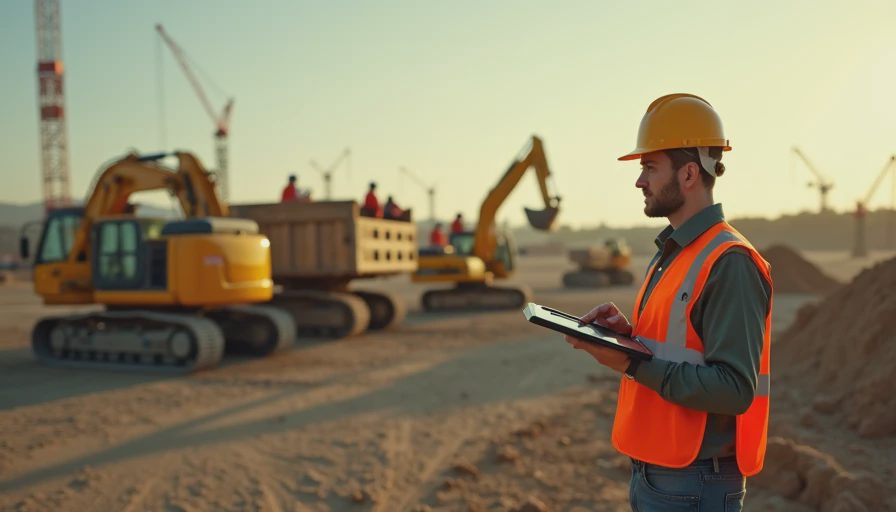
Construction telematics doesn't just track maintenance; it also tracks production. For excavation and hauling, you can see cycle times, load counts, payload weights, and wait times at the pit or the crusher. That data changes how you assign your iron. I remember a road job in Nevada where one excavator was pulling twelve-minute cycles and another identical machine was pulling eight. Same operator pool, same ground. The twelve-minute machine had a clogged hydraulic return filter and a tired operator working in dusty conditions. Swapping rotations and fixing the filter trimmed almost every haul cycle. When production per machine goes up, your cost per ton drops, and that's how construction telematics reduce costs without buying a single new piece of equipment.
Utilization Data Settles the Rent-or-Buy Argument
For contractors juggling owned and rented machines, telematics usage reports are the evidence you need. If a compact track loader is running only 300 hours a year, owning it may be a waste of capital. If a rented excavator is running 2,000 hours, you're paying rental rates that could go toward a machine you keep. Telematics gives you actual engine hours, idle percentage, and payload data per machine. I've seen fleet managers use that to downsize a fleet by one or two machines without losing any production. They simply found the underused machines and sold them, then shifted work to the iron that was actually earning its keep. That's a six-figure decision on a medium-sized spread. And that's exactly how construction telematics reduce costs for fleet owners: data replaces guesswork.
Making the Data Stick on Site
The best telematics system in the world won't save a dime if nobody reads it. Assign one person, usually the shop foreman or the lead tech, to pull a weekly report and walk the site with it. Keep those reports short: top five faults, top five idle offenders, and any machine that's off its normal fuel trend. Post them in the lunchroom. Talk about them in the morning meeting. And never use telematics to beat up an operator in public. I've seen good operators go quiet after being called out on an idle report. Pull them aside, show them the number, and ask what changed. More often than not, they'll tell you about a shortcoming out in the field that the office never sees.
Add it up over a year and the savings make telematics an easy call. That's how construction telematics reduce costs across a fleet: better information, better calls, better margins.



No letters yet — be the first to write.