"Construction equipment categories" is a phrase I rarely thought about in my first years turning wrenches. But in 2011, I was on a copper site in Chile when a contractor tried to feed a crusher with a wheel loader built for road work. The machine lasted four shifts before the boom cracked. The operator walked away lucky. I've seen this go wrong. Here's how you avoid it.
Why Category Labels Matter
In field service, the category tells you what a machine is designed to dig, push, lift, or haul, and how hard you can run it. Put a dozer where a loader belongs and you'll tear up an undercarriage. Put a skid steer where an excavator belongs and you'll buy wear parts every month. Contractors who understand construction equipment categories tend to have lower downtime and better resale values because they run each machine inside its duty cycle. In mining, mixing categories is a safety issue from day one.
The Main Machine Families
The machine families show up on nearly every U.S. job site. Excavators are the digging workhorses, from compact utility machines to 100-ton mining units. Bulldozers push material and rough in roads; a D6 or D8 class dozer is the standard on many sites. Wheel loaders load trucks and stockpiles, and a general loader like a Cat 966 is the most common sight on road jobs. Motor graders keep haul roads smooth. Articulated haul trucks move dirt where a rigid frame cannot handle the terrain. Compactors handle subgrade and asphalt. Cranes have their own load chart logic. Each family is built around a specific kind of work. Match the size to the site access, because a big excavator is useless in a narrow cut.
How to Match the Right Machine to the Work Cycle
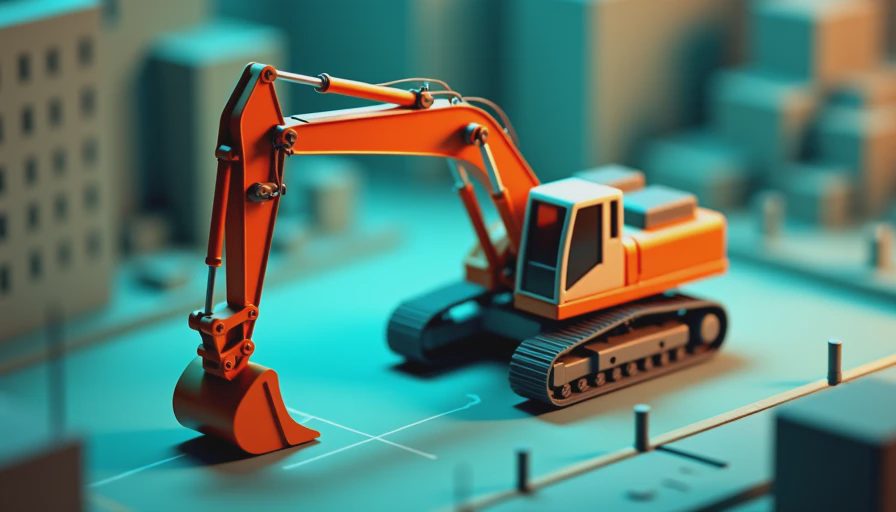
Do not start with brand or monthly payment. Start with the material, the distance, and the daily tonnage. If you are digging below grade and need reach, an excavator is the only sensible choice. If you are pushing material 200 feet and piling it, a dozer beats anything with wheels. If you have a loading cycle, a wheel loader with the right bucket size keeps cycle time low. I have watched crews rent a compact track loader when they needed a mini excavator. The job got done, but half the day was spent hand-sloping. When you line up the construction equipment categories with the work cycle, you save fuel, labor, and machine hours.
Field Lesson: When the Wrong Category Costs Real Money
A few years back, I pulled into a Nevada gold mine to look at a motor grader that had been sent out to push stockpiles. That machine was built to grade roads, not to bulldoze ore. Within two months, the blade circle cracked and the front frame shifted. The repair bill was close to the price of a new dozer. Field Lesson: availability is not a good reason to cross the lines between construction equipment categories. I have seen the same mistake with compact excavators used as cranes. Every time, the repair cost wipes out the schedule gain.
Safety Alert: Size, Weight, and Blind Spots
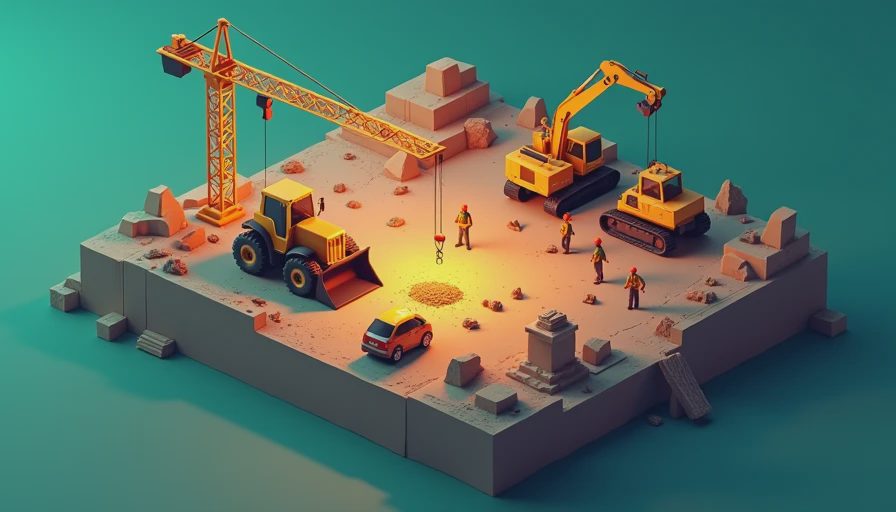
Two of the worst accidents I have seen came from putting a light machine into heavier work. A telescopic handler rated for 5,000 pounds was used to lift a load near its limit on a slope; it tipped forward and the boom dug into the ground. Nobody died, but the operator spent two days in the hospital. Another site used a compact excavator to lift a steel beam that belonged on a crawler crane. The boom bent and the load dropped onto an empty pickup. Safety Alert: every piece of iron has a load chart, a weight limit, and blind spots. Haul trucks hide a full-sized crew truck in their blind spots; wheel loaders still need spotters. Match the machine family to the lift or the dig, not to the last machine sitting on the lot.
A Quick Way to Match Machine Families to Your Job
When I train younger technicians, I tell them to run the work cycle on paper first. How deep is the dig? How far is the move? How many tons per day? What surface will the machine run on? How tight is the access? The answers point you to the right family. A deep cut points to an excavator. A short push points to a dozer. A long haul on soft ground points to an articulated truck. A tight demolition job points to a skid steer. This filter saves you from renting the wrong iron for a month. It is the same process I used on six continents, because the physics of digging do not change.
The Bottom Line for Your Next Rental or Purchase
If you are in the middle of picking a machine, write out the work cycle before you call a dealer. Ask for production numbers and load charts. And if a salesman tries to shift you between construction equipment categories just to move inventory, walk away. The right iron is not the one with the lowest payment; it is the one that matches the dirt, the distance, and the crew. Keep it simple, stay safe, and run the machine inside its category.