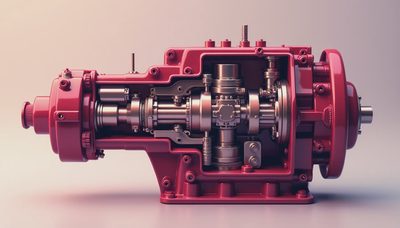
The ugliest breakdown I ever saw on a Pilbara haul road started with a skipped walkaround. A driver climbed into a Cat 775F, saw the machine was still running yesterday, and rolled. By noon a hose had rubbed through, the transmission oil had dropped, and the truck was parked in the wind with a hot smell and a long tow back to the shop. That is why I still trust an off-highway vehicle maintenance checklist. It is not paperwork. It is the cheapest insurance a mine or construction crew can buy, and it keeps small leaks from becoming crane calls and lost shifts.
Field Lesson: most major failures begin as a simple sign someone chose not to see. Mud on a rim, a wet belly pan, a battery cable that moves when you tug it, or a fan belt that looks glazed under a flashlight. If you want iron to live, start with a slow walk, a clean rag, and your hands. I have watched a loose fitting turn into a fire risk on a wheel loader and a cracked hose take out a full shift on a dozer. The machine usually tells you what is wrong before it quits.
What belongs on an off-highway vehicle maintenance checklist before the first shift
Start at ground level and work in a circle. Look for fresh oil under the engine, hydraulic sheen on the frame, coolant drips at the radiator, and fuel smell around the tank and filters. Then check the stuff that gets ignored because it is not flashy: tire condition, cuts in sidewalls, missing lug nuts, track tension, worn idlers, loose guards, and bent steps. On a Cat 320, a Komatsu PC210, or a John Deere 850K, a five-minute look can catch a bad hose clamp or a dry pin before it becomes a tow bill.
Next, check the controls and the safety gear. Lights, horn, backup alarm, mirrors, camera system, wipers, seat belt, fire extinguisher, and the emergency exit all need to work. If the machine has a fault code, write it down before anyone clears it. Safety Alert: never crawl under an unsupported bucket, blade, or dump body just to find a leak. Use the proper lockout steps, and if the machine is in the air, lower it or block it right. A pressure line can move with enough force to break a hand or worse.
On the fluid side, look at the basics: engine oil, coolant, hydraulic level, transmission or final drive oil where applicable, and fuel water separators. Do not just glance at the sight glass and call it good. Open the cap only after the machine is cool, and look for milkiness, metal glitter, or foam. A dark engine bay is not an excuse either. I have found a split charge-air hose with a flashlight and a paper towel, and that inspection saved a turbo and a day of production. That is the heart of an off-highway vehicle maintenance checklist: catch the cheap problem before the expensive one has time to grow.
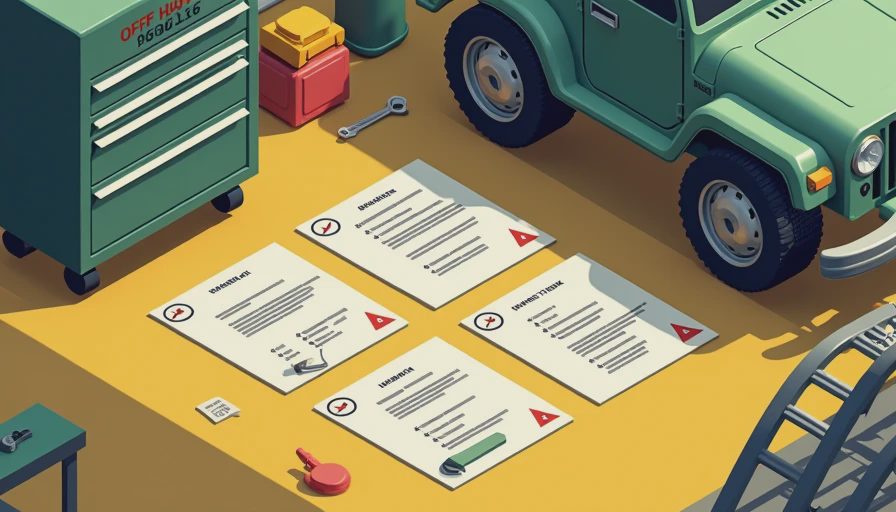
The weekly off-highway vehicle maintenance checklist that saves gears and bearings
Once a week, slow down and do the jobs that keep the machine healthy over the long haul. Grease all pivot points until fresh grease shows, but do not overdo it and blow seals. Pull an oil sample if your site runs a condition program. Clean radiator cores, charge-air coolers, and hydraulic coolers so the cooling package can breathe. Check battery terminals for corrosion and make sure hold-downs are tight. Drain water from the fuel separator and look at the bowl. A wet air filter, a dirty breather, or a loose terminal can cost more downtime than people expect.
This is where an off-highway vehicle maintenance checklist pays for itself. A $30 filter or a $40 oil sample can warn you about fuel dilution, coolant intrusion, or wear debris long before the pump, injector set, or bearing lets go. I saw a wheel loader in Chile run hot for three shifts because the cooler was packed with chaff and oily dust. The operator blamed the heat. The real problem was a cleaning habit that had slipped. Ten minutes with air, water, and a brush would have saved a repair that ran into the thousands.
Wheel torque checks belong here too, especially on machines that work rough ground or haul road rock. I have seen loose lugs crack a rim and turn a routine move into a tire service event nobody wanted. For tracked machines, inspect track pins, bushings, rollers, sprockets, and carrier rollers for unusual wear. Do not guess at undercarriage health. Measure it, log it, and compare it to the last inspection. If the wear is marching faster than normal, your ground conditions, operator habits, or grease practice are telling you something.
Field Lesson: cleanliness is not a vanity issue. Dirt hides leaks, and a leak hides the true rate of failure. If you wipe down the fittings, seeps, and filter bases every week, you will spot the change from damp to dripping. That is often the difference between a planned repair and a midnight wrench session. I have spent two weeks on one site because a shop wanted to blame a bad pump when the real issue was contamination from a sloppy fill cap.

When the checklist says stop and call the shop
Some problems are not for the operator with a rag and a grease gun. If you find metal in the filter, coolant in the oil, repeated low-pressure warnings, a steering problem, a brake warning, or a crack in a rim or wheel, park it and get the technician involved. If a hydraulic line keeps bursting, stop chasing the symptom and find the routing, clamp, or vibration issue that caused it. On articulated trucks and graders, a steering delay is not a nuisance. It is a warning.
The same goes for electrical gremlins that keep coming back. A blown fuse once is a clue. A blown fuse twice is a system problem. Do not keep resetting alarms and sending the machine back out because the shift is short and the haul plan is behind. I have watched that attitude ruin a final drive and scatter shrapnel through a housing that should have gone another season. The repair bill hurt. The lost production hurt more.
A practical off-highway vehicle maintenance checklist also protects people, not just iron. If a ladder rung is bent, fix it. If the handrails are loose, do not let the machine roll. If the fire suppression bottle is missing a pin or tag, stop and sort it out before the machine returns to work. That is not being picky. That is keeping a bad day from turning into a bad headline.
If you want the short version, here it is: inspect daily, service weekly, document everything, and call the shop when the machine gives you a real warning. Keep the checklist simple enough that a tired operator will actually use it, but strict enough that nobody gets lazy with the basics. I have seen this go wrong. Here's how you avoid it: treat the walkaround as part of the job, not a delay before the job.