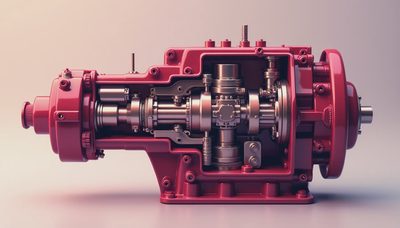
At an iron ore site in Western Australia, I watched a 797 sit dead in a bay for 11 days because one controller, one hose kit, and one missing seal set turned into a supply-chain chase. The truck was paid for, the haul road was ready, and the loader was waiting. That is why mining equipment market trends 2026 matter to the people who keep the iron moving. The buyer can sign a purchase order in an afternoon, but the mine still has to feed the machine, service it, and keep it from becoming expensive yard art.
What I saw then is showing up again now. Fleets are spending less like they used to in the boom years and more like they are under a microscope. A superintendent wants uptime, a finance manager wants predictable cash flow, and the shop foreman wants parts on the shelf before the failure shows up. That combination is pushing buyers toward rebuilds, reman powertrains, and machines that are easier to support in the field. New iron still sells, but the decision is no longer just about horsepower or bucket size. It is about total life on the ground.
What is driving spend in the pits
Commodity prices still swing the market, but the bigger force in the field is planning. Copper, iron ore, coal, and aggregate operators are watching replacement cycles more closely because they know one unscheduled outage can wipe out a month of margin. I have seen a 930E look cheap on paper until the tires, GET, and service truck hours were added up. I have also seen an older D11, rebuilt right, outwork a newer dozer that had no support plan behind it. The trend is not just buying used or buying new. It is buying the right support path.
Lead times also changed the conversation. Even when a machine is available, the parts package behind it may not be. Filters, sensors, hoses, undercarriage, and electronic modules all matter now. Dealers like Caterpillar, Komatsu, Liebherr, Hitachi, Sandvik, and Epiroc know that support sells iron as much as the spec sheet does. If a mine cannot get service kits, telematics help, and trained techs, the machine spends more time parked than producing.
mining equipment market trends 2026: the first numbers I would trust
When I talk about mining equipment market trends 2026 with site managers, I start with three numbers: days of downtime, rebuild cost, and parts risk. A major engine overhaul can run from roughly $80,000 to well north of $150,000 depending on the machine and what is found inside it. A pair of haul-truck tires can swallow $60,000 before the machine leaves the bay. Against that, a documented reman transmission or final drive starts to look a lot smarter than gambling on a mystery used part.
Safety Alert: when a machine is down and production is screaming, crews get creative. That is when people skip lockout, cut corners on contamination control, or rush a hot repair because they think one shift will not matter. One shift is all it takes to turn a repair into a rollover, a fire, or a hydraulic injury. If the job needs special tooling or isolation procedures, stop and call the shop that knows the machine.
Electrification and autonomy are real, but site limits still rule
Battery-electric haulage, trolley assist, and autonomous haulage are no longer science fair projects. They are in the market now, especially where haul profiles are stable and management is willing to build the charging, power, and software support around them. I have walked underground sites where electric loaders made perfect sense and open-pit jobs where diesel still won because the duty cycle was brutal and the infrastructure was thin. The machine is only part of the system. The pit, the bench, the road, the power supply, and the skill of the maintenance crew all decide whether the idea works.
That is where buyers get tripped up. A flashy machine with a clean brochure can hide expensive support work. Electric gear still needs trained technicians, thermal management, cable inspections, and disciplined planning. Autonomous fleets need network reliability, sensor care, and strict traffic control. None of that is magic. It is maintenance by another name. For a mine with strong engineering and a deep bench, the payoff can be real. For a small contractor trying to copy the big players, it can become a very costly lesson.
Used iron, reman, and parts pressure are where the money hides
The used market is not a bargain bin anymore; it is a risk transfer market. A clean-looking haul truck with no records can hide frame cracks, tired drivetrain components, and a service history nobody wants to explain. A well-documented machine with regular oil samples, known rebuild dates, and a parts trail is worth more because the risk is lower. The same goes for reman components. Cat Reman, for example, exists for a reason: a known rebuild path is often better than a mystery component from a seller three time zones away.
Parts pressure also shapes buying behavior. Shops are starting to order wear parts earlier, stock more critical hoses and sensors, and standardize filters across mixed fleets when they can. That is not flashy, but it keeps production moving. I would rather see a foreman with a shelf full of the right filters and seals than a shiny new machine waiting on a $38 part from nowhere.
What a foreman should do before the quotes come in
When I look at mining equipment market trends 2026 from a shop foreman’s seat, I see one job first: match the machine to the support you actually have. Do you have a dealer within reach who can field a tech at 2 a.m.? Do your mechanics have the tooling for the latest electronics and calibration work? Are your oil sampling results good enough to prove a rebuild is still worth it? If the answers are weak, the cheapest purchase price can become the most expensive decision on the property.
Field Lesson: the best-buy machine is usually the one that fits your service truck, your skill set, and your parts shelf. I learned that in Chile, West Africa, and the western U.S., and it was true every time. If you are writing a budget now, spend more time on support than on paint color. Build the plan around uptime, not pride.
If you want a blunt read on mining equipment market trends 2026, here it is: buyers who think like owners, maintainers, and parts managers will come out ahead. The rest will keep paying for surprises. I've seen this go wrong. Here's how you avoid it.