Hydraulic Maintenance Overhaul: How One Plant Slashed Costs by 30%
The Big Picture
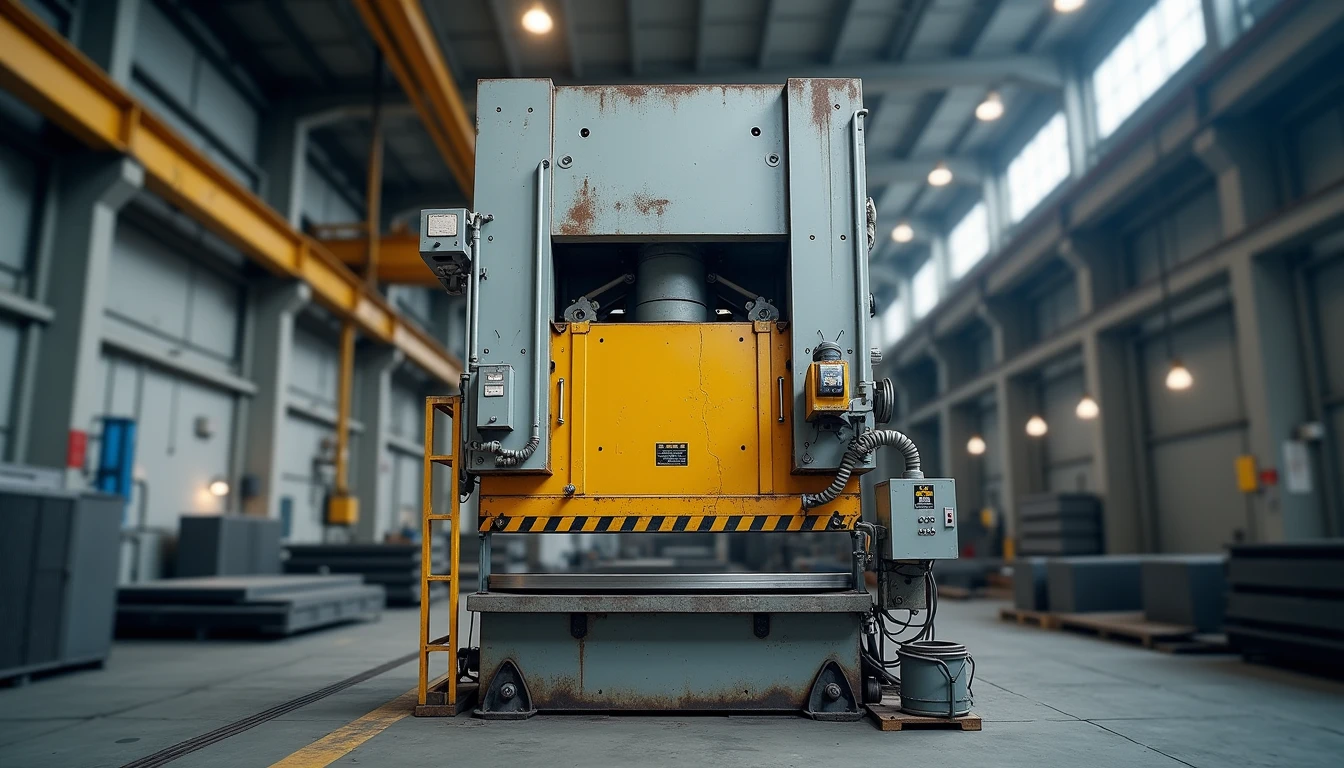
Picture this: A Thursday afternoon at a mid-sized manufacturing plant outside Chicago. The main press line is humming, fulfilling a critical automotive component order. Suddenly, a deafening hiss echoes through the bay, followed by the groaning halt of a 500-ton hydraulic press. A blown cylinder seal has sprayed high-pressure fluid everywhere, shutting down the line. The result? Fourteen hours of unexpected downtime, $18,000 in immediate parts and labor, and over $50,000 in lost revenue from delayed shipments.
This wasn't an anomaly; it was the culmination of reactive, outdated hydraulic system maintenance practices. This scenario represents the costly inefficiencies inherent in run-to-failure strategies. By examining a real-world transformation at a 120,000-square-foot facility specializing in metal stamping, we see how shifting to a systematic, data-informed approach resulted in a 30% reduction in annual maintenance costs and a dramatic boost in overall equipment reliability. This isn't theory; it's a proven blueprint for breaking the cycle of hydraulic breakdowns and production unpredictability.
Field Lesson: I've seen seals blow like this in mining pits across four continents. When you ignore the hiss until it becomes a shout, you're not saving money on maintenance—you're paying a premium for emergency logistics and lost production.
Key Details
A thorough audit of the plant revealed a diverse ecosystem of hydraulic system components, each with distinct maintenance needs and failure points. Creating a detailed asset register was the first critical step in moving from vague concepts to actionable inventory. The facility operates two full shifts, five days a week, heavily dependent on hydraulic power for forming, punching, and material handling.
Equipment Audit Summary:
- Main Stamping Press: Hytec 500SC. Primary metal forming. Operating Pressure: 3,000 psi. Reservoir Capacity: 150 Gal.
- CNC Hydraulic Punch Press: Finn-Power X5. Precision hole punching. Operating Pressure: 2,500 psi. Reservoir Capacity: 80 Gal.
- Material Handling Arms (x4): Custom-built. Moving steel blanks. Operating Pressure: 2,000 psi. Reservoir Capacity: 30 Gal each.
- Hydraulic Power Unit (HPU): Bosch Rexroth. System power for press line. Operating Pressure: 3,000 psi. Reservoir Capacity: 200 Gal.
- Directional Control Valves: Parker D1VW. Flow control for cylinders. Operating Pressure: 3,000 psi.
Understanding that the aging Hytec press ran at a higher sustained pressure than other machines immediately flagged it as a higher-risk asset requiring more frequent fluid analysis. The previous maintenance schedule was insufficient, relying on quarterly fluid top-offs and an annual filter change based solely on calendar time, not operating hours or condition.
Safety Alert: High-pressure fluid injection injuries are fatal if untreated. The source notes high-pressure fluid spray during the failure. Always depressurize systems before inspection. Never use your hand to check for leaks.
Operational Impact
The plant's previous initial maintenance assessment uncovered a schedule that was both insufficient and misapplied. There were no daily visual inspections, no routine fluid testing, and no vibration or temperature monitoring. The shortcomings were glaring. Technicians were glorified firefighters. A pump would cavitate and fail, causing downtime, and only then would it be rebuilt or replaced.
Beyond basic work orders for repairs, there was no historical data on Mean Time Between Failures (MTBF), component lifespan, or the root cause of recurring issues. The maintenance team was constantly in emergency mode, leading to overtime costs and the neglect of smaller, proactive tasks that could prevent major failures. Hydraulic fluid was treated as a lifetime component, which is a critical error in high-pressure systems operating at 3,000 psi.
The shift to a data-informed approach addressed these gaps. By implementing preventive maintenance schedules aligned with actual operating conditions rather than calendar dates, the plant stabilized its Total Cost of Ownership (TCO). The 30% reduction in annual maintenance costs directly correlates to the elimination of emergency repair premiums and the extension of component lifecycles through proper fluid management.
What to Watch
Regulatory compliance and safety standards demand more than just keeping machines running. OSHA and ISO standards require documented safety procedures for high-pressure systems. The case study highlights the risk of "Fluid Neglect," where hydraulic fluid is treated as a lifetime component. In reality, fluid degradation leads to component wear, reducing MTBF.
Market trends are moving toward condition-based monitoring. The lack of vibration or temperature monitoring in the initial assessment represents a significant blind spot. For fleet managers, ignoring these parameters means flying blind on asset health. As equipment ages, like the Hytec press noted in the audit, sustained high pressure increases the risk of catastrophic failure. Procurement specialists should note that aftermarket support for aging hydraulic components must be verified to ensure uptime is not compromised by parts availability.
Bottom Line
For fleet and operations managers, the takeaway is clear: reactive maintenance is a budget killer. The Chicago plant's experience demonstrates that a structured, data-informed approach to hydraulic system maintenance yields tangible ROI. The $50,000 in lost revenue from a single incident outweighs the investment in proper monitoring tools and scheduled analysis.
Recommended Action:
1. Create an Asset Register: Document every component, pressure rating, and reservoir capacity.
2. Audit Maintenance Schedules: Move from calendar-based to condition-based intervals.
3. Monitor Fluid Health: Implement routine fluid testing; do not treat fluid as a lifetime fill.
4. Track MTBF: Collect historical data to predict failures before they halt production.
Stop waiting for the hiss. Implement the protocol before the line stops.


