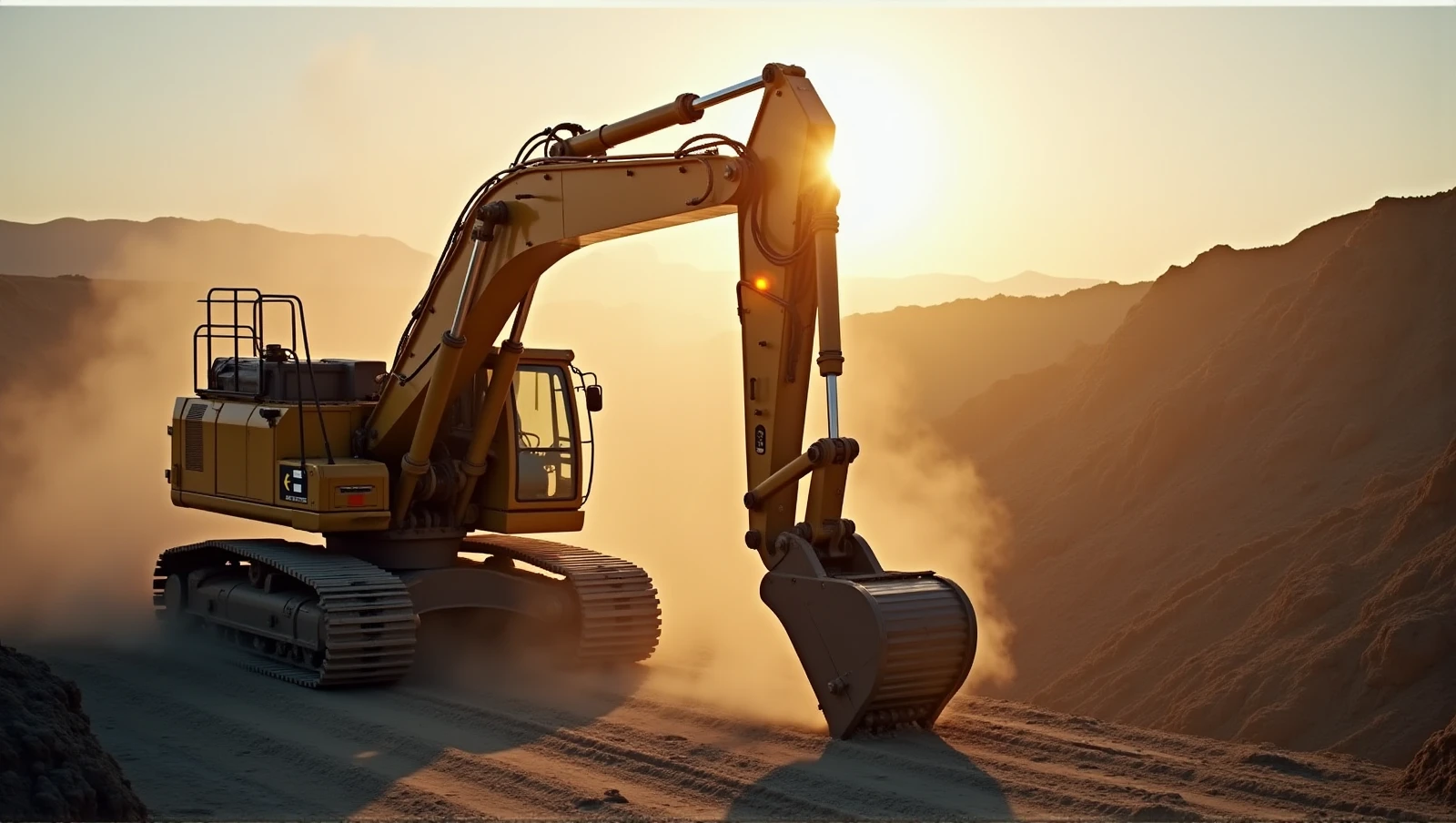
Optimizing Hydraulic Power Systems for Heavy Equipment Reliability and Safety
I've seen a hydraulic cylinder blow because someone ignored the fluid specs. It wasn't pretty. Shrapnel everywhere, downtime for weeks, and a bill that made the fleet manager sweat. Hydraulic power isn't just theory; it's the muscle behind your iron. If you don't respect the fluid mechanics, the machine will teach you a lesson you won't forget. I've spent 30 years in the field, from mining pits to construction sites, and I'm telling you now: understand your power transmission or pay the price.
The Big Picture
Hydraulic power, often called fluid power, is the transmission of power through the controlled circulation of pressurized fluid. In our line of work, this usually means a water-soluble oil or water–glycol mixture. This fluid moves to a motor that converts it into mechanical output capable of doing work on a load. Why does this matter to your bottom line? Because hydraulic power systems have greater flexibility than mechanical and electrical systems. They can produce more power than such systems of equal size.
For fleet managers, this power density means you can run heavier loads without necessarily increasing the physical footprint of the machinery. However, that pressure comes with risk. These systems provide rapid and accurate responses to controls, which is critical for precision work in heavy industrial machinery and machine tools. If your maintenance schedule doesn't account for the integrity of this pressurized circulation, you're gambling with uptime.
Key Details
Understanding the motor types is fundamental to procurement and maintenance planning. Motors in a hydraulic power system are commonly classified into two basic types: linear motors and rotational motors.
A linear motor, also called a hydraulic cylinder, consists of a piston and a cylindrical outer casing. The piston constitutes the mechanical interface across which kinetic energy from the fluid is transferred to the motor mechanism. A piston rod serves to couple the mechanical force generated inside the cylinder to the external load. You see these in brake cylinders in automobiles and control actuators on aircraft.
Field Lesson: I was on a site in Chile where a linear motor failed because the piston rod coupling wasn't inspected. The force generated inside the cylinder couldn't transfer to the load properly. The machine stalled. We lost three days of production. Inspect the rod coupling. Every time.
A rotational motor, sometimes called a rotary hydraulic motor, produces a rotary motion. In such a motor, the pressurized fluid supplied by a hydraulic pump acts on the surfaces of the motor's gear teeth, vanes, or pistons and creates a force that produces a torque on the output shaft. These are most often used in digging equipment, such as earth augers, printing presses, and spindle drives on machine tools.
Operational Impact
The choice between linear and rotational systems affects your total cost of ownership. Hydraulic power systems are extensively used in modern aircraft, automobiles, heavy industrial machinery, and many kinds of machine tools. This ubiquity means parts availability is generally good, but specificity matters. The fluid must be correct—water-soluble oil or water–glycol mixture. Using the wrong medium compromises the controlled circulation of pressurized fluid.
For maintenance supervisors, the focus must be on the interface where kinetic energy transfers. Whether it's a piston in a cylinder or gear teeth in a rotary motor, that's where the wear happens. Because these systems produce more power than mechanical or electrical systems of equal size, the stress on components is higher. Your preventive maintenance schedules need to reflect this intensity. Ignoring the fluid quality or the mechanical interface leads to premature failure.
Safety Alert: Pressurized fluid can kill. Never check for leaks with your hand. A pinhole leak in a high-pressure line can inject fluid into your skin. I've seen guys lose fingers because they wanted to feel for a leak. Use a piece of cardboard. Follow OSHA guidelines on fluid injection hazards. If a line bursts, the energy release is instantaneous.
What to Watch
Regulatory compliance regarding fluid types is tightening. The source notes the use of water-soluble oil or water–glycol mixture. Environmental regulations may shift preferences toward specific mixtures to prevent contamination. Fleet managers need to monitor EPA standards regarding fluid disposal and leakage. Additionally, as machinery becomes more automated, the demand for rapid and accurate responses to controls will increase. Your hydraulic systems must maintain pressure integrity to meet these control demands.
Keep an eye on the applications expanding in heavy industrial machinery. As digging equipment and machine tools become more sophisticated, the torque on the output shaft of rotational motors will vary. Monitoring this torque through telematics can help predict mean time between failures.
Bottom Line
Hydraulic power is the backbone of heavy equipment. It offers flexibility and power density that mechanical systems can't match, but it demands respect. Verify your fluid types are water-soluble oil or water–glycol mixture. Inspect piston rods and output shafts regularly. Don't let desk-jockey theories override field reality. If the pressure isn't controlled, the work doesn't get done. Protect your people, maintain your fluid circulation, and keep your fleet moving.


