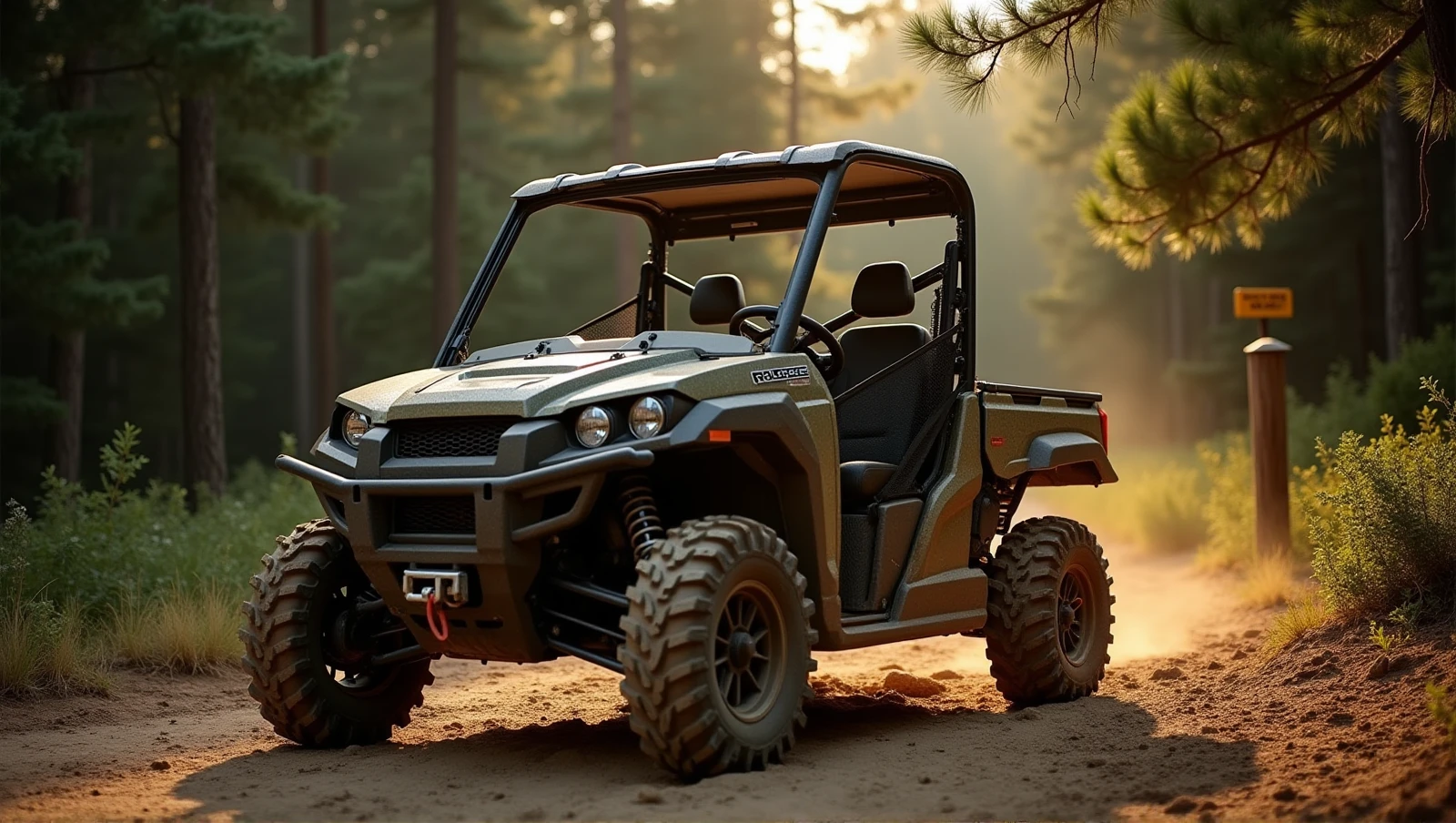
Florida National Forest OHV Compliance: Pass Costs, Trail Rules, and Fleet Liability
I remember a job site in Wyoming where a contractor lost a whole fleet of UTVs because nobody checked the land designation. They thought they were on BLM land; they were on private property with zero tolerance. Equipment seized, fines levied, contract terminated. You don't recover from that easily. I've seen this go wrong. Here's how you avoid it.
Managing off-highway vehicle (OHV) assets in federal lands isn't just about fuel and tires. It's about regulatory compliance and liability. The National Forests in Florida operate under strict USDA Forest Service guidelines. For fleet managers overseeing recreational concessions or mixed-use equipment, understanding these parameters is critical to maintaining uptime and avoiding legal exposure.
The Big Picture
The National Forests in Florida maintain nearly 300 miles of designated trail systems. These assets are designed for slow speeds to facilitate scenery viewing, wildlife appreciation, and conservation education. They are not engineered for high-stress operations like mud bogging or donuts. For a fleet operator, this dictates the type of equipment deployment allowed. High-wear activities that tear up natural resources are prohibited, directly impacting how you utilize your machinery in these zones.
The operational environment spans the Apalachicola, Ocala, and Osceola National Forests. Each presents different administrative requirements. Ignoring these boundaries turns a revenue-generating asset into a liability. Compliance isn't optional; it's a condition of access.
Key Details
Access control is managed through a pass system. Fleet administrators must budget for these per-person costs when calculating operational expenses for guided tours or rentals.
Pass Structure (Apalachicola and Ocala National Forests):
- 3-day pass: $10 per person
- 7-day pass: $25 per person
- Annual pass: $75 per person (valid one year from month of purchase)
Osceola National Forest:
- Roads open to OHVs do not need a permit and are free.
Vehicle Requirements:
- Title and Registration: The State of Florida requires OHVs to be titled for ownership determination. Riders must possess a copy of a Florida OHV registration and identification while riding. Out-of-state riders without a Florida OHV title must possess proof of vehicle ownership.
- Safety Equipment: Forest Service-approved spark arrestors are required. This is a critical maintenance item. If your exhaust system isn't certified, the machine is groundeds.
- Tire Specifications: Riders must keep tread depth to a maximum of 1 inch. This specification helps prevent soil displacement and reduces trail maintenance costs. Aggressive mud tires that exceed this limit are non-compliant.
Operational Impact
For a maintenance supervisor, the tread depth restriction is a major constraint. Standard off-road tires often exceed 1 inch tread depth. Running compliant tires may reduce traction in loose conditions but is mandatory for forest access. This affects your inventory planning. You cannot run a single tire specification across all regions if some units deploy to National Forests.
Field Lesson: I once saw a crew try to run standard knobby tires through a protected zone. The ruts they left triggered an environmental audit. The cost to remediate the trail far exceeded the price of compliant tires. Don't be that guy. Swap the tires before you enter the gate.
Labor compliance is also heightened. Riders under 16 years of age must pass an online course in OHV safety before using trails. Several state-approved agencies administer online and in-person courses, including the ATV Safety Institute which offers a free online course. All riders under 16 must carry their course certification with them at all times. Fleet managers must implement a tracking system for these certifications. Losing that paperwork is equivalent to operating without a license.
What to Watch
Regulatory enforcement is strict regarding illegal activities. The following activities are illegal in the national forests and constitute immediate grounds for expulsion or legal action:
- Cross-country travel
- Mudding or destroying natural resources
- Cutting donuts in roads
- Creating your own trails
- Riding at night
- Drinking alcohol in day-use areas
- Riding double unless the vehicle is designed for more than one passenger
- Operating a vehicle under the influence of drugs or alcohol
Safety Alert: Trails are two-way and provide a primitive trail experience. Operators must anticipate blind turns, hikers, down trees, other riders, and horses. Ride slowly. Children under the age of 16 are required to wear a helmet, goggles, and boots, attend a state-approved OHV safety course, and be supervised by an adult. Failure to enforce this supervision clause opens the operator to massive negligence claims.
Procurement needs to verify spark arrestor certification during acquisition. Not all OEM exhaust systems meet Forest Service standards without modification. Verify this spec before purchase to avoid retrofitting costs later.
Bottom Line
If you are deploying OHV fleets into Florida National Forests, your compliance checklist must include valid titles, Florida registration copies, spark arrestor verification, and tread depth measurements under 1 inch. Budget for pass costs ranging from $10 to $75 per person depending on duration. Implement a digital tracking system for youth safety certifications.
The trails are designed for conservation, not high-performance testing. Respect the 300 miles of designated trail and the speed limitations. Violating these terms doesn't just risk a fine; it risks access for everyone. Buy OHV passes online before you head out via Recreation.gov. Keep your paperwork in the glovebox, keep your speed down, and keep your equipment within spec. That's how you keep your fleet running and your liability low.