Systematic Hydraulic Pump Repair Strategies to Slash Downtime and Protect Fleet ROI
I watched a single failed hydraulic pump bring a $4 million grading operation to a dead halt for seventy-two hours. The crew tore into it with wrenches and guesswork, contaminated the system with shop dust, and ended up replacing the entire pump assembly instead of rebuilding it. The lesson wasn’t about parts; it was about process. When a hydraulic pump fails, your entire operation stops. Downtime bleeds money, emergency repairs inflate maintenance budgets, and rushed fixes create safety hazards that nobody wants to manage. This isn’t theory. It’s the difference between a controlled rebuild and a catastrophic operational standstill.
The Big Picture
Hydraulic pumps function as the central pressure generators for mobile and industrial equipment. When they degrade or fail, the downstream consequences cascade through valves, cylinders, and control systems. For fleet managers and maintenance supervisors, the priority is clear: restore uptime, control total cost of ownership, and maintain mean time between failures at predictable levels. The industry standard is no longer reactive replacement. It is systematic diagnosis, controlled rebuild procedures, and documented preventive maintenance schedules that align with OEM service intervals. A structured repair approach reduces emergency call-outs, limits fluid replacement costs, and keeps equipment compliant with site safety protocols. The bottom line is straightforward: disciplined repair processes protect production targets and stabilize maintenance budgets.
Key Details
Successful hydraulic pump repair begins with a systematic approach to fault isolation and component evaluation. The source material emphasizes identifying common failure modes before disassembly. Technicians must verify pressure output, check for internal bypassing, and inspect for cavitation damage or worn bearing surfaces. Contamination is the primary driver of premature pump failure. Particle ingress accelerates wear on pistons, swash plates, and valve plates, while degraded fluid chemistry promotes corrosion and seal deterioration.
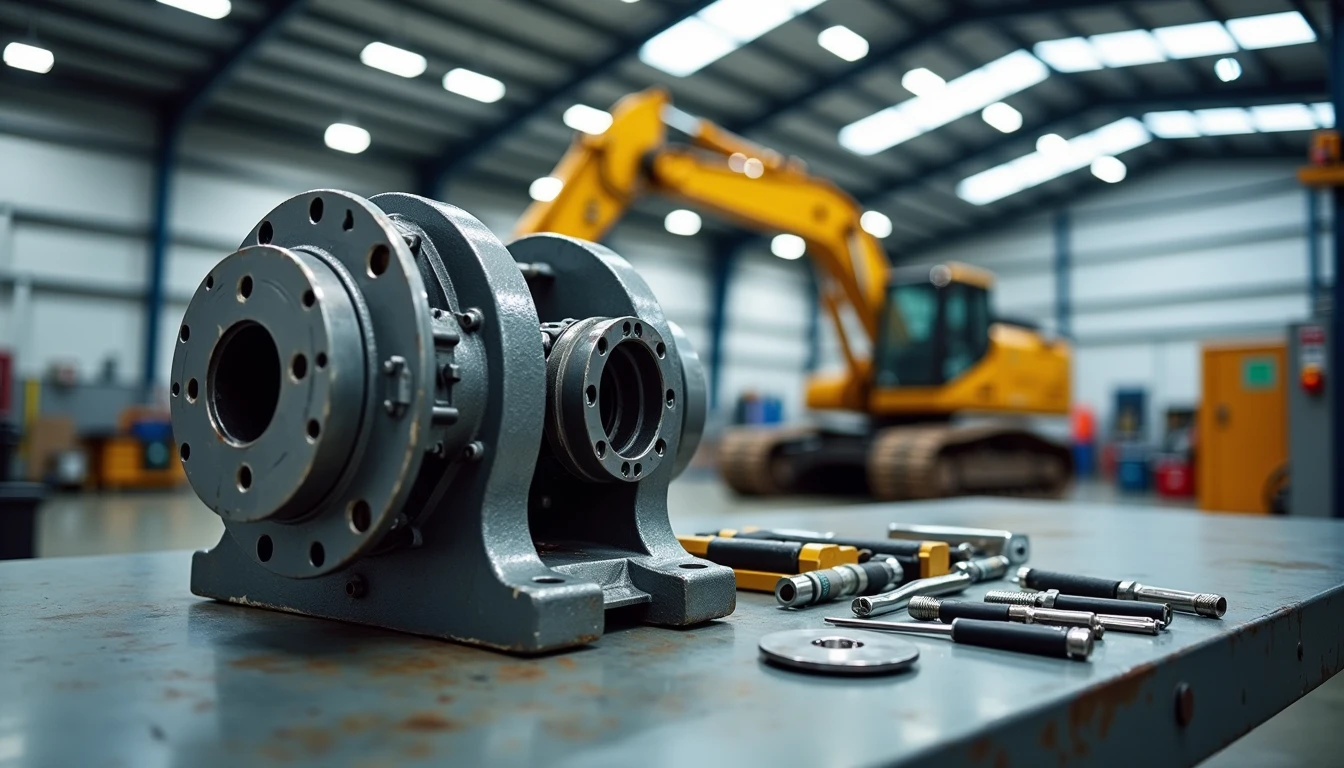
Rebuild protocols require strict environmental controls. Work must be conducted in a clean, climate-controlled service bay with lint-free wipes, sealed component storage, and dedicated cleaning stations. Every gasket, O-ring, and wear plate should be replaced according to manufacturer specifications. Cross-compatibility between OEM and aftermarket repair kits requires careful verification of pressure ratings, flow capacity, and mounting configurations. Blind substitutions introduce mismatched tolerances that trigger early failure. Technicians must follow step-by-step assembly sequences, torque fasteners to published values, and verify shaft rotation direction before system repressurization.
> Field Lesson: On a remote quarry job, a crew rushed a pump rebuild without flushing the return line. Residual sludge cycled back into the fresh assembly, scoring the new valve plate within forty operating hours. The fix took two days. A proper system flush and filter change would have taken four. Document every fluid exchange.
Operational Impact
For fleet operations, the repair methodology directly dictates maintenance scheduling and parts inventory management. Implementing a standardized rebuild checklist reduces diagnostic guesswork and shortens mean time to repair. Maintenance supervisors should track failure patterns across the fleet to identify systemic issues such as inadequate filtration, improper fluid viscosity, or excessive operating temperatures. When rebuilds are performed correctly, extended service intervals become viable, and preventive maintenance schedules can be optimized around actual component wear rather than arbitrary hour counts.
Fluid cleanliness remains the single most controllable variable. Routine oil analysis catches early degradation, allowing technicians to plan rebuilds during scheduled downtime instead of emergency stoppages. Properly executed repairs restore original flow rates and pressure stability, which improves cycle times and reduces strain on downstream hydraulic components. The operational payoff is measurable: fewer unplanned shutdowns, lower emergency parts expenditure, and stabilized equipment availability metrics.
> Safety Alert: Hydraulic systems store lethal pressure. Always follow lockout/tagout procedures, bleed accumulator circuits, and verify zero pressure before disconnecting lines. High-pressure fluid injection causes severe tissue damage and requires immediate medical intervention. Never use hands to check for leaks.
What to Watch
Regulatory compliance continues to shape maintenance workflows. OSHA standards mandate strict lockout/tagout compliance during hydraulic servicing, while EPA guidelines govern used fluid disposal and spill containment. Fleet operators must maintain documentation chains that prove proper handling, recycling, and recordkeeping. Market trends are also shifting toward predictive maintenance integration. Telematics platforms now monitor pump pressure differentials, temperature spikes, and flow efficiency in real time. Early warning algorithms allow maintenance teams to schedule rebuilds before catastrophic failure occurs. Operators adopting condition-based monitoring consistently report improved MTBF and reduced inventory carrying costs.
Bottom Line
Hydraulic pump failure is inevitable, but operational paralysis is not. Fleet managers and maintenance supervisors must enforce systematic repair protocols, mandate clean rebuild environments, and track fluid condition through routine analysis. Replace wear components according to manufacturer specifications, verify assembly tolerances, and document every step for warranty and compliance purposes. Align rebuild schedules with preventive maintenance windows, integrate pressure and temperature monitoring where available, and train technicians on contamination control. The result is predictable uptime, controlled maintenance spend, and equipment that performs within published operating parameters. Treat the pump rebuild as a controlled engineering process, not a field improvisation, and your fleet will absorb the shock when the heart skips a beat.