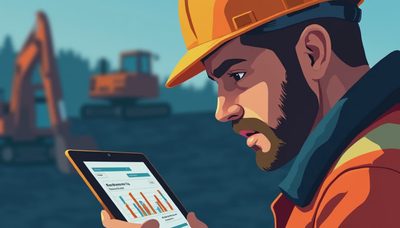
On a road project outside Perth, I watched a loader operator spend nearly an hour looking for a machine that was parked three hundred yards from the fuel tank. The loader was not stolen. It had been sent to the wrong cut, burned diesel idling, and delayed a crew waiting on aggregate. That kind of waste adds up faster than most foremen realize. GPS fleet tracking for construction gives you a live view of where equipment is, how long it has been working, and when somebody has moved it without authorization.
I am not talking about putting a shiny dashboard in the office and forgetting it. A tracker is useful only when the superintendent, dispatcher, mechanic, and owner agree on what the data means. I spent three decades around Cat machines, from D11 dozers to compact loaders, and the lesson was consistent: information is valuable when it leads to a wrench, a phone call, or a safer decision.
What a construction tracker actually monitors
A proper system uses a small telematics device connected to a machine’s electrical system, engine controller, or both. Depending on the equipment, it can report location, engine hours, idle time, movement, battery voltage, fault codes, and operating dates. Some units also capture harsh braking, geofence entries, utilization, and maintenance reminders. A basic battery-powered tracker can work on trailers or attachments, while a hardwired unit is better for excavators, loaders, and trucks that operate daily.
Location is only the starting point. If a skid steer is sitting at a jobsite for twelve hours but the engine ran for nine, you have an idle-time problem. If a dump truck leaves the approved boundary at 2 a.m., you have a security question. If a loader shows unusually low utilization for three weeks, you may have rented the wrong size machine or parked an expensive asset that another crew needs.
Field Lesson: During a rebuild program in Chile, a machine-hour discrepancy delayed service planning and pushed a hydraulic inspection past its intended interval. A technician eventually found that operators were recording estimated hours from memory. GPS fleet tracking for construction does not replace a technician’s inspection, but it gives the shop a dependable operating record.
Build the system around the jobsite, not the sales brochure
Before buying hardware, write down every machine you need to monitor. Include owned equipment, rented units, trailers, generators, light towers, and high-value attachments. Record make, model, serial number, voltage, operating environment, and whether the machine already has factory telematics. A Cat Product Link system, Komatsu KOMTRAX setup, or John Deere JDLink connection may already provide useful data. Adding a second device can create duplicate alerts and extra subscription costs.
Ask vendors about cellular coverage in pits, mountain cuts, remote subdivisions, and underground work. Many units store data and upload it later, but that does not help if you expect a live theft alert. Check the installation method, weather sealing, battery draw, warranty, and removal process when a rental goes back. A realistic hardware cost can range from roughly $100 for a simple asset tracker to several hundred dollars for a rugged, connected unit. Monthly service often falls in the $10 to $40 range per asset, depending on features and contract terms.
Do not let an installer hide the device in a place that makes maintenance impossible. Photograph the installation, label the harness, and keep the wiring away from hot exhaust components, sharp brackets, articulation points, and hydraulic lines. A failed tracker can become a nuisance; a chafed wire near a fuel system can become a fire.
Turn location data into maintenance decisions
The strongest reason to use GPS fleet tracking for construction is not watching dots move across a map. It is connecting actual use to service intervals. Engine hours should trigger oil changes, filter inspections, undercarriage checks, and planned lubrication. Distance is more useful for highway trucks than for excavators, which can work hard without traveling far. Utilization data can also expose a machine that is being overworked because the crew lacks the right attachment or capacity.
Set alerts that a real person can act on. A service reminder at 250 hours is useful. An alert every time a machine crosses a property boundary is not, especially if the crew moves between adjacent sites all day. Start with engine-hour milestones, after-hours movement, excessive idle time, and low battery voltage. Review the alerts after two weeks and remove anything nobody responds to.
Safety Alert: Never use a GPS screen as permission to approach a moving machine. A map can show position, but it cannot show blind spots, swing radius, overhead lines, unstable ground, or whether an operator knows you are nearby. Radio communication and site traffic controls still come first.
Theft prevention and insurance documentation
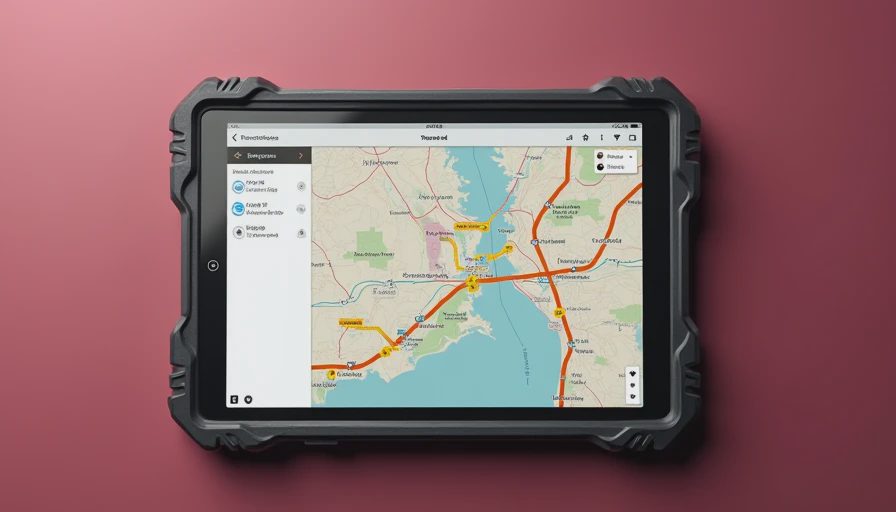
A tracker will not stop somebody from loading a skid steer onto a trailer, but it can shorten the time between movement and discovery. Create geofences around yards, jobsites, and approved storage areas. Set after-hours rules that match your actual schedule. A Sunday alarm caused by a legitimate emergency call teaches people to ignore alarms, so tune the system before you need it.
GPS fleet tracking for construction can also create a useful record after theft, unauthorized use, or an equipment dispute. Export location history, time stamps, and identification details promptly rather than assuming the data will remain available forever. Give law enforcement and your insurer the serial number, photographs, purchase information, and tracking report. The tracker itself does not guarantee coverage, a lower premium, or a successful recovery. Auto and commercial policies still depend on the policy language, vehicle classification, deductible, and facts of the loss.
For road-going pickups and dump trucks, telematics may support safer driving reviews and help document routes. Do not use that data as an excuse to pressure drivers into skipping inspections or speeding between sites. A cheap hour saved is not cheap after a collision.
Make the dashboard part of the morning meeting
The system earns its keep when somebody uses it every day. Have the dispatcher review machine locations before the first crew call. Have the shop foreman check hours due for service. Have the project manager compare idle time with the schedule. Once a week, look for assets that moved unexpectedly, sat unused, or exceeded planned hours.
Keep access limited to people who need it, and explain the purpose to operators. Workers are more likely to cooperate when they understand that the goal is theft prevention, accurate maintenance, and better scheduling rather than constant surveillance. Establish a written retention policy for location data, especially when trucks are assigned to individual drivers. Follow applicable employment and privacy requirements instead of copying a policy from another company.
A simple review might look like this: the excavator worked 42 engine hours, idled for 18, and spent two evenings outside the approved boundary. That leads to three separate actions: investigate idle practices, compare production with fuel use, and ask why the machine moved after hours. Data becomes useful when the team closes that loop.
What I would install first
For a small contractor, begin with the five assets that would hurt most to lose or replace: a skid steer, excavator, enclosed trailer, dump truck, or generator. Run the system for thirty days before equipping every broom attachment. Measure recovery time for service reminders, unauthorized movement, idle reduction, and dispatch accuracy. If the reports do not change a decision, the setup needs work.
GPS fleet tracking for construction is not a substitute for walkarounds, preventive maintenance, good locks, or a competent operator. It is another instrument, like an hour meter or oil sample, that helps you see trouble before it becomes downtime. I've seen this go wrong. Here's how you avoid it: choose equipment-compatible hardware, set a few useful alerts, protect the wiring, train the people reading the reports, and connect every alert to a specific action. That is how a tracker becomes a field tool instead of another neglected subscription.