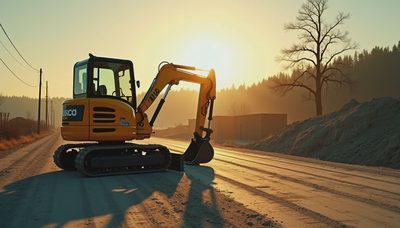
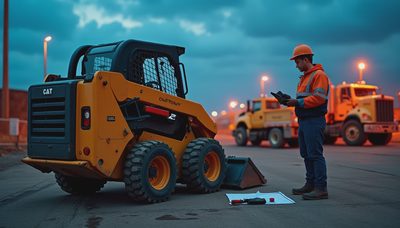
I learned the value of CMMS for heavy equipment on a copper site outside Calama, Chile. A haul truck had been running past its planned transmission inspection because the work order lived on a whiteboard, half-covered by dust. Two shifts later, the transmission oil was full of metal. The repair took nine days and tied up a truck that earned its keep every hour it moved. The lesson was simple: maintenance memory is not a maintenance system.
A computerized maintenance management system, or CMMS, puts equipment history, schedules, inspections, parts, labor, and open repairs in one place. For a small excavator fleet, that might mean fewer missed grease intervals. For a mine running 40 haul trucks, it can mean controlling thousands of service events without relying on one experienced foreman remembering everything.
What CMMS for heavy equipment should control
The first job is building an accurate equipment register. Record the machine identification number, model, serial number, engine hours, location, ownership status, and critical components. A Cat 336 excavator, for example, should not be treated as one generic asset if the hydraulic pump, swing motor, and final drives have separate service histories. The same applies to a Komatsu PC490, John Deere 850 dozer, Volvo A40 articulated truck, or a mixed rental fleet.
A useful CMMS also handles preventive maintenance by meter readings and calendar dates. Oil and filter service may be due every 500 hours, while fire suppression inspections, fluid sampling, and annual safety checks follow different intervals. The software should create the right work order automatically, show what is overdue, and identify which technician is assigned. It should also preserve the repair story after the machine returns to production.
That history matters when a hydraulic pump begins making noise at 6,800 hours. A technician can see whether the machine has suffered contamination before, which oil was installed, how often filters were changed, and whether similar units are developing the same symptom. That is far better than asking three people what they vaguely remember from last winter.

Field Lesson: paper schedules fail in the dust
At a western U.S. aggregate operation, I watched a foreman manage a loader fleet with a clipboard, three calendars, and a pocket notebook. He was capable and conscientious. The system still failed because the loader moved between pits, operators changed, and the clipboard stayed in the service truck. A 1,000-hour inspection slipped by nearly 70 hours. During the next inspection, the technician found cracked belts and a loose fan drive that could have caused a serious cooling failure.
CMMS for heavy equipment prevents that particular failure only when the setup matches the field. Operators need a quick way to report a warning from a phone or tablet. Technicians need access to manuals, inspection forms, previous repairs, and parts lists at the machine. Supervisors need a dashboard showing down equipment, overdue work, labor hours, and parts waiting for delivery. If every entry requires a desktop computer in the office, people will postpone entries until the details are gone.
Choose a system that works offline or with weak connectivity if machines operate in pits, remote roads, or underground headings. Photos are useful for damaged hoses, tire cuts, cracked welds, and leaking cylinders. A good description should say “right lift-cylinder rod wet after warm-up,” not simply “hydraulic leak.” Specific data saves diagnostic time later.
Preventive maintenance is only the starting point
The best CMMS programs connect scheduled maintenance with condition monitoring. Oil analysis, coolant testing, vibration readings, tire inspections, and telematics can all feed decisions about when to inspect or remove a component. That does not mean software replaces a skilled technician. It means the technician gets better warning and better evidence.
For example, a rising iron count in engine oil does not automatically justify an engine replacement. It does justify checking oil level, sample quality, operating conditions, blow-by, filtration, and related trends. The system can attach the laboratory report to the machine history and create a follow-up inspection. After the inspection, the technician records the finding instead of leaving the report in an email folder.
CMMS for heavy equipment should also track component life separately from machine life. A rebuilt final drive installed at 9,400 hours needs its own installation date, supplier, warranty information, and expected inspection points. When that component moves from one machine to another, the history should move with it. This is where basic spreadsheets become awkward and error-prone.
Parts, labor, and downtime costs
A repair is not complete because a mechanic closed a work order. The shop should know how many labor hours were used, which parts were consumed, whether outside support was needed, and how long the machine was unavailable. Those records reveal the expensive repeat offenders. A $40 hose that repeatedly causes a $20,000 production interruption deserves engineering attention, even if the hose itself looks inexpensive.
Set reorder points for common filters, belts, O-rings, seals, and hose fittings. Track parts by stockroom location and approved substitute. A system should show whether a part is on hand, on order, reserved for another job, or sitting in a mobile service truck. That prevents a technician from pulling a machine apart at 2 p.m. and discovering the required seal kit is three states away.
For contractors, this information also improves job costing. A skid steer that requires frequent track repairs can be compared with another unit by operating hours and site conditions. A rental manager can identify which machines produce repeated damage claims. CMMS for heavy equipment turns those observations into records that support a replacement, rebuild, or operator-training decision.

Safety Alert: software does not make a machine safe
A work order is not permission to approach an energized machine. Before inspection or repair, follow the site’s lockout and tagout procedure, control stored hydraulic energy, block raised equipment, and verify that attachments cannot move. Never trust a screen showing “machine off” as proof that pressure or electrical energy is gone. I have seen a loader bucket settle after someone assumed the hydraulic circuit was harmless.
The system should include safety steps in the work order, but the crew must perform and verify them in the field. Add required inspections for brakes, steering, backup alarms, access ladders, guarding, fire suppression, and emergency stops. If a defect creates an immediate hazard, stop the machine and escalate it. Do not keep operating because the software has not yet assigned a technician.
How to choose and launch a CMMS
Start with a pilot fleet rather than loading every asset on the first day. Pick five to ten machines with different maintenance patterns: perhaps a dozer, excavator, wheel loader, articulated truck, and service truck. Clean the asset names, confirm meter readings, enter current service intervals, and test the work-order flow with the people who will actually use it.
Ask vendors to demonstrate real tasks, not polished slides. Can an operator report a fault from a phone? Can a foreman find an overdue 2,000-hour service in seconds? Can a technician attach a photo, record a parts shortage, and close the job without returning to the office? Does the system integrate with telematics from brands such as Caterpillar, Komatsu, John Deere, Volvo, or mixed-fleet gateways? Can it export your data if you change platforms?
CMMS for heavy equipment succeeds when the field crew sees a benefit immediately. Train operators to report clear symptoms, technicians to document findings, and supervisors to review overdue work every morning. Do not measure success by the number of screens or features purchased. Measure it by fewer missed services, faster troubleshooting, cleaner parts control, and less unplanned downtime.
The practical payoff
A CMMS will not repair a failed transmission, replace a worn bucket pin, or teach an inexperienced operator to respect a blind spot. It will give your crew a reliable memory and a common set of facts. That is valuable when equipment is spread across several jobs, shifts overlap, and the person who knows every machine is on vacation or retired.
I recommend starting with the failures that hurt most: missed services, lost inspection forms, repeat hydraulic leaks, emergency parts runs, and uncertain component histories. Build the system around those problems, then expand. When a foreman can see what is due, a technician can see what happened before, and management can see what downtime really costs, CMMS for heavy equipment has earned its place in the shop.
I've seen this go wrong. Here's how you avoid it: do not buy software first and hope discipline follows. Define the maintenance process, involve the people turning the wrenches, and choose a system that works where the iron works.