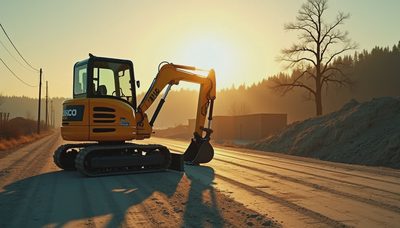
I learned construction site security the hard way on a road project outside Perth. A Cat 336 excavator sat behind a chain-link fence, its batteries isolated and its fuel tank locked. The crew thought they had covered the basics. At 3 a.m., thieves cut the fence, bypassed a weak gate lock, and drained several hundred gallons from support equipment parked outside the lighted area. The excavator survived, but two loaders and a service truck did not. Those are the kind of construction site security best practices that matter: simple controls applied consistently, not expensive gadgets installed for appearances.
After 30 years maintaining equipment on six continents, I know security is part of machine reliability. A stolen battery, cut hydraulic hose, or contaminated fuel tank can stop a project as effectively as a failed final drive. Here is how to protect iron, parts, fuel, and people without turning the jobsite into a fortress nobody can operate.
Start With a Physical Site Survey
Walk the entire perimeter before the first machine arrives. Do it in daylight, then return after dark. Look for gaps under fencing, blind corners, nearby roads, abandoned buildings, tall weeds, and places where a pickup could pull alongside the fence. Mark every access point, including temporary openings used by concrete trucks and lowboys.
Use construction fencing that is difficult to climb and anchor it properly. A six-foot fence is a starting point, not a complete answer. Where practical, install anti-climb mesh, concrete barriers, or heavy equipment as a secondary obstacle. Do not park a loader so close to the gate that a thief can use its bucket as a ramp or shield.
A proper gate needs a commercial-grade lock, protected hinges, and a closing procedure that one tired operator can follow. Cheap padlocks disappear quickly under bolt cutters. A hardened shrouded lock costs more, but replacing a $25 lock after a $15,000 theft is false economy. Photograph the fence and gates during weekly inspections so damage is documented before it becomes a larger opening.
Field Lesson: On a copper project in northern Chile, we found tire tracks stopping beside a fence where the ground looked undisturbed. The intruders had used a dry drainage ditch as a road. A berm and two steel bollards ended that route in one afternoon.
Control Who Enters and What Leaves
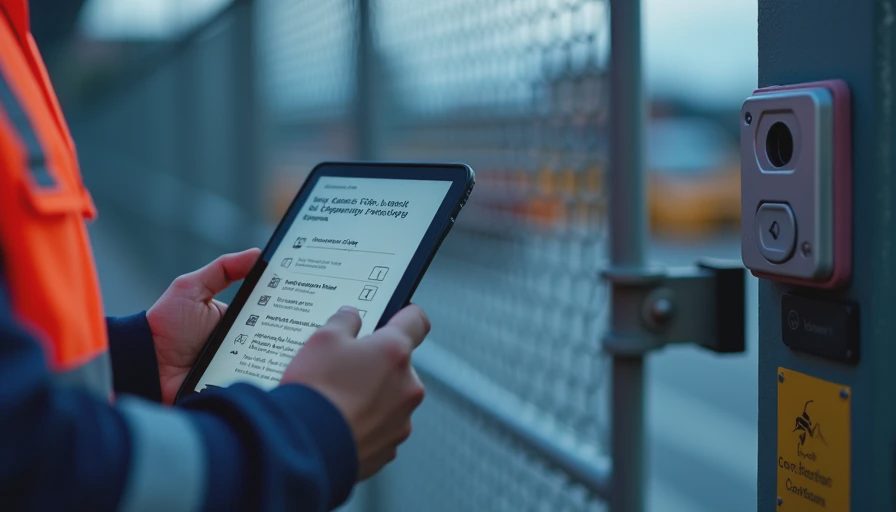
A busy site can have dozens of workers, subcontractors, delivery drivers, inspectors, and visitors in one day. Security fails when nobody knows who is supposed to be there. Use one primary entrance whenever the work schedule allows. Keep a visitor log with the person’s name, company, arrival time, host, and departure time. For larger jobs, issue visible badges or color-coded passes that expire when the assignment ends.
Do not rely on a gate guard’s memory. Give the guard a current list of approved vendors, delivery windows, and emergency contacts. Require a supervisor to confirm unusual pickups by radio or phone. A driver arriving at 10 p.m. for an unlisted load should wait outside while the order is verified, regardless of how convincing the paperwork looks.
Tools and small parts need the same discipline. Store cordless tools, GPS units, welders, diagnostic laptops, and fuel cards in a locked job box or container. Assign an inventory owner. Record serial numbers and take clear photographs. When a tool goes missing, the serial number helps police, insurers, and resale platforms identify it. Construction site security best practices are mostly about closing the small gaps that people exploit repeatedly.
Protect Machines, Fuel, and Batteries
Park equipment in a compact, visible group rather than scattering it around the property. Face cabs toward the center or toward a monitored area, and lower attachments to the ground. Remove keys, lock compartments, and use manufacturer-approved battery disconnects. On machines with electronic controls, secure access panels and avoid leaving diagnostic connectors exposed.
Fuel theft deserves special attention. Lock the fill cap, inspect the tank and hoses each morning, and record fuel levels at the end of every shift. A basic mechanical lock helps, while a tank alarm or monitored level sensor provides earlier warning. Never store loose diesel cans beside a generator or welding area. Security and fire prevention overlap here.
Batteries are attractive because they are quick to remove and easy to sell. Use locking battery boxes or tamper-resistant hardware where suitable. Keep replacement batteries inside a locked container rather than under a tarp in the service truck. Photograph equipment identification numbers, engine hours, and attachments before the job starts. Those records speed recovery and support an insurance claim if the worst happens.
Safety Alert: Never create a security measure that blocks emergency access, traps a worker, or encourages someone to climb onto a machine at night. A locked gate must still have a clearly marked emergency exit and a procedure everyone understands.
Use Lighting and Cameras With a Plan
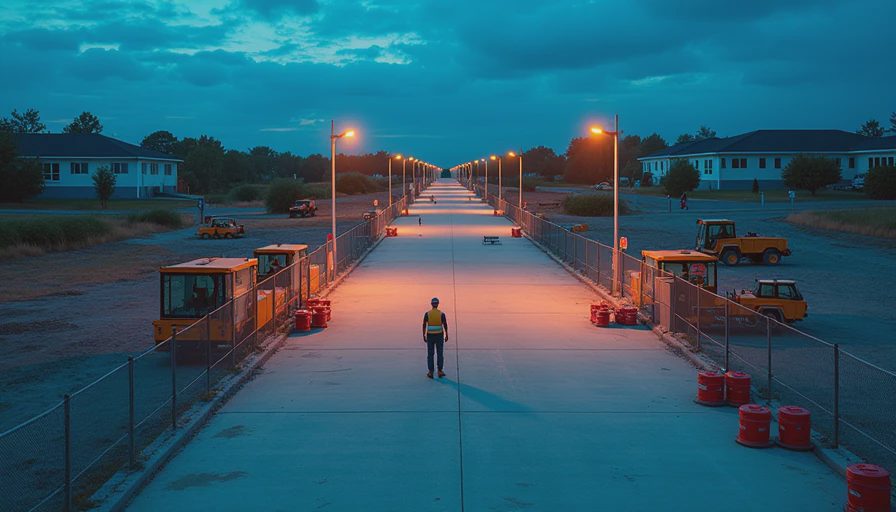
Lighting should eliminate hiding places, not simply shine at the entrance. Aim fixtures across fence lines, fuel tanks, tool containers, and machine parking areas. Keep glare out of the operator’s approach path. Motion-sensitive lights can expose movement, but continuous low-level lighting is often better for cameras and night patrols.
Cameras work when somebody reviews the alerts. Place them high enough to resist tampering, cover gates and fuel points, and check the image after installation at night. A camera pointed at a distant silhouette is not useful evidence. Use visible warning signs, but do not treat signs as protection by themselves. Construction site security best practices require a response plan: who receives the alert, who calls law enforcement, and who is forbidden from confronting an intruder alone.
Remote systems need backup power and communications. Test them during a generator shutdown and after heavy rain. Save recordings in a location separate from the job trailer. If cellular service is weak, a camera that cannot transmit an alert may provide false confidence.
Build Security Into the Daily Routine
The best system is the one a crew actually follows. Add security to the morning and evening equipment check. The outgoing supervisor should verify gates, fuel levels, batteries, attachments, containers, lights, and camera status. The incoming supervisor should compare the condition with the previous shift’s log. This takes ten minutes when the site is organized and can prevent days of lost production.
Train operators to report cut locks, unfamiliar tire tracks, missing keys, open compartments, and strange vehicles. Do not punish people for raising a concern. A near miss is useful information. Review it at the next toolbox talk and correct the weakness before somebody returns with better tools.
When a theft occurs, protect people first. Do not chase suspects or enter a dark building alone. Call law enforcement, preserve footprints and tool marks, save video, and make a written inventory. Avoid moving equipment until photographs are taken. Notify the project manager, insurer, and affected vendors promptly. Good records can mean the difference between a manageable interruption and an unrecoverable loss.
A Field-Proven Security Checklist
Before leaving each shift, confirm that every machine is parked in the planned area, attachments are lowered, keys are controlled, and battery disconnects are set. Check that fuel caps, tool boxes, shipping containers, and chemical storage are locked. Walk the perimeter, close temporary fence gaps, and test the main gate. Review camera alerts and verify that lighting covers the approaches.
Once a week, update the authorized visitor list, inspect locks for cutting marks, compare fuel usage with operating hours, and reconcile tool serial numbers. After a subcontractor finishes, recover badges, keys, access codes, and loaned equipment. Change codes when a supervisor leaves or a temporary access credential is lost.
These construction site security best practices will not stop every determined thief. They will, however, remove the easy opportunities that cause most avoidable losses. I have seen this go wrong. Here is how you avoid it: make the site difficult to enter, make equipment hard to use or remove, detect movement early, and give every worker a clear response. Iron is expensive. A disciplined routine costs far less than a stolen machine and the downtime that follows.