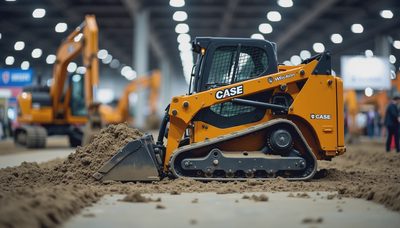
I once watched a nearly new hydraulic excavator lose its swing function halfway through a road project in western Australia. The machine had excellent paint, a clean cab, and a sales brochure full of impressive cycle-time claims. What it did not have was a properly protected hose bundle. One crushed line turned a productive shift into a long cleanup and an expensive repair. That is why I pay attention when somebody asks about the Construction Machinery Expo 2026 Northeast. A trade show is useful only if you look past the paint and inspect what keeps iron working.
If you operate, maintain, or purchase excavators, loaders, dozers, compact track loaders, cranes, or articulated trucks, an expo can compress months of research into two hard-working days. You can compare brands, sit in the cab, question factory representatives, and see attachments mounted on machines instead of in a catalog photograph. Go with a plan, though. Wandering from booth to booth collecting hats will not improve fleet uptime.
What the Construction Machinery Expo 2026 Northeast Can Show You
The best value is side-by-side comparison. A 30,000-pound excavator from Caterpillar, Komatsu, John Deere, Volvo, or Hyundai may look similar across a sales sheet, but the service details can differ sharply. Open the engine access doors. Look at filter placement, grease-point access, sight gauges, hose routing, battery isolation, and the room available for a technician’s hands. A five-minute inspection can reveal whether routine service will be straightforward or a knuckle-busting chore.
Ask each representative how the machine behaves after 5,000 hours, not just how it performs on day one. What are the common wear points? What does a replacement hydraulic pump cost? Is the software subscription required for troubleshooting? How quickly can the local dealer supply an undercarriage component or electronic control module? Answers are more valuable than polished demonstrations.
Field Lesson: On a quarry fleet I supported in Colorado, a loader that was easy to grease stayed healthier than a technically superior machine that crews struggled to service. Access is not a luxury. It affects whether maintenance happens on schedule.
Build a Practical Expo Inspection List
Before attending the Construction Machinery Expo 2026 Northeast, write down the jobs your fleet actually performs. Include material type, ground conditions, haul distance, production target, operating hours, and transport limits. A compact track loader working in wet clay needs a different undercarriage conversation than a skid steer moving pallets across a finished warehouse floor.
Bring machine-hour records from your current equipment. Note fuel use, tire or track life, hydraulic leaks, unplanned downtime, and the repairs that keep appearing on invoices. Those records give you leverage. If a salesperson promises lower operating cost, ask which assumptions support that promise and whether the estimate includes filters, tires, tracks, DEF, labor, and scheduled software service.
Take photographs of your current problem areas, provided your company allows it. A picture of a cracked lift-arm bushing or badly packed radiator can make a technical discussion much more useful. Also bring the dimensions of your gates, trailers, service bays, and storage areas. Many buying mistakes begin when a machine fits the job but not the yard.
Look Hard at Hydraulics, Cooling, and Structure
At the Construction Machinery Expo 2026 Northeast, spend time where the machine gets dirty. Inspect hydraulic lines near articulation points, boom pivots, bucket linkage, and quick couplers. The best routing leaves room for movement and shields vulnerable hoses from rock, rebar, and brush. Ask whether replacement hoses can be made locally or require a proprietary assembly.
Cooling packages deserve equal attention. Pull the screens if the display allows it and ask how easily an operator can clean the radiator, charge-air cooler, and oil cooler. A tight cooler stack may deliver excellent performance when clean, then overheat rapidly in dust. Ask about reversing fans, automatic cleaning cycles, and the alarm strategy for rising coolant or hydraulic temperature.
Check frame welds, access steps, handrails, belly pans, and guard construction. These are not cosmetic details. A bent step injures people; a weak belly pan turns routine debris into transmission damage. If a machine is displayed with the hood closed and the underbody hidden, request a proper inspection rather than accepting a guided sales walkaround.
Safety Alert: Never climb under raised equipment, enter an articulation joint, or reach near an attachment because a representative says the machine is disabled. Park on firm ground, lower implements, shut down energy sources, and follow the manufacturer’s lockout procedure.
Compare Attachments and Total Ownership Cost
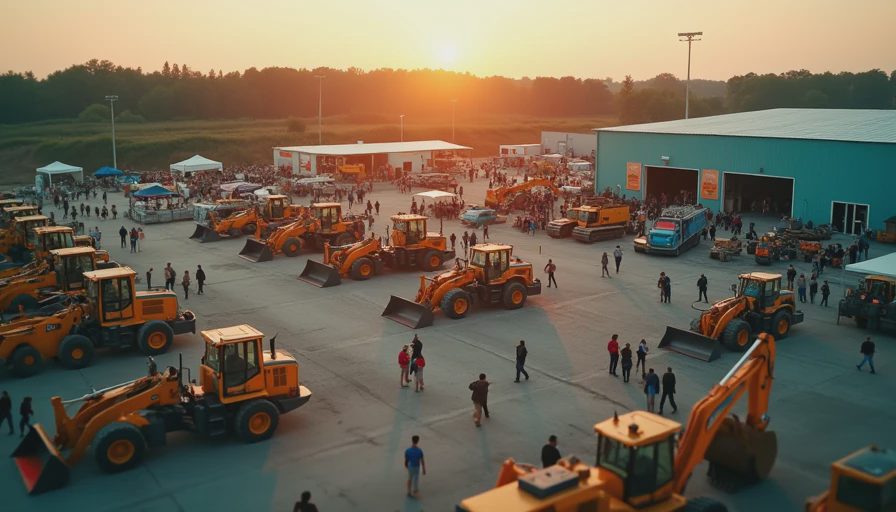
Many contractors buy a base machine correctly and then lose productivity with the wrong attachment. At the Construction Machinery Expo 2026 Northeast, test the connection between carrier and tool. Check hydraulic flow and pressure requirements, coupler visibility, electrical connections, hose protection, and whether the attachment blocks the operator’s view. A brush cutter, breaker, auger, tiltrotator, or snow blower can change the machine’s balance and service demands.
Price the complete working package. A $110,000 loader that needs a $15,000 attachment, special coupler, extra counterweight, and frequent tire replacement is not a $110,000 decision. Request line-item pricing for the machine, attachments, freight, setup, warranty coverage, planned maintenance, and training. Compare financing terms separately from operating cost so a low monthly payment does not hide a costly ownership cycle.
Ask for realistic parts pricing on filters, tracks, cutting edges, bucket teeth, tires, batteries, and common sensors. Dealer support matters, but so does your location. A strong brand with a dealer three hours away may be less useful than a slightly different machine supported by a capable branch nearby.
Talk to the People Who Repair the Iron
The most useful conversation at the Construction Machinery Expo 2026 Northeast may happen away from the main stage. Find the service manager, product support specialist, or factory technician and ask failure questions. What causes repeat downtime? Which diagnostic tools are needed? Can oil sampling, telematics, or fault-history reports help catch a problem before it becomes a component failure?
Listen for clear answers. “It depends” is reasonable when followed by conditions, test values, and a repair path. It is not useful when it replaces technical knowledge. Ask how warranty claims are handled when contamination, operator damage, or electronic faults are disputed. Get names, direct numbers, and promised follow-up in writing.
I have seen fleets spend tens of thousands of dollars chasing hydraulic contamination after a small hose failure. A clean sampling program, disciplined filter changes, and proper component flushing would have cost far less. Expo conversations should help you prevent that kind of bill, not simply justify a new purchase.
Turn the Show Visit Into a Buying Decision
After the Construction Machinery Expo 2026 Northeast, rank each machine against the same five questions: Does it fit the work, can crews service it, is parts support dependable, will it meet transport and site rules, and can the business tolerate its downtime risk? Score each answer using your maintenance records rather than sales enthusiasm.
Wait before signing if a specification is unclear. Request the operating weight, auxiliary flow range, lift charts, warranty exclusions, service intervals, and documented fuel assumptions. Have an experienced operator and technician review the proposal. They will often notice cab visibility, access, control layout, or attachment concerns that a spreadsheet misses.
The Construction Machinery Expo 2026 Northeast is worth attending when you treat it as a working inspection, not entertainment. Wear boots, carry a flashlight, ask uncomfortable questions, and look underneath the machine. I have seen this go wrong. Here’s how you avoid it: buy the equipment your crew can maintain, your dealer can support, and your jobsite can safely use.