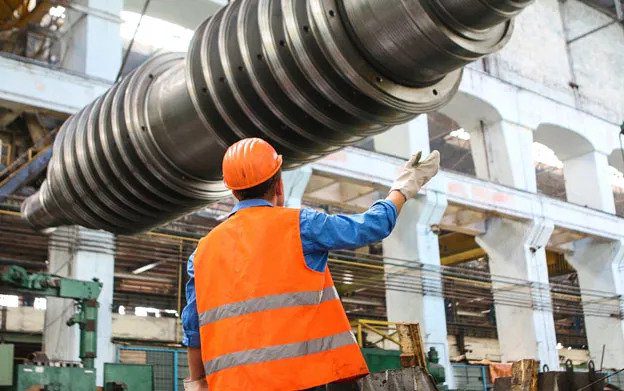
Lubricating fluids and oils are fundamental to the efficient functioning of both simple and complex systems within any industrial facility. Oil leakage, however, is an unavoidable reality of industrial operations. Regardless of severity, every oil leak demands proper attention, as the consequences of neglect can be far-reaching. Unaddressed leaks involving oil or lubricant can compromise employee health and safety, generate significant environmental damage, reduce productivity, and drive up operational costs.
Understanding the root causes of oil leaks and knowing how to locate them are essential components of effective leakage control and management. The following covers the fundamental knowledge every operator should have.
Leakage generally stems from two broad categories: the failure of fittings and seals, and oil contamination.
The operating environments of machine systems and components that depend on lubrication are inherently harsh. Elevated temperatures and pressures, mechanical vibrations, and heavy loads all contribute to the degradation of seals over time. Gaskets, fittings, O-rings, and covers serve the critical purpose of containing oil and other lubricants within the system. Because these components are manufactured from porous materials, they inevitably deteriorate, eventually permitting oil to escape through fluid transfer zones.
Oil contamination through the mixing of two or more incompatible oils is another significant source of leakage. Industrial oils consist of a base oil combined with a complex additive package. These additives serve multiple functions, including enhancing oxidation stability, preventing deposit formation, guarding against rust and corrosion, and facilitating water separation. Different application-specific oils — such as engine oil and turbine oil — rely on distinct additive systems. A frequent oversight involves using the same transport container to top off both machine types, bringing the two oil varieties into contact. Even trace amounts of one oil's additives can destabilize the other, leading to component corrosion and damage that ultimately result in oil leakage and other serious complications.
Oil leakage falls into two broad categories. Internal leakage — the first type — takes place when oil is consumed or lost within the system itself, migrating from one system or component to another without escaping externally. These leaks are typically detectable while the system is running through the use of ultrasonic equipment.
External leakage, by contrast, occurs when oil escapes the component or system entirely and is generally visible to the naked eye. In straightforward cases, visual inspection is sufficient for identification; however, when the source is difficult to pinpoint, UV fluorescent dyes are employed to trace and confirm the precise origin of the leak.
Among the most immediate consequences of an oil leak is the threat it poses to worker health and safety. This concern extends beyond the obvious hazard of slippery floors, walkways, and work areas within the facility. Left unaddressed, an oil leak can progress to component and machine failure, creating dangerous conditions for anyone operating or working near the affected equipment. The safety and well-being of personnel must remain the foremost priority in all industrial settings.
Closely linked to health and safety concerns is the environmental impact of oil leaks. Systems such as power generators, transformers, and comparable equipment are not subject to daily operator oversight, which means leaks in these areas can go unnoticed for extended periods. Should leaked oil reach a sewage system or a rainwater and snowmelt drainage network, it can result in direct contamination of water, land, and air. Industrial operations are held to strict environmental protection standards, and non-compliance can trigger severe financial penalties and legal proceedings against the responsible company — not to mention the lasting harm inflicted on the surrounding environment.
From a productivity standpoint, a leak that goes unrepaired can escalate into a critical problem capable of halting operations entirely. At a basic level, oil leakage increases lubricant consumption and, consequently, operating costs. Inadequately lubricated machinery becomes unreliable and generates problems across multiple operational levels. While seals, fittings, and O-rings are relatively inexpensive components, the associated maintenance and repair costs can be substantial. More significantly, the expense of shutting down a production line can have a pronounced impact on the overall budget. Equipment-related downtime diminishes a company's capacity to meet delivery deadlines. In a highly competitive market environment, even minor disruptions can cost contracts — and a failure to deliver on time can be far more damaging.
Although oil leaks can arise in unexpected locations, they tend to concentrate in predictable areas — specifically, the fluid transfer zones of equipment. An effective approach to locating and managing leaks involves identifying and marking the sections of a facility with the greatest leak potential. Doing so enables the scheduling of routine inspections in those zones and allows for pre-positioning appropriate response equipment. As such, the foundational step in any leak management program is the thorough cataloging and labeling of high-risk areas across the facility.
Depending on whether a leak is internal or external, either ultrasonic detection equipment or UV leak detection dyes can be employed. Ultrasonic tools are suited to identifying leaks in compressed air, inert gas, and vacuum systems, whereas UV dyes are effective for engine oil, gasoline, diesel fuel, diesel engine oil, and automatic transmission fluid systems. Once one or more leaks have been identified, repair prioritization should follow, guided by factors such as leak volume, the complexity of the repair, and the associated health and safety implications.
Oil leakage is a risk inherent to any system that requires lubrication, particularly within industrial processes operating under extreme conditions. Proper management of leaks across all volume levels is essential to preventing outcomes that threaten worker health and safety and impose financial burdens on the broader operation. A proactive, system-wide approach to leakage management enables industries to sustain optimal performance, ensure equipment reliability, minimize or eliminate downtime, and lower total ownership costs.
Keep your machinery operating at optimal levels with Valvoline™ solutions for industrial application.



No letters yet — be the first to write.