Hydraulic Troubleshooting Protocols: Maximizing Uptime and Controlling TCO in Heavy Fleets
The Big Picture
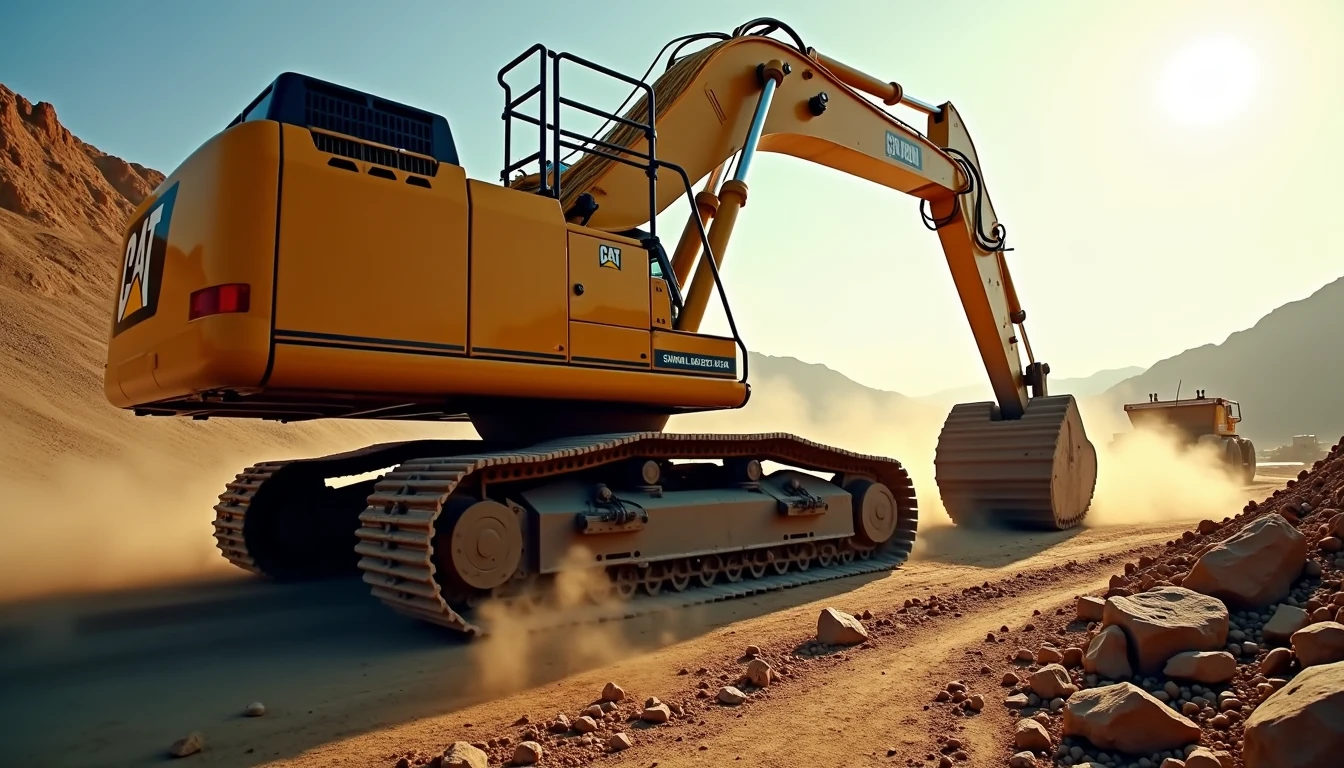
I once watched a $1.4 million hydraulic excavator sit dead on a high-altitude mine site because a night-shift tech ignored a slightly low reservoir level. The pump cavitates, the valves starve, and suddenly your prime mover is a $100,000 paperweight. Hydraulic systems are the central nervous system of heavy equipment. When they lose pressure or run contaminated, your mean time between failures collapses and your total cost of ownership spikes. Fleet managers know that unplanned downtime doesn’t just drain repair budgets—it delays project milestones, triggers liquidated damages, and exposes operations to regulatory scrutiny. Implementing a disciplined troubleshooting protocol isn’t optional; it’s the foundation of reliable preventive maintenance schedules. The following field-proven methodology translates manufacturer guidelines into actionable steps that protect your bottom line.
Field Lesson: On a remote Australian iron ore operation, we tracked a recurring pressure drop to a single frayed hose braid. The crew had been topping off fluid weekly without inspecting the routing path. Once we re-routed the line and replaced the compromised hose, system pressure stabilized and weekly fluid consumption dropped by 60%. Routine visual checks catch what fluid top-offs hide.
Key Details
Effective hydraulic troubleshooting begins with manufacturer-specified baselines. Fluid levels must be maintained within the recommended range. Operating outside these parameters directly impacts system efficiency and component longevity. Quality matters as much as quantity: degraded or contaminated fluid accelerates wear across pumps, valves, and actuators. Regular pressure monitoring using calibrated gauges provides immediate diagnostic data. Pressure readings that deviate from the specified range are early indicators of blockages, internal leaks, or insufficient fluid volume. Hoses and connections require systematic visual inspection for cracks, fraying, or bulging. These physical defects signal imminent failure points that, if ignored, trigger cascading system breakdowns. Filtration integrity is equally critical. Clogged filters restrict flow and force components to operate under excessive strain, directly reducing equipment lifespan. Operators and maintenance crews must also treat auditory cues as diagnostic tools. Knocking, hissing, or banging sounds typically indicate entrained air, bearing degradation, or mechanical misalignment. Addressing these acoustic warnings before they escalate preserves system integrity and prevents secondary damage.
Operational Impact
Integrating these troubleshooting checkpoints into daily and weekly preventive maintenance schedules directly influences fleet availability and cost control. Identifying leaks early—whether at hose fittings, seal interfaces, or reservoir connections—prevents fluid loss and stops environmental contaminants from entering closed-loop systems. Contamination control is non-negotiable; particulate ingress and fluid degradation are primary drivers of premature component failure. Fleet supervisors who enforce strict contamination monitoring protocols consistently report extended mean time between failures and reduced warranty claims. From a total cost of ownership perspective, routine filter examination and fluid replacement represent a fraction of the expense associated with pump rebuilds or full system flushes. Pressure and fluid level checks take minutes but prevent hours of unplanned downtime. When maintenance teams standardize these inspections, they shift from reactive repairs to predictive interventions, stabilizing operational budgets and improving asset utilization rates across the fleet.
Safety Alert: Pressurized hydraulic lines can inject fluid through skin on contact. Never use hands to check for leaks. Always depressurize the system, lock out/tag out energy sources, and wear ANSI-approved impact and fluid-resistant PPE before inspecting connections or replacing filters.
What to Watch
Regulatory and compliance frameworks increasingly tie hydraulic system integrity to environmental and workplace safety standards. Leaking hydraulic fluid triggers EPA spill response requirements and OSHA workplace hazard protocols. Fleets operating in environmentally sensitive zones face stricter documentation and containment mandates. Additionally, OEM specifications are tightening around fluid cleanliness codes and filtration efficiency ratings. Aftermarket filtration solutions and synthetic fluid formulations now offer extended service intervals, but they require strict compatibility verification to avoid voiding manufacturer warranties. Maintenance supervisors should monitor evolving SAE fluid classification standards and align their preventive maintenance schedules accordingly. As equipment telematics and onboard diagnostic systems become standard, pressure and fluid quality sensors will increasingly automate these troubleshooting steps, but manual verification remains essential for compliance and accuracy.
Bottom Line
Fleet managers must institutionalize a structured hydraulic troubleshooting protocol that prioritizes fluid integrity, pressure verification, and component inspection. Embedding these checks into existing preventive maintenance schedules reduces unplanned downtime, extends mean time between failures, and controls total cost of ownership. Operators should treat auditory warnings and visual leak indicators as immediate work orders, not minor inconveniences. Maintenance supervisors must enforce contamination control and filter replacement intervals to protect high-value hydraulic components. Procurement teams should align fluid and filtration purchases with OEM specifications to maintain warranty coverage and system compatibility. The discipline to troubleshoot systematically today prevents catastrophic field failures tomorrow. Keep your systems clean, your pressures verified, and your maintenance logs current. Your uptime and your budget depend on it.


