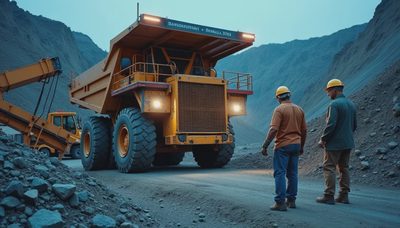
The loader had only 6,800 hours on it, but the underground heading in Western Australia was hot, wet, and full of red dust. An operator noticed the hydraulic temperature climbing and parked the machine. The crew found a return-line filter packed with steel from a failing pump. Another shift might have turned that warning into a seized pump, a disabled loader, and a long recovery through a narrow tunnel. That is the part of underground mining equipment maintenance people forget: the machine is never alone. Heat, dust, water, poor access, and limited ventilation punish small oversights.
I spent 30 years with Caterpillar field service, and I have seen expensive iron fail for a ten-dollar reason. Underground mining equipment maintenance works best when it is treated as production protection and life protection at the same time. The following routine comes from hard ground, cramped shops, and breakdowns that cost more than anyone expected.
Start Every Shift With the Machine, Not the Checklist
A checklist is useful, but it cannot replace a set of trained eyes. Before starting a loader, haul truck, bolter, or underground drill, walk the machine slowly. Look for fresh oil, coolant, or fuel on the floor. Check for damaged guards, loose fasteners, cracked welds, bent handrails, and hoses rubbing against steel. A polished inspection sheet means nothing if the operator signs it without looking behind the boom.
Check fluid levels on level ground and use the correct sampling points. Engine oil, hydraulic oil, coolant, and final-drive oil each tell a different story. Milky oil can indicate water contamination. A burnt smell or metallic sheen deserves investigation, not a quick wipe from the dipstick. Record the machine hour meter, fluid added, and abnormal noise in a shift log that the next crew can actually read.
On an underground truck, inspect tire condition, wheel studs, steering cylinders, suspension points, and brake lines. On a scoop, pay special attention to the bucket linkage and articulation joint. A loose center-pin area can develop into a steering hazard quickly. Underground mining equipment maintenance begins with catching movement, leakage, and heat before they become component failure.
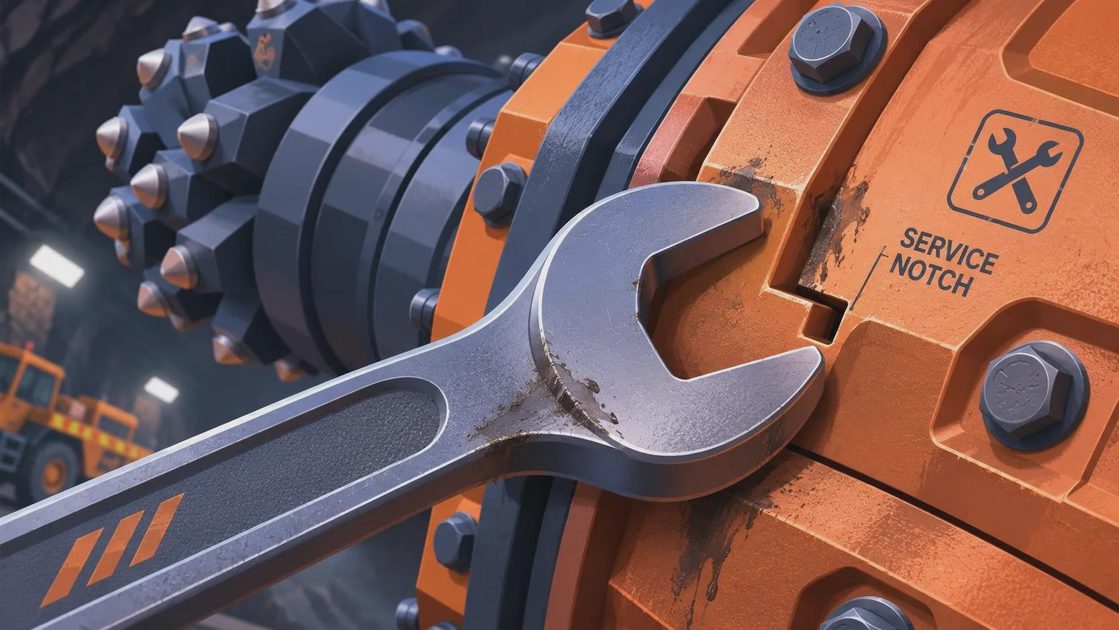
Field Lesson: At a Nevada operation, a mechanic found a small hydraulic hose rubbing on a frame bracket. The hose had not failed yet, so someone suggested watching it. We rerouted it, added proper protection, and eliminated the contact. Three shifts later, a neighboring machine with the same routing lost the hose and had to be towed. “Not leaking” is not the same as “healthy.”
Control Contamination Before It Controls You
Contamination destroys underground equipment quietly. Dust enters through damaged breathers, dirty filler caps, loose access covers, and poorly maintained air cleaners. Water enters during washdown, condensation, damaged seals, and flooded headings. Once contamination reaches a hydraulic pump or transmission, the repair bill can run from several thousand dollars to well over $20,000, depending on the component and machine.
Keep service containers closed and label every container. Never top off a hydraulic tank with an unmarked pail that has been sitting beside a diesel barrel. Use clean transfer equipment, inspect filter seals, and wipe filler openings before removing caps. A new filter installed against a dirty housing is not clean maintenance.
Oil sampling is one of the best tools in underground mining equipment maintenance because it can show wear before a failure stops production. Sample engine, hydraulic, transmission, and axle oils at consistent intervals and from consistent locations. Trends matter more than one isolated result. Rising iron, silicon, copper, or water should trigger a closer inspection, not an automatic parts order.
Safety Alert: Do not open a pressurized hydraulic line to “see where the leak is.” High-pressure oil can penetrate skin and cause a medical emergency even when the puncture looks minor. Shut down, isolate stored energy, relieve pressure according to the manufacturer’s procedure, and use cardboard or a proper leak-detection tool.
Give Heat, Brakes, and Ventilation Special Attention
Underground heat has nowhere to go. Restricted radiators, plugged coolers, slipping fans, and low coolant levels can push an engine or hydraulic system toward failure long before a warning light appears. Clean coolers with the approved method for the machine and site. Bent fins reduce airflow, while aggressive washing can drive dirt deeper or damage delicate cores.
Brakes deserve a separate inspection, especially on haul trucks working declines. Confirm brake oil levels, inspect lines and fittings, check for abnormal temperatures, and investigate any change in pedal feel or stopping distance. Do not accept a driver’s comment that the brakes “feel a little different” as normal wear. That comment is a fault report.
Ventilation also affects machine life and crew safety. Diesel particulate filters, exhaust systems, and cooling packages need inspection, while emissions systems must be serviced according to the engine manufacturer’s requirements. Underground mining equipment maintenance cannot be separated from air quality, visibility, and heat management.
Build a Maintenance Plan Around Failure Consequences
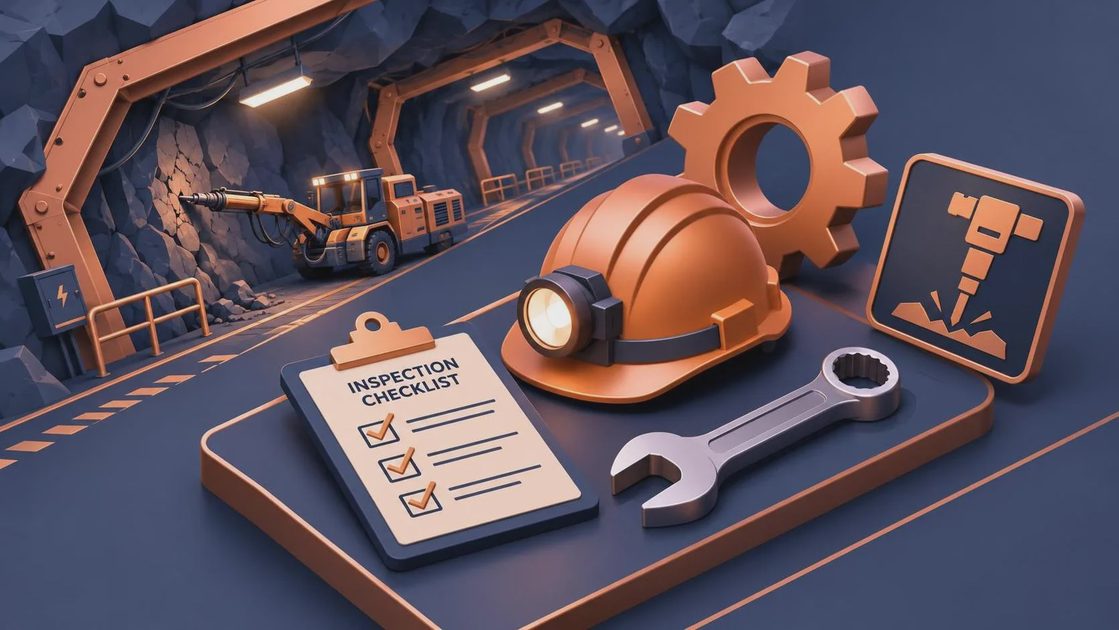
Not every component deserves the same inspection frequency. Rank equipment by what happens when it stops. A primary production loader, refuge-area support machine, and emergency response vehicle need tighter controls than a low-use utility unit. Then divide work into daily, weekly, scheduled-hour, and condition-based tasks.
Daily work should cover leaks, levels, tires, controls, guards, lights, alarms, fire suppression indicators, and obvious damage. Weekly work can include grease points, battery connections, cooler condition, hose routing, and structural inspection. At scheduled intervals, follow the service manual for filters, belts, torque checks, fluid changes, and brake testing. Condition monitoring adds oil analysis, temperature trending, vibration checks, and pressure tests where the site has the equipment and trained people to use it.
Track planned hours against actual hours. A machine that runs double shifts can reach a service interval before the calendar on the shop wall suggests it. Use a backlog board with three categories: safe to operate, operate with a controlled restriction, and remove from service. This prevents a serious defect from hiding among routine work orders.
Know When to Stop and Call the Shop
Some repairs belong to qualified technicians with the correct tooling. Stop the machine for low brake pressure, steering faults, uncontrolled hydraulic movement, cracked lifting structures, repeated high-temperature alarms, abnormal drivetrain noise, or metal found in a filter. Do not send an operator back underground after clearing a warning code if the original cause has not been found.
A proper failure report includes the machine model, serial number, hour meter, operating conditions, warning codes, recent work, fluid added, and exactly what the operator heard or felt. “Won’t move” is weak information. “Moves cold, loses drive after 20 minutes, transmission temperature rises, and reverse is worse than forward” gives a technician a starting point.
I've seen this go wrong. Here's how you avoid it: make reporting easy, reward useful defect reports, and never punish an operator for parking a machine with a legitimate safety concern. Production pressure is real, but a damaged machine can cost a shift, a week, or a life.
The Field-Proven Routine That Pays Back
Good underground mining equipment maintenance is not glamorous. It is clean sampling equipment, correctly torqued fasteners, protected hoses, documented inspections, and a mechanic willing to investigate a small change. It is also a supervisor asking whether the repair fixed the cause or merely cleared the symptom.
At the end of each month, review repeat failures by machine and component. If the same hose fails three times, change the routing or protection. If filters plug early, investigate the air path and service conditions. If brakes run hot on one decline, review loading, speed control, cooling, and brake adjustment rather than blaming the component.
The strongest mines I visited did not avoid every breakdown. They shortened the time between the first warning and the right repair. That is the real measure of underground mining equipment maintenance: safer starts, fewer surprise recoveries, and machines that earn their keep shift after shift.