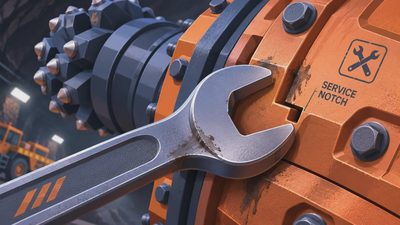
A wet hydraulic hose on a muddy excavator is easy to dismiss until the leak gets worse under load. That's a familiar field problem, and the lesson applies to Komatsu equipment as much as any other iron: shut down, make the machine safe, and find the source before putting a hand near it. Komatsu builds machines for jobs ranging from trenching to mining; the right choice and the right maintenance plan depend on the work, the local dealer, and the individual machine's condition.
What Komatsu equipment is built to do
Komatsu is a Japanese manufacturer of construction and mining equipment. Its lineup includes hydraulic excavators, crawler dozers, wheel loaders, motor graders, and large mining trucks. A contractor digging foundations has different needs from a mine moving overburden around the clock, so don't judge the whole brand by one machine.
The Komatsu PC excavator family is a place to start for digging and lifting work; match the particular model's operating weight, reach, and rated lift capacity to the job. D-series crawler dozers suit pushing, spreading, and grading. WA-series wheel loaders are worth a look for loading trucks and handling stockpiles. Model configurations vary, so pull the specification sheet for the exact machine rather than assuming every member of a family is equipped alike.
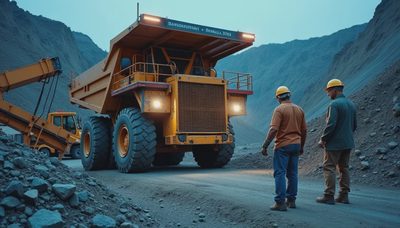
For mining, Komatsu also builds large haul trucks and loading equipment. On that end of the scale, the purchase decision isn't just about payload. Shop capacity, tire supply, haul-road conditions, and the dealer's ability to support a fleet can make or break availability.
Field Lesson: A machine that's well matched to the material and supported locally can be a better buy than a larger machine that spends its life waiting on parts. Ask the people who will operate and maintain it before signing the paperwork.

Start the inspection at ground level
On a used Komatsu machine, begin with a walkaround before the engine starts. Look for fresh fluid on the ground, damaged guards, loose fasteners, cracked welds, and hoses rubbing against steel. Fresh paint around a repair isn't proof of trouble, but it is a reason to ask what happened and examine the work closely.
On a crawler, inspect track chains, rollers, idlers, sprockets, and track shoes together. Uneven wear can point to alignment problems or operating habits that deserve a closer look. Track adjustment matters too, but the correct setting and inspection procedure depend on the machine and conditions. Use the applicable manual; don't tighten a track by guesswork.
On a wheel loader, look at tires, rims, articulation area, loader arms, and bucket cutting edges. On an excavator, inspect the boom, stick, bucket linkage, and swing area for damage or excessive play. Have a qualified technician assess anything structural. A crack near a heavily loaded pin joint isn't a cosmetic issue.
Service records matter as much as the hour meter. Compare recorded hours and dates, look for documented oil and filter changes, and ask about major component repairs. Missing records don't automatically condemn a machine, but they raise the value of a professional inspection and a realistic repair allowance.
Hydraulic leaks and slow operation
A slow attachment doesn't automatically mean the pump is worn out. Low fluid, restricted filters, a control issue, a cylinder problem, or a weak pump are among the possibilities. Note whether the problem affects one function or several, whether it changes as the oil warms, and whether a warning appears. That information gives the technician a direction without turning the parts counter into a diagnostic tool.
Safety Alert: Hydraulic fluid under pressure can penetrate skin and cause a serious injury, even through a small opening. Never search for a leak with your hand. Shut down, lower attachments, isolate the machine, and relieve stored pressure using the manufacturer's procedure before inspection or repair. If fluid injection is suspected, seek emergency medical care immediately and tell the medical team what happened.
A hose that has burst or is rubbing through needs more than a wipe-down. The replacement must meet the machine's pressure and application requirements, and it must be routed and secured so it won't rub or stretch through the full range of motion. A qualified hydraulic shop can make the assembly and investigate recurring failures.

Fluids, filters, and warning signs
Use the Komatsu operation and maintenance manual for the exact model and serial number to identify fluid specifications, filter requirements, and service intervals. Severe dust, heat, cold, and long idle periods may affect the maintenance plan. Don't substitute a fluid solely because its container looks similar; confirm the specification and the component it is intended to serve.
Oil sampling can help track changes in condition, particularly on expensive engines, transmissions, and final drives. A single result is a clue, not a complete diagnosis. Consistent sampling points and intervals make trends more useful, and the lab needs to know whether the oil or component has recently been changed. An abnormal report should lead to follow-up inspection, not an automatic teardown.
Watch for changes an operator can describe: a new whine, slower cycle times, rising temperature, repeated warnings, or unusual debris in a filter. Record when the symptom occurs and what the machine was doing. Then park it if continued operation risks a larger failure or anyone's safety.
Field Lesson: The useful report isn't simply 'it runs hot.' It's which temperature warning appeared, what load the machine was carrying, and whether the cooling package was visibly obstructed. That gives the shop something to work with.
Dealer support and when to call the shop
Before buying Komatsu equipment, ask the local dealer how service coverage works at your site. Find out about field-service travel, diagnostic support, common wear parts, and lead times for the components your operation can't afford to wait on. Get answers for the specific model and location, not a promise about the brand in general.
Call a qualified shop for structural cracks, unexplained pressure loss, recurring overheating, or fault codes that return after the basic checks in the manual. Don't bypass a safety device or keep resetting a warning to finish the shift. A parked machine costs money; an injured person or a destroyed component costs far more.
If you're evaluating a used machine, arrange an independent inspection and a supervised operating check before committing. Bring the serial number, service history, and a list of the work you expect it to do. Good iron earns its place by doing that work safely and being repairable when the inevitable wear shows up.