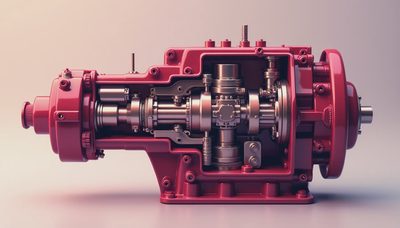
Hydraulic systems form the backbone of an enormous range of machinery, spanning industrial equipment and vehicles alike, and are fundamental to enabling motion and function. Think of them as the quiet workhorses of mechanical engineering—operating in the background to keep everything performing smoothly and efficiently, ultimately simplifying and enriching our daily lives.
Let us dive into the complex world of hydraulic systems, examining how reliability can be strengthened through thoughtful oil selection, consistent maintenance habits, and the adoption of premium products. Whether you are a seasoned mechanic, a practicing engineer, or simply someone fascinated by machinery, the goal here is to offer guidance that is both informative and actionable.
Before going deeper into the topic of hydraulic system reliability, it is important to establish a solid understanding of what hydraulic oil is and the role it plays. In hydraulic machinery and equipment, hydraulic oil is an essential medium through which power is transferred in the form of fluid pressure.
Beyond power transmission, hydraulic oils also serve to lubricate the moving components within a system, reducing friction and minimizing wear and tear. They additionally function as a sealant to limit leaks, and assist with temperature regulation by dispersing the heat generated during operation.
Hydraulic oil is a versatile fluid that must satisfy a broad range of specifications to perform properly. Several distinct types of hydraulic oil exist, each engineered with particular properties to address the demands of different systems. To illustrate this diversity, there are even specialized products such as tractor hydraulic oil, which is distinctly formulated to handle the rigorous demands of tractors and comparable equipment, ensuring stable operation across varying conditions.
Mineral-based hydraulic oils are refined from crude oil and represent the most widely used category in hydraulic systems. They deliver reliable lubrication performance and thermal stability while remaining relatively cost-effective. That said, their operational temperature range is limited, and their vulnerability to oxidation and viscosity shifts can make them unsuitable for extreme environments.
Synthetic-based hydraulic oils are entirely engineered compounds, designed to deliver superior performance across a broad temperature spectrum. They provide outstanding thermal stability, strong oxidation resistance, and a high viscosity index, making them well-suited to high-pressure and high-temperature applications. Although their price point is higher than mineral-based alternatives, their longer service intervals and enhanced performance characteristics often make them a worthwhile investment in demanding settings.
Vegetable-based hydraulic oils originate from plant-derived oils and are biodegradable, positioning them as an environmentally responsible choice. They feature a high viscosity index and excellent lubricity, delivering effective lubrication that curtails wear within hydraulic systems. On the downside, their tendency to oxidize more readily gives them a shorter shelf life, often necessitating more frequent replacement and closer monitoring than mineral or synthetic alternatives.
The density of hydraulic oil is a primary consideration, given its influence on flow rate and the system's capacity to manage pressure. Different hydraulic applications typically call for oils of varying densities to align with operational requirements and uphold system integrity. A solid grasp of hydraulic oil density and what it means in practice is essential when selecting the right oil for a particular hydraulic system.
Viscosity describes the oil's resistance to flow and shear—in simpler terms, how thick it is. It is a decisive factor in how well the oil lubricates and seals the hydraulic system's components, with direct consequences for overall efficiency and service life. Choosing hydraulic oil with the appropriate viscosity for the specific system and its operating conditions is critical, as it directly shapes performance, wear protection, and energy consumption.
Hydraulic oils incorporate additives designed to boost their effectiveness. These additives form a reactive layer on surfaces to prevent direct metal-to-metal contact. Anti-wear additives fall into two categories: Zn-based and Zn-free. The former is more commonly used, while the latter offers a more environmentally conscious option. Investing in hydraulic fluids that also include rust inhibitors is equally important, as these create a thin protective layer on metal surfaces to combat corrosion. Valvoline Ultramax hydraulic oils are premium, multipurpose, heavy-duty hydraulic fluids formulated with high-performance anti-wear additives engineered to withstand extreme temperatures. This makes them suitable across a wide range of industries, from earthmoving to road building.
When oxygen interacts with oil, it can generate acidic byproducts that compromise oil stability—a process known as oxidation. For this reason, selecting thermally stable hydraulic oils is essential. The rate of oxidation is influenced by multiple variables, including water content, metal surfaces, pressure, temperature, and the presence of contaminants.
To secure the reliability of a hydraulic system, the following essential steps should be observed:
Choosing high-quality hydraulic oil is the most critical first step in achieving hydraulic system reliability. The caliber of the oil fundamentally determines the system's performance, efficiency, and operational lifespan. Premium oil delivers optimal lubrication, minimizing friction between moving parts and preventing premature deterioration. Thorough research into oil specifications—encompassing viscosity, thermal stability, and compatibility with system components—is essential to ensure alignment with both operational needs and environmental conditions. Properly formulated oil also supports system cleanliness, guards against contamination, and enables consistent, efficient power transmission across the system's service life.
A rigorous, disciplined maintenance approach is the foundation of hydraulic system reliability and peak performance. Routine inspections should evaluate oil condition and the wear status of hydraulic components, enabling timely interventions and part replacements. The maintenance program should include monitoring both the cleanliness and density of hydraulic oil to confirm it remains free of contaminants and within recommended parameters. Regularly replacing filters is crucial to preserving oil purity and preventing the buildup of impurities that can cause blockages and system failures. Consistent maintenance supports early identification of emerging problems, helping to avoid unexpected breakdowns and prolong the system's operational life.
Tracking and maintaining correct oil levels within the system are essential to preventing cavitation, aeration, and other operational anomalies. Periodic checks and level adjustments ensure that adequate fluid is always present to lubricate, cool, and seal the system effectively. Combining premium oil with regular monitoring sustains optimal viscosity and fluid condition, enabling smooth flow and effective power transmission. Proper oil level and quality management is key to protecting system functionality, reducing unnecessary component wear, and preserving overall performance and integrity.
Deploying real-time monitoring systems can provide valuable insight into ongoing operations and the internal conditions of the hydraulic system. This makes it possible to detect irregularities in pressure, temperature, and flow rate early, allowing corrective measures to be taken before significant damage occurs. Consistent monitoring also reveals behavioral trends and patterns within the system, supporting predictive maintenance strategies and reducing the risk of unplanned downtime. A thorough understanding of how each component and the system as a whole functions enables operators to optimize performance and safeguard the longevity of the hydraulic system.
Verifying that every hydraulic system component is compatible with the selected hydraulic oil and with one another is essential to prevent adverse interactions and accelerated wear. Compatibility must be confirmed for everything from seals to hoses, checked against both the hydraulic oil specifications and the prevailing operating conditions. This evaluation should not be confined to the initial design phase—it must be an ongoing process, particularly during modifications, component replacements, or system upgrades. Thorough compatibility assessments ensure seamless integration and co-functioning of components and oil, preventing failures and leaks while supporting coherent and dependable system operation.
Committing to continuous learning and knowledge development ensures that all stakeholders—from operators to maintenance technicians—share a consistent understanding of the hydraulic system's operational protocols and maintenance requirements. This alignment in knowledge and practice is essential for achieving operational excellence, maximizing reliability, and ensuring effective collaboration between human expertise and technology within the hydraulic environment. By cultivating a culture of learning and knowledge exchange, organizations can meaningfully improve their hydraulic system's reliability, longevity, and overall output.
The importance of hydraulic oil quality cannot be overstated, given the multifaceted and critical roles it plays in the system's operation, protection, and efficiency. The following is a detailed examination of why hydraulic oil quality is unequivocally important:
Premium hydraulic oil is essential for delivering superior lubrication between a system's moving parts. By forming a protective film, it substantially reduces metal-to-metal contact and lowers friction, thereby preventing wear. This reduction in wear translates directly to longer component life, lower maintenance demands, and reduced downtime, supporting sustained operational efficiency.
Hydraulic oil is the lifeblood of any hydraulic system, transferring power by converting mechanical energy into hydraulic energy. Oil quality has a direct bearing on the efficiency of this power transmission. High-grade hydraulic oils ensure optimal flow characteristics and steady power transfer, improving system responsiveness and overall efficiency—a particularly important factor in high-precision applications.
Premium hydraulic oils possess superior thermal stability, allowing them to preserve their integrity and perform reliably across a range of temperature conditions. They facilitate heat dissipation within the system, guarding against overheating and maintaining a stable operating temperature. This capability is vital for preventing oil degradation, sustaining viscosity, reducing the risk of component failure, and ensuring the continuous, smooth operation of any machine.
Quality hydraulic oils are engineered to resist both oxidation and contamination, keeping the system clean by carrying contaminants to the filters. A cleaner system reduces the chances of blockages and supports the smooth functioning of valves and other components. The oil's capacity to remain pure is critical for preventing corrosion and abrasive wear throughout the hydraulic system.
High-quality hydraulic oils are developed with sophisticated additive packages that ensure compatibility with seal materials, preventing seal shrinkage or softening. This compatibility is fundamental to preserving sealing surface integrity and avoiding leaks. Maintaining seal integrity is essential for sustaining system pressure and blocking contaminant ingress, thereby ensuring long-term reliability.
A hydraulic oil's ability to sustain its viscosity under varying operating pressures and temperatures is critically important. Quality hydraulic oil demonstrates excellent viscosity retention, enabling free fluid flow, minimizing energy losses, and ensuring adequate lubrication of all components—even under extreme operating conditions.
Quality hydraulic oils, including those available from Valvoline, are typically formulated with advanced additive packages that deliver anti-wear protection, oxidation resistance, and corrosion defense, contributing to the overall robustness and resilience of the hydraulic system.
It follows, therefore, that using the correct type and grade of hydraulic oil in accordance with the system's specifications is essential to sustaining reliability.
In summary, hydraulic system reliability is fundamental to achieving optimal performance and long service life. By understanding hydraulic oil—its types, density, and specifications—you can identify the most appropriate oil for your machinery. Regular maintenance, active monitoring, and careful component compatibility checks are equally vital to the health of your operation. Choose Valvoline for quality, innovation, and a comprehensive product range designed to meet your hydraulic system requirements, ensuring peak operation and an extended service lifespan.
Valvoline is a byword for quality and innovation, offering a portfolio of hydraulic oils that surpass industry standards. Valvoline's hydraulic oils are carefully engineered to address the diverse needs of various hydraulic systems, delivering optimal performance, protection, and dependability.
With Valvoline, you can expect: