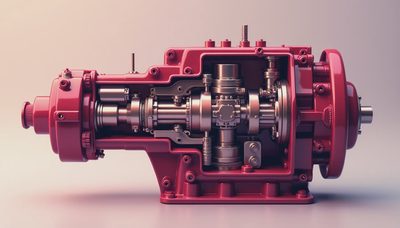
In 2009 I was on a gold mine in West Africa when a haul truck started slinging hydraulic oil out of the rear housing. The young tech had watched a video on hydraulic pump seal replacement step by step and was confident. He tore the pump down in a dusty lay-down yard, swapped a cheap seal kit he'd sourced online, and had it back together by dark. On the first start, the shaft seal blew out in under two minutes. The pump hammered, the piston bores scored, and the truck was down for a week while we flew a replacement in from Accra. That was the day I learned to figure out why the seal failed before touching a wrench.
Why Pump Seals Fail Before Their Time
The most common killer of hydraulic pump seals is contamination. Dirt, water, and fine sludge score the shaft surface, chew into the lip, and create a path for fluid to escape. On that site, a monthly oil sample caught iron particles at three times the limit because a collapsed return filter bypassed unfiltered oil.
Heat is close behind. When a machine sits at high idle for hours or runs with a clogged cooler, the seal lip loses its resilience. A soft, cooked seal will crack and spiral on the shaft. And a wrong seal material is a common shortcut mistake. A standard Buna-N seal may handle mineral oil at 180 degrees, but a high water content fluid will swell it and turn it into paste.
Field Lesson: Always take a photo of the shaft before you pull the seal. If you see a groove or a discolored band, that seal didn't fail by itself; the shaft or the bearing is damaged. If you ignore that and just install a new seal, you're burning your time.
What You Need Before You Start
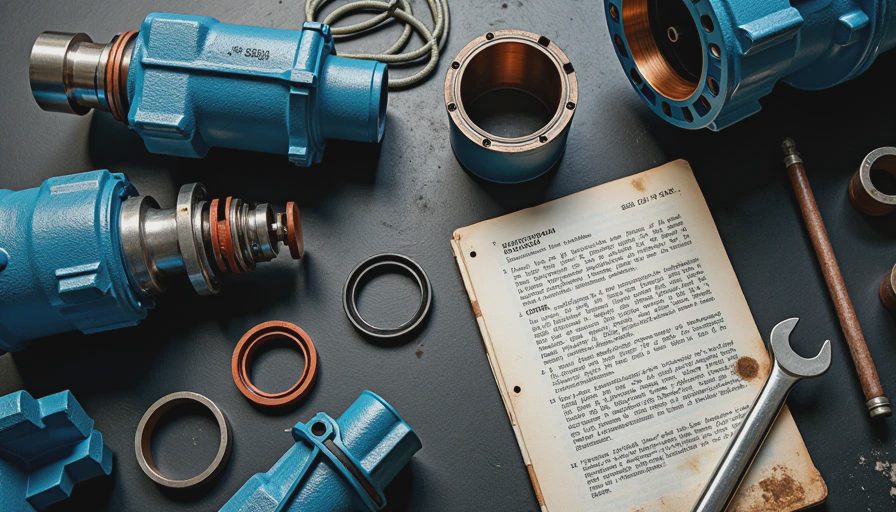
Before you tear into a hydraulic pump, gather the manufacturer's service manual, an OEM seal kit, an inch-pound torque wrench, a micrometer or calipers, a seal driver set, and a clean bench. A seal kit for a typical excavator main pump runs $85 to $200; a haul truck pump can run $400 or more. Skip the no-name kits. Use factory seals or known brands like Parker or Eaton, and confirm the part number before you order.
Hydraulic Pump Seal Replacement Step by Step
Here is the sequence I've used on six continents. It only works if you treat every surface like it's about to go into surgery.
First, relieve all system pressure. Lower the bucket, shut off the engine, and move the pilot lever to bleed trapped pressure. Safety Alert: A pressurized line can inject oil into your skin. Tag every hose before disconnecting it and cap the ports.
Support the pump and unbolt it. Note the rotation direction and key position. Wipe the housing with solvent before opening it. Any dirt that falls inside becomes lapping compound.
Pull the shaft out slowly, keeping it square. Run a micrometer over the sealing surface. If you see more than 0.002 inch of wear, the shaft needs to be ground and sleeved before a new seal can work.
Use a proper seal puller to remove the old seal. Never use a screwdriver on the bore. Clean the bore and wipe the new seal lip with clean hydraulic fluid. Press the seal in square with a seal driver and seat it to the bottom.
Reassemble the pump in reverse, torquing every fastener to spec. Fill the inlet port with oil and rotate the shaft by hand. A dry start can seize the rotating group and blow out the fresh seal.

How to Test Your Work
You aren't done when the bolts are tight. Run the machine through a full warm-up and cycle every function. Watch for whine, air bubbles, and seal plate leaks. If you have a case pressure test port, compare it to spec. Most pumps hold 20 to 50 psi at high idle. A spike means a restriction or damaged internal ring that will push out the shaft seal.
Field Lesson: On a copper mine in Chile, a rebuilt pump blew its shaft seal twenty minutes into a loaded cycle after passing a low-idle test. The case drain hose was kinked under the bracket. The short test missed it. Run the machine under load before you call it fixed.
Common Mistakes and When to Call a Shop
The biggest mistake is skipping the root cause. A seal that leaked at 5,000 hours didn't leak for no reason. If the fluid is contaminated or the shaft is worn, your new hydraulic pump seal replacement step by step work won't last a month. Also, don't use grease on the seal lip; it washes away and leaves the seal dry. A light coat of clean hydraulic fluid is all you need.
If you find heavy scoring, metallic chunks in the housing, or a bent shaft, stop. That's a full rebuild, not a seal job. A hydraulic shop will bench-rebuild a gear pump for around $250 to $700 and a piston pump for $800 to $2,500. That's cheaper than the cost of a failed field repair and a second pump.
The Bottom Line
Hydraulic pump seal replacement step by step done right comes down to cleanliness, torque, and honest inspection. I've seen this go wrong. Here's how you avoid it: take it slow, use the right seal kit, and never install a new seal on a shaft that tells you it's tired. Test under load, and you'll keep your reputation intact.