
I watched a 45-ton excavator go dead on a copper job in Chile because somebody guessed at the problem and ordered parts before doing basic pressure checks. The machine had weak travel, slow boom lift, and a howl from the pump case. They called it a valve issue. It was not. The main pump was eating itself from contamination, and by the time we opened it up, the rotating group had already marked the housing. That is how **hydraulic pump repair** gets expensive in a hurry. I've seen this go wrong. Here's how you avoid it.
If you run excavators, loaders, dozers, or drills, you need a simple truth burned into your head: a hydraulic pump rarely dies alone. Something upstream or downstream usually helped kill it. Dirty oil, aeration, wrong viscosity, suction leaks, plugged case drains, misadjusted reliefs, or a worn coupling can all set the stage. Good hydraulic pump repair starts with diagnosis, not with a parts cart.
Start with symptoms, not assumptions
The first job is to identify what the machine is actually doing. Slow functions at all temperatures point one way. Strong when cold but weak when hot points another. Noise at startup can suggest cavitation or air ingress. Metal in filters tells a different story than a clean filter with poor response. I always start with operator complaints, then confirm them with pressure, flow, and case drain checks.
Field Lesson: on a Cat 349 I worked on in Nevada, the complaint was "no power." The pump was blamed for two days. The real problem was a relief valve hanging partially open after trash got into the circuit during a hose change. The pump got hot because it was working against a bad system condition. If we had swapped the pump first, we would have cooked the replacement too.
Safety Alert: before any testing, lower implements, release stored pressure, lock out the machine, and use proper rated gauges and hoses. Hydraulic oil under pressure can inject through skin and cost someone a hand.
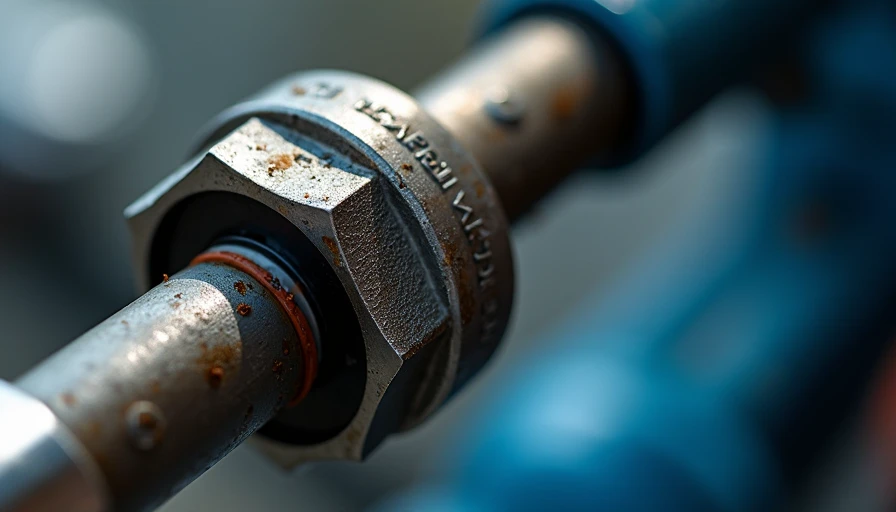
Common failure modes in hydraulic pump repair
Most hydraulic pump repair work comes back to a handful of repeat offenders. Contamination is number one. Fine metal, dirt, and hose debris score pistons, barrel faces, wear plates, and bearings. Once clearances open up, internal leakage rises and performance drops fast. Heat is another killer. Overheated oil loses lubricity, seals harden, and rotating parts scuff.
Then there is aeration and cavitation. Aeration means air is entering the oil, often through suction side leaks, low reservoir level, or foaming fluid. Cavitation is different: the pump is starved for oil and vapor bubbles collapse inside the pump, eroding surfaces and making that sharp gravelly sound every good mechanic learns to hate. I have also seen plenty of shaft failures from bad alignment, hammered couplings, and engines with torsional issues.
When you open a failed unit, pay attention to the evidence. Uniform wear suggests long-term contamination or high hours. One-sided damage may point to bearing collapse or misalignment. Blue discoloration says heat. Pitted surfaces can suggest cavitation. Hydraulic pump repair is part detective work and part discipline. If you do not identify the root cause, the machine will teach you the same lesson twice.
What to inspect before you tear the pump apart
Before full teardown, inspect everything around the pump. Pull and cut the filters if your process allows it. Check suction strainers, tank breathers, return screens, and case drain flow. Look at the oil itself. Burnt smell, milky appearance, or visible glitter all matter. Verify fluid level and correct viscosity for climate. In cold country, the wrong oil can wreck startup lubrication and break components before the operator leaves the pad.
Next, check drive condition. A worn coupling can mimic pump trouble and shed debris into the area. Inspect mounting bolts, shaft play, and any sign of bell housing misalignment. Confirm relief settings and look for valves that are hanging, sticking, or bypassing. A pump fighting an overpressure condition may not be the original problem.
Spent two weeks on a site in West Africa chasing repeated pump failures on wheel loaders. Here's what I learned: every rebuilt pump went back onto a machine with the same contaminated cooler circuit. Nobody flushed it properly. Every machine came back. Once we cleaned the lines, replaced filters, flushed the tank, and verified case drain, the failures stopped. Hydraulic pump repair without system cleanup is just expensive gambling.
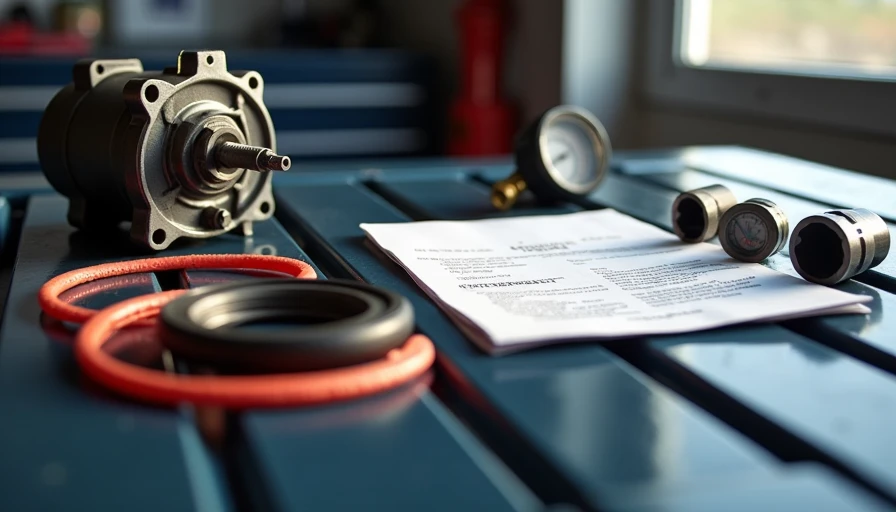
Rebuild, repair, or replace: making the right call
Not every pump should be rebuilt in the field. That is desk-jockey nonsense. Some cartridge kits and seal replacements are straightforward if the housing and hard parts are still within spec. But if the barrel face is scored, the swash plate is damaged, the housing is out of tolerance, or the shaft support is compromised, you need a real hydraulic shop with proper measuring tools, clean assembly conditions, and a test stand.
As a rough rule, minor hydraulic pump repair might involve seals, bearings, a shaft, or a rotating group if the rest of the unit checks out. Once the case is damaged or contamination has traveled through the entire machine, replacement often makes more sense. On common construction machines, a simple repair might run a few hundred dollars in parts, while a quality rebuild can land in the low thousands. Large excavator or mining-class pumps can go much higher. Cheap rebuilds are usually cheap for a reason.
Field Lesson: if a pump failed hard enough to send metal through the system, budget for flushing, filters, hose inspection, and often valve checks. The pump invoice is not the whole invoice.
Best practices after hydraulic pump repair
The work is not done when the pump bolts back on. Pre-lube where the manufacturer calls for it. Use the correct oil. Prime the suction side if the system design requires it. Confirm rotation direction, verify relief settings, and monitor case drain on startup. I like to idle first, cycle functions gently, and watch for noise, foam, heat, and unstable response before loading the machine.
Change filters after initial run-in if contamination was involved. Pull an oil sample early. Reinspect suction lines and clamps after the machine gets hot. A tiny suction leak can undo a good hydraulic pump repair in a single shift. Train the operator too. If they hear growling, feel chatter, or see slow functions, shut it down and report it before a small problem turns into rotating scrap.
Safety Alert: never check for hydraulic leaks with your hand. Use cardboard or wood and proper PPE. High-pressure injection injuries are medical emergencies.
Hydraulic pump repair is worth doing right because these systems do not forgive shortcuts. Diagnose first, inspect the whole circuit, rebuild only what measures good, and clean the system like your paycheck depends on it. Because on most jobs, it does. I've seen this go wrong. Here's how you avoid it.



No letters yet — be the first to write.