
I first learned to respect **hydraulic pump piston repair** on a copper site in Chile, standing beside an excavator that had gone lazy on boom lift and noisy enough to make every good mechanic look up. The operator thought the pump was "just tired." It was not. One scored piston shoe had started a chain reaction, sent fine metal through the case drain, and turned a repairable pump into a very expensive parts pile. I've seen this go wrong. Here's how you avoid it.
If you're dealing with weak hydraulics, slow cycle times, heat, or a pump that suddenly sounds wrong, piston damage belongs high on the suspect list. But good hydraulic pump piston repair starts before a wrench touches the housing. The real job is diagnosis, cleanliness, measurement, and knowing when the rotating group is salvageable and when it is scrap.
Start With Diagnosis Before You Tear Anything Down
Too many technicians condemn a pump because the machine feels weak. That is how you waste a day and miss the real fault. Before planning hydraulic pump piston repair, confirm the problem with pressure checks, flow testing if available, case drain measurement, and a hard look at contamination history. A piston pump with excessive internal leakage will often show low output under load, rising oil temperature, and higher-than-normal case drain.
**Safety Alert:** Hydraulic systems can hold dangerous residual pressure long after shutdown. Bleed pressure correctly, lock out the machine, lower attachments, and do not crack lines because you are in a hurry.
I also want the basics checked first: suction restrictions, collapsed inlet hose liners, wrong oil viscosity, clogged return filtration, and control issues that mimic pump failure. On more than one wheel loader, the pump got blamed when the issue was actually a stroking control problem or air ingress on the suction side. Hydraulic pump piston repair is expensive enough without rebuilding the wrong component.
**Field Lesson:** If the oil smells burnt and the filter is full of bronze or steel, do not stop at the pump. Assume the whole system needs attention.
What Usually Fails Inside a Piston Pump
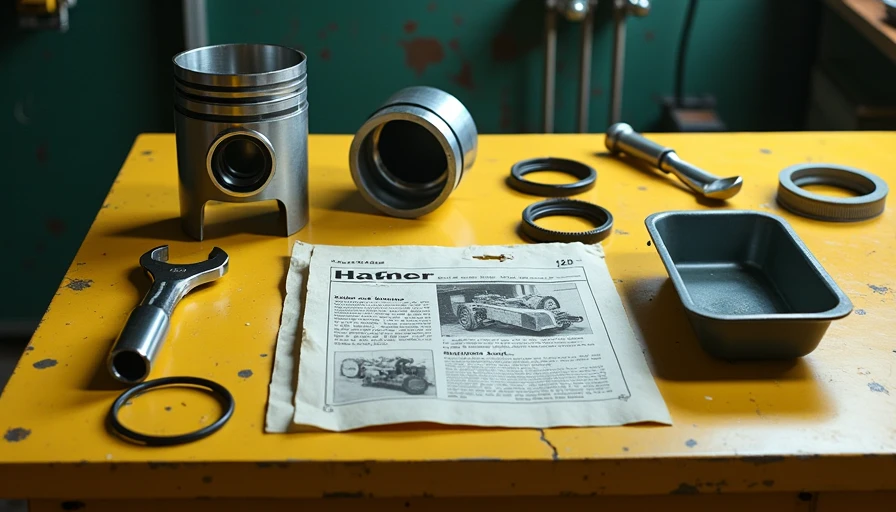
Most axial piston pumps fail in patterns, not mysteries. The common trouble spots are piston shoes, the swashplate contact surface, the cylinder barrel, valve plate, retaining plate, and bearings. Once one surface starts shedding material, the rest of the rotating group follows in a hurry. That is why hydraulic pump piston repair is rarely about replacing one pretty obvious bad part and sending it.
Scoring on piston shoes often points to contamination or lubrication breakdown. A blued or heat-marked valve plate suggests the pump ran starved, overheated, or with aerated oil. Barrel face damage can mean the unit kept running after wear limits were passed. Broken shoe retainers or cracked pistons are a different animal and often trace back to overspeed, shock loading, or severe contamination events.
Spent two weeks on one iron ore site in Western Australia chasing repeat pump failures on a face shovel. The root cause was not "bad rebuild parts" like everyone said. It was fine silica contamination getting past poor handling practices during hose changes. Every rebuilt pump was being fed dirt before it had a chance.
Safe Teardown and Clean Inspection Matter More Than Speed
When you finally open the pump, work clean or don't work at all. Lay parts out in order. Cap lines immediately. Photograph orientation marks if the model is new to you. Dirt introduced during teardown can destroy your inspection and your rebuild. Hydraulic pump piston repair is precision work, even when the machine it came from weighs 90 tons.
Start with the housing, shaft, and bearings. Then inspect the rotating group as an assembly before splitting it apart. Look for uneven wear patterns. One bad piston can tell you where side loading began. Check piston slipper faces, piston-to-barrel fit, barrel face finish, valve plate condition, and any signs of spalling, chipping, or transfer metal.
Use measuring tools, not hope. Check clearances and wear limits against the service data for that exact pump family. If the shaft bearings are rough, if the housing bore is damaged, or if hard-part wear exceeds limits across multiple surfaces, the smartest hydraulic pump piston repair may be a complete rotating group replacement or an exchange unit from a reputable hydraulic shop.
Repair or Replace: Make the Call Like a Foreman
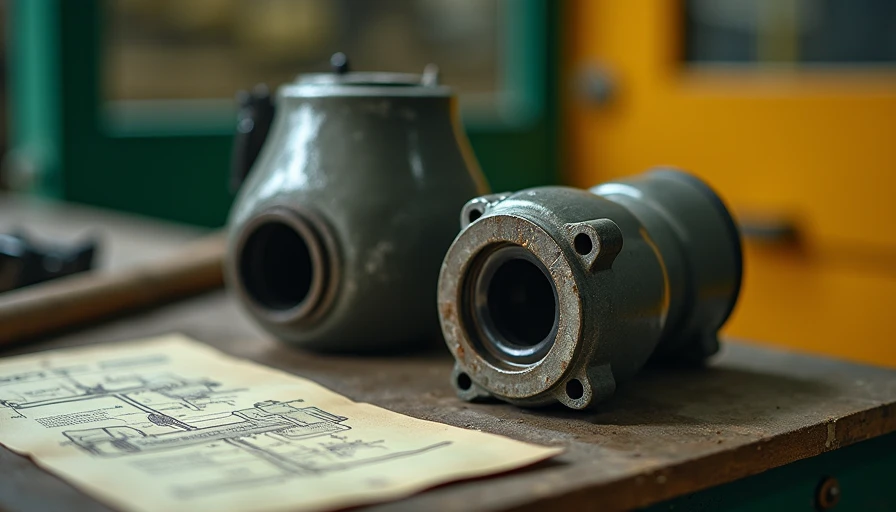
This is where young techs get themselves in trouble. They see one damaged piston, order one piston, and believe they saved money. Sometimes they only bought the machine another 20 hours before the same pump comes back uglier than before. In real hydraulic pump piston repair, parts must be matched by condition and wear pattern.
Replace pistons and shoes only when the mating surfaces are within spec and truly clean. If the swashplate is scored, the valve plate is worn, and the barrel face shows heat damage, stop pretending this is a minor repair. Rotating groups live or die together. A good shop will inspect the whole stack and tell you plainly whether the core is rebuildable.
Cost matters, especially for contractors and small quarry outfits. A seal kit is cheap. A few pistons are manageable. A full rotating group or reman pump can run into the thousands, and larger production pumps can go much higher. But downtime costs real money too. If a machine feeds trucks, runs a crusher, or keeps a crew standing, the cheapest repair on paper is often the most expensive in the field.
Reassembly, Flushing, and Startup Are Where Repairs Survive
A clean rebuild can still die on startup if the rest of the system is dirty. After hydraulic pump piston repair, flush contaminated lines, inspect coolers, change filters, clean the tank if debris was present, and check case drain routing. Prime the pump correctly so it is not asked to run dry. Dry starts ruin good work fast.
On startup, monitor noise, response, pressure, and case drain immediately. Watch oil level and aeration. A fresh repair should not whine, chatter, or spike temperature in the first hour. If it does, shut it down and find out why. Do not let an operator "run it and see if it clears up." I have seen that sentence destroy rebuilt pumps.
**Safety Alert:** Keep hands clear when checking for leaks. Never use fingers on a suspected pinhole leak. High-pressure injection injuries are serious and need immediate medical attention.
The best habit after hydraulic pump piston repair is follow-up. Pull and inspect filters early, review oil sample results, and verify the original root cause is gone. Fix the contamination source, suction problem, or cooling issue, or you'll be right back in the same fight.
When to Stop and Send It to a Real Hydraulic Shop
Not every pump belongs on a bench in a field shed. If the unit has heavy hard-part damage, complex controls, electronic displacement control issues, or unavailable specifications, send it out. There is no shame in that. A qualified hydraulic shop can test the pump on a stand, verify output and leakage, and catch problems you cannot see with hand tools alone.
My rule is simple: if you cannot measure it, clean it, and test it properly, do not guess. Hydraulic pump piston repair rewards discipline and punishes shortcuts. For operators, techs, and shop foremen, the win is not just getting the machine moving today. The win is keeping it moving next month without a repeat failure.
I've seen this go wrong. Here's how you avoid it: diagnose first, tear down clean, inspect every mating surface, replace parts as a system, and never restart a repaired pump into a dirty hydraulic circuit.



No letters yet — be the first to write.