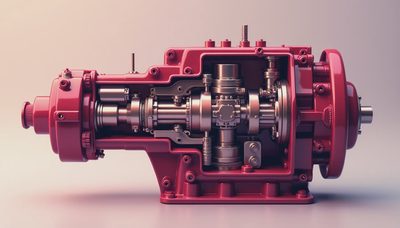
Hydraulic systems find application across a broad spectrum of industries — manufacturing, construction, robotics, agriculture, mining, and aviation among them. These systems are indispensable wherever high-power density is required or where load demands shift rapidly.
Within hydraulic systems, pressurized fluid is the source of energy. The fluids serving this purpose are known as hydraulic oils or hydraulic fluids.
So what exactly are hydraulic oils, and how does one go about selecting the right type? Read on to find out.
Hydraulic equipment generates substantial amounts of heat during operation. This overheating typically stems from inefficiencies within the system's pumps and motors, and can inflict serious damage on the internal components of the hydraulic system.
This is precisely where non-compressible hydraulic oil becomes critical. It serves as the medium through which power is transferred inside hydraulic machinery. Beyond that, hydraulic fluids can also function as sealants, coolants, and lubricants within hydraulic equipment.
The applications of hydraulic oils span a wide range, encompassing hydraulic brakes, power steering systems, excavators, industrial machinery, and much more.
Every hydraulic fluid is composed of base oils combined with a package of chemical additives. These additives exist to strengthen the performance of the base oil and improve how the hydraulic system's components function. They can bolster foaming resistance and corrosion prevention, and also contribute water-retention properties.
Depending on the type of base oil used, hydraulic oils fall into three broad categories: mineral-based, synthetic, and vegetable-based.
Mineral-based hydraulic oils represent the most widely used base oil type. As the name implies, they are built on a mineral, or petroleum, base — derived through the distillation of crude petroleum oil. This process strips out harmful contaminants and hydrocarbons. When paired with high-quality additive packages, mineral-based hydraulic oils can rival synthetic options in terms of performance, delivering excellent protection, lubrication, and reliable operation.
Mineral-based oils are further divided into three subcategories. The first comprises traditional solvent-refined mineral fluids, while the second and third consist of hydrocracked mineral oils, which contain fewer sulphur impurities and exhibit a higher viscosity rate.
A primary advantage of conventional hydraulic oils is their cost-effectiveness. Their thermal stability and anti-wear properties allow them to handle even the most demanding working conditions, making them widely applicable across industries such as mining, construction, and forestry.
Valvoline supplies superior HVLP and HLP mineral-based hydraulic oils. Every conventional hydraulic fluid in our lineup is built from a top-quality mineral base and enhanced with advanced anti-wear additives. Our range spans multiple ISO viscosity grades across both HVLP and HLP categories.
In damp working environments, mineral-based hydraulic oils deliver strong protection against rust, corrosion, and sludge foaming. Their high oxidation stability also enables these fluids to resist chemical decomposition upon exposure to water, while their filterability characteristics support rapid water separation.
Valvoline's conventional hydraulic oils are engineered for enhanced lubrication and reduced friction, which translates to extended reapplication intervals and lower overall maintenance costs.
Synthetic hydraulic oils are chemically engineered base oils. Their molecular structure is precisely arranged to optimize oil performance.
This engineered composition compensates for the limitations of mineral-based hydraulic oils. Among their strengths are high fluid stability, lubricity, and biodegradability. Synthetic-based hydraulic oils are particularly well-suited to machinery that operates under extreme high or low temperatures, or under high pressures.
The primary drawbacks of synthetic hydraulic oils are their higher cost and potential incompatibility with certain seal materials.
Synthetic-based hydraulic fluids are classified into several distinct categories:
Phosphate esters are produced through the reaction of phosphoric acid with aromatic alcohols.
They deliver a number of important benefits, including outstanding fire resistance, thermal stability, and lubrication. Hydraulic systems employ them as incombustible base stocks.
However, phosphate ester-based hydraulic fluids are incompatible with many paints, adhesives, and sealant materials. Additional downsides include their low viscosity and toxicity.
Polyol esters are formed through the reaction of long-chain fatty acids with synthesized alcohols. Much like phosphate ester-based oils, polyol ester-based synthetic hydraulic oils are noted for their exceptional lubrication and fire resistance.
Polyol ester-based oils are characterized by a low pour point and strong flow characteristics. They are also biodegradable and environmentally friendly.
Valvoline Ultramax Bio-46 ranks among the most trusted synthetic hydraulic oils in Europe. It is formulated with saturated ester-based oil and premium additives. Its biodegradable composition makes this ester-based synthetic hydraulic fluid well-suited for use in environmentally sensitive applications.
Water glycol synthetic hydraulic oils contain up to 60% glycol and 38–45% water. These fluids are fire-resistant, non-toxic, and biodegradable. Their additive packages provide improved corrosion resistance, oxidation stability, and anti-wear performance.
The water content in these synthetic hydraulic fluids causes faster evaporation, which imposes strict temperature limitations. They are suited to lower operating temperatures, specifically in the range of 0°C to 49°C.
Material compatibility is another concern. This fluid is corrosive to zinc, cadmium, and non-anodized aluminum, and chemical reactions with these metals lead to accelerated fluid degradation.
Water-glycol synthetic hydraulic oils are used across a variety of applications, including electric welders, forklifts, and diecasting machinery, among others.
Vegetable hydraulic oils serve as an effective alternative to mineral-based oils. They are extracted from raw plant sources such as turnip rape, rapeseed, sunflower seeds, soybeans, and canola, and share a chemical structure similar to that of polyol esters.
Vegetable-based hydraulic oils offer strong lubrication, anti-oxidation, anti-rust, and anti-wear performance, along with a high viscosity index. These properties make them suitable for use in both mobile and stationary hydraulic systems.
Perhaps most notably, vegetable-based hydraulic oils are naturally derived, giving them outstanding environmental credentials including non-toxicity, biodegradability, and sustainability.
By their key specifications and intended industrial applications, hydraulic fluids can be grouped into the following categories:
Rapidly biodegradable hydraulic oils have seen significant growth in adoption over recent decades, having been formulated with environmental compatibility as a central design objective. These eco-friendly lubricants incorporate heavy metal-free and toxicologically harmless additives.
They serve a vital function across mobile and stationary industries including industrial operations, forestry, mining, and tunnel construction. Industry specialists anticipate that they will increasingly displace mineral-based oils, particularly in mobile hydraulic applications.
These eco-friendly hydraulic fluids can be further classified into several types:
In industries where hydraulic machines contain lubricated components, fire risk must always be the foremost concern. Pressurized lubricants are susceptible to leaks and spray events, and when equipment operates near open flames or at high working temperatures, fire hazards become nearly unavoidable.
For this reason, selecting fire-resistant hydraulic fluids is a prudent decision for machinery exposed to elevated temperatures. Several types of fire-resistant hydraulic oils are available:
Food-grade hydraulic fluids are extensively used in hydraulic circuits throughout the food and beverage, packaging, and pharmaceutical industries.
They offer robust protection against corrosion, oxidation, and wear, while also dispersing heat and transferring power throughout the hydraulic system.
Food-processing hydraulic oils come in two types. The first is intended for hydraulic systems where no contact with edible products occurs. In certain industries, however, incidental contact with food is a possibility — sectors such as vegetable processing, food packaging, fruit harvesting, and egg processing operations fall into this category.
As a result, food-grade hydraulic oils must conform to a range of safety regulations, including:
Aircraft hydraulic oils are designed specifically for aviation hydraulic systems, offering thermal stability and a high viscosity index.
These properties enable such fluids to withstand high pressures, extreme hot and cold conditions, and sudden temperature swings. Fire resistance is also a mandatory characteristic for hydraulic oils used in aircraft hydraulic systems.
We have previously covered the distinctions, benefits, and applications of tractor fluid versus hydraulic oil in detail.
In brief, tractor fluids are lubricants applied in agricultural settings to shield equipment against wear. Valvoline provides a broad range of universal tractor lubricants, including Valvoline™ UTTO and Valvoline™ STOU.
Hydraulic oils transfer both power and heat within hydraulic systems while also lubricating their internal components. Among the most frequently used types of agriculture hydraulic oils are:
As the hydraulic oil specifications above make clear, these fluids differ significantly in composition and intended application. The fluid selected has a direct bearing on the overall performance of the hydraulic system.
Before choosing a hydraulic oil, users should evaluate several key factors:
Hydraulic oil density refers to the ratio of its mass to the volume it occupies, expressed in grams per milliliter (g/ml).
Density is a fundamental property that affects the performance of hydraulic equipment. Higher-density hydraulic fluids can facilitate the suspension and removal of contaminants, thereby strengthening the system's contamination control capabilities.
Density varies according to hydraulic oil type. Mineral-based hydraulic fluid, for instance, has a density ranging from 0.8 to 0.9 g/ml, meaning these fluids float on water.
Viscosity is the single most important characteristic of hydraulic oils. It describes the fluid's resistance to changes in temperature.
Hydraulic oil viscosity and operating temperature are closely interdependent. As temperature rises, oil viscosity decreases, and the reverse is equally true. Hydraulic oil viscosity is measured in Centistokes at both 40°C and 100°C.
This is why evaluating the hydraulic oil viscosity index is so important. Fluids with a low viscosity index are more sensitive to temperature fluctuations than those with a higher viscosity index. Higher-viscosity oils are correspondingly thicker.
Based on their viscosity index, hydraulic oils can be categorized as follows:
As discussed earlier, hydraulic oils also contain additives that enhance their performance by forming a reactive layer on metal surfaces to prevent metal-to-metal contact.
Anti-wear additives come in two varieties: zinc-based (Zn-based) and zinc-free (Zn-free). While Zn-based additives are more common, the Zn-free alternative offers greater ecological benefits.
Selecting hydraulic fluids that include rust inhibitors is equally important. These inhibitors form a thin protective layer on metal surfaces to minimize corrosion.
Valvoline Ultramax hydraulic oils are premium, multipurpose heavy-duty hydraulic fluids formulated with high-performance anti-wear additives capable of withstanding extreme temperatures. Their versatility makes them appropriate for use across numerous industries, from earthmoving to road construction.
When oxygen reacts with oil, acidic byproducts can form, and oxidation can compromise fluid stability. This is why thermally stable hydraulic oils are strongly preferred. The oxidation index is influenced by multiple variables, including water content, metal presence, pressure, temperature, and contaminants.
Hydraulic systems sit at the heart of industries ranging from aviation to mining, operating under harsh climatic and demanding working conditions. Hydraulic fluids are therefore essential to ensuring these systems function reliably.
Beyond their primary role as energy carriers, they also act as sealants, lubricants, and coolants, and play a key part in contaminant removal and prevention. For this reason, selecting top-quality hydraulic fluids equipped with advanced additive packages is essential.
Valvoline has long stood as an industry leader in hydraulic fluids and additive technologies. Our lineup features a broad selection of premium conventional and biodegradable hydraulic oils.
Every fluid in our range is designed to enhance hydraulic system performance, enabling reliable operation at both high and low operating temperatures while guarding against corrosion, dust, foaming, and wear.
When selecting hydraulic oils, giving careful consideration to viscosity grade is critical. For further information, visit our website today.