I remember a job in a Nevada copper mine where **hydraulic oil additive packages explained** the difference between a pump that ran 10,000 hours and one that failed at 1,500. The operator had switched to a cheaper oil to save a few bucks per gallon. Within six months, they were pulling a worn-out piston pump and cleaning varnish off every spool in the system. That day I learned—the hard way—that the additive package isn't just marketing fluff. It's what keeps your iron running.
What Are Hydraulic Oil Additive Packages?
Hydraulic oil isn't just base oil. It’s a blend of base stock and a carefully balanced set of chemical compounds called the additive package. These additives handle things the base oil can’t: controlling wear, preventing rust, managing foam, keeping the oil clean, and maintaining viscosity under extreme pressure and temperature. Think of the additive package as the insurance policy for your hydraulic system. Without the right one, you’re gambling with downtime.
Key Additive Components in Modern Hydraulic Oils
Every major oil brand—Mobil, Shell, Chevron, Caterpillar—formulates its own additive packages. But they all share a few core ingredients:
- **Anti-wear (AW) additives** – Usually zinc dialkyldithiophosphate (ZDDP) or similar compounds. They form a protective layer on metal surfaces to prevent scuffing and scoring. Field Lesson: In high-pressure systems (over 3,000 psi), AW additives are non-negotiable. I’ve seen Cat 793 haul truck pumps fail because someone used a cheap hydraulic oil with minimal AW protection.
- **Rust and oxidation inhibitors** – These prevent rust from water contamination and slow down oil oxidation, which causes sludge and varnish. Safety Alert: Varnish is a fire hazard in hot systems—don't ignore it.
- **Demulsifiers** – Help water separate from the oil so it can be drained off. Water kills bearings fast. I once pulled a final drive on a D11 that had milky oil; the bearings looked like they’d been through a sandblaster.
- **Anti-foam agents** – Reduce air entrainment. Foam causes cavitation and erratic operation. If your machine jerks, check for foam.
- **Viscosity improvers** – Keep the oil thick enough at high temperatures and thin enough at cold startup. Especially important in multi-grade oils like 10W-30.
Why Additive Packages Matter for Heavy Equipment
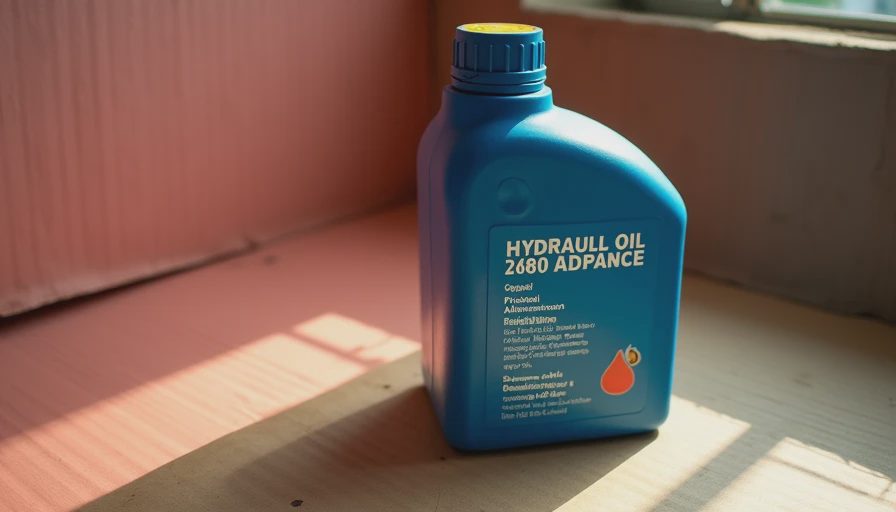
Heavy equipment hydraulics work harder than most industrial systems. A 797 haul truck’s hoist system can see 4,000 psi and 200°F oil for hours. A mining shovel’s swing drive cycles every few seconds. Under those conditions, the additive package degrades over time. If you don’t change the oil on schedule, or you top off with a mismatched oil, the additive balance gets thrown off. That’s when failures start.
I’ve seen it a hundred times: a shop foreman buys the cheapest hydraulic oil they can find, thinking “oil is oil.” Then six months later, they’re replacing pumps and valves. The cost of one pump replacement is more than the lifetime savings from cheap oil. Field Lesson: Always follow the OEM recommendation. Caterpillar, Komatsu, Hitachi—they all specify a certain additive package for a reason. They test it for thousands of hours so you don’t have to.
Field Lesson: Choosing the Right Additive Package
A few years back, I was called to a gold mine in Ghana. They had a fleet of Cat 330 excavators that were burning through hydraulic pumps every 2,000 hours. The oil they were using met the ISO 32 viscosity grade, but its additive package was designed for industrial equipment—low pressure, steady loads. Not for excavators that spend all day digging and swinging. We switched to a Cat-branded hydraulic oil with a heavy-duty AW package. Pump life jumped to over 6,000 hours. The additive package was the only difference.
Common Myths About Hydraulic Oil Additives
- **Myth: More additives are always better.** Not true. Over-additizing can cause compatibility issues, foaming, and seal swelling. Stick to the specs.
- **Myth: All anti-wear oils are the same.** They’re not. Some use ZDDP, others use ashless additives. They perform differently under different conditions.
- **Myth: You can mix different brands.** You can, but you risk the additive packages reacting with each other. Test your oil regularly if you mix.
How to Stay on Top of Additive Health
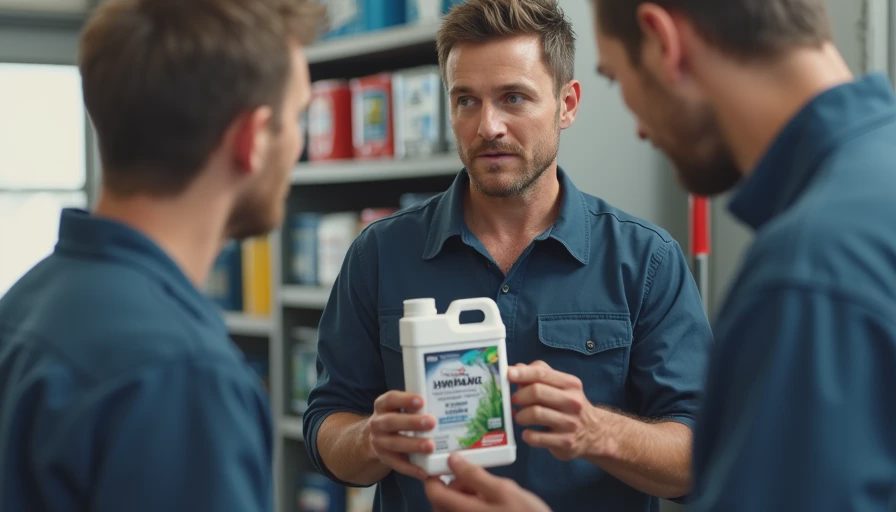
Regular oil analysis is the only way to know if your additive package is still active. A standard analysis will tell you the remaining anti-wear additive level, acid number (a sign of oxidation), and whether rust inhibitors are depleted. I always tell my students: “If you’re not oil sampling, you’re flying blind.” Set a routine—every 250 hours for harsh conditions, every 500 for normal.
Field Lesson: I worked a job in Indonesia where a mine had catastrophic hydraulic failures across dozens of trucks. Oil analysis showed the anti-wear additive was completely gone after 1,000 hours, even though the oil looked clean. They had been running the oil too long. The fix was simple: shorten the drain interval from 2,000 to 1,200 hours. That saved millions in repairs.
Summary
**Hydraulic oil additive packages explained** in plain terms: they’re the difference between a machine that runs for years and one that breaks down every few months. Don’t skimp. Use the OEM-recommended oil, stick to the change intervals, and test your oil. Your bottom line (and your shop’s blood pressure) will thank you.
If you’ve got a hydraulic failure story, drop it in the comments. I’ve got 30 years of my own—I’d like to hear yours.