How Do Construction Telematics Help in Reducing Cost?
I still remember the first time I saw a fleet manager's face turn white when he opened the fuel reports. That was a site in Nevada running a dozen 980 loaders and a crew of drivers who liked to let the machines run through lunch. The manager had just installed a telematics system, and the idle data was ugly. So how do construction telematics help in reducing cost? They give you the hard numbers on the three biggest leaks in any operation: fuel, unscheduled downtime, and operator habits. I've seen this go wrong too many times to count. Here's how you avoid it.
The Biggest Cost Leak: Idle Time
Idle time is where telematics pays for itself faster than any other feature. I've watched operators leave a D8T running for a full hour while they waited in line at the fuel truck. That's burning five to seven gallons an hour for nothing. A good telematics system records every minute the key is on versus the engine under load. When drivers know it's being measured, behavior changes. One fleet I worked with in Arizona cut idle hours by 30 percent in the first two months just by showing the weekly numbers on a board in the shop.
The fuel savings add up. If a loader burns 6 gallons an hour idling and you kill two hours of idle per shift, that's 12 gallons a day per machine. At $4 a gallon and a 10-machine fleet, you're talking $480 a day, over $10,000 a month. That's not a rounding error. Telematics gives you the ability to set auto-idle shutdown thresholds or at least identify the worst offenders.
Predictive Maintenance: Stop the Failure Before It Stops You
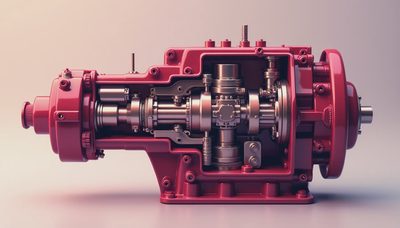
Telematics does more than measure fuel. It watches fault codes, coolant temperatures, hydraulic pressures, and vibration levels. On a rebuild I did in Montana, the telematics system flagged a hydraulic pump that was slowly losing pressure on a 336 excavator two weeks before it was scheduled to fail. We swapped it in the shop instead of on a hillside in a snowstorm. That's the difference between a $2,000 repair and a $12,000 one.
Oil sampling used to be a monthly ritual. Now telematics can tie into your lube schedule and remind you when a sample is due. The system records engine hours accurately, so you stop changing oil at 250 hours when the machine only ran 200. Simple stuff, but it adds up across a fleet. Avoiding one catastrophic engine or final-drive failure pays for the entire telematics subscription for a year.
The Numbers That Matter
I've been asked a hundred times if construction telematics is worth the monthly subscription. The answer depends on whether you use the data or just stare at the map. Most of the fleets I've worked with see fuel savings between 10 and 20 percent after six months of active idle management. They also see fewer breakdowns because fault codes get caught early. On rental equipment, telematics helps you bill for actual hours and avoid the argument over "the meter must be wrong."
One Colorado contractor told me telematics paid for itself in the first three weeks. The system flagged that a skid steer was being run at full throttle in a low gear most of the day, which explained the fuel bill. A simple operator discussion fixed that. Another fleet recovered a stolen excavator worth $180,000 in under 48 hours because the telematics unit's GPS was still transmitting. Theft recovery alone can justify the cost.

Field Lesson: Don't Buy Telematics Just for the Map
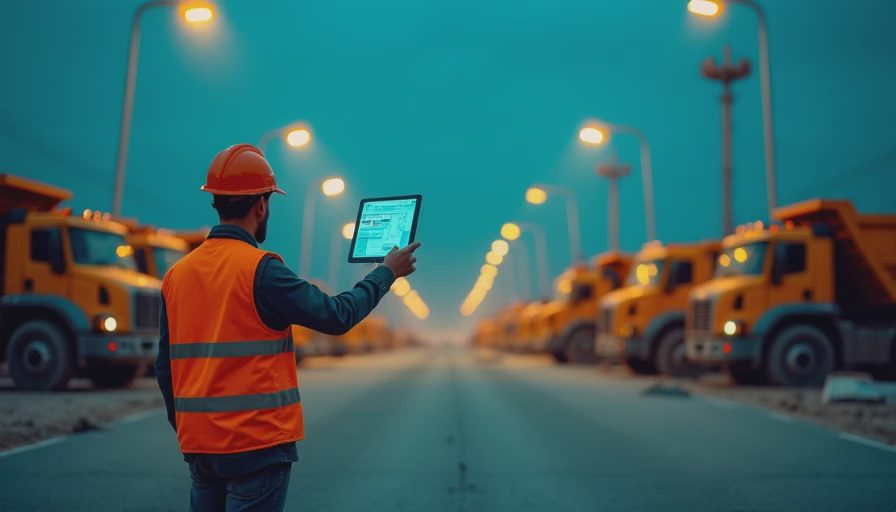
Here's where I've seen telematics projects go sideways. A company installs the system, then nobody checks the alerts. The data builds up in a dashboard that the office never opens. That's a waste of money. You have to assign someone to review the weekly reports and act on them. Set up thresholds for idle time, overspeed, and engine hours. Make the operators part of the conversation instead of spying on them. When they understand the system keeps the machines alive, they buy in.
Pick a system that fits your equipment. Cat Product Link works naturally on newer Cat machines, Komatsu has Komtrax, and universal boxes like Geotab or Trimble can be bolted onto older iron. I've installed all of them in the field. The best telematics system is the one your mechanics will actually use. If your shop crew is happy with it, you'll get the data. If they hate the interface, you'll get excuses.
The Bottom Line
So what's the honest answer to how do construction telematics help in reducing cost? The savings come from making decisions with data instead of guesses. Fuel, maintenance, operator behavior, and theft prevention are the four areas where I've seen real money come back. If you're running more than a few machines and you don't have telematics yet, you're leaving thousands on the table every month. Start with a small pilot on your worst-performing machine and let the numbers convince the skeptics.
Field Lesson: I've seen this go wrong when managers use telematics to bust the crew instead of fix the problem. Don't be that guy. Use the data to train, not to punish. Safety Alert: Never rely on telematics alone for safety. Keep your daily walkaround and pre-shift inspections. The system won't see a cracked weld or a loose lug nut.