I watched a mid-size earthwork outfit in Nevada lose two full shifts because nobody knew a 336 excavator was overdue on a hydraulic return filter, and a service truck got sent to the wrong laydown yard on top of it. That's how jobs slip and tempers get short. The best construction fleet management software fixes that kind of preventable chaos by putting machine hours, inspections, PM schedules, GPS, fuel, and work orders in one place. I've seen this go wrong more than once. Here's how you avoid it.
This isn't desk-jockey talk. If you run mixed iron across multiple sites, the right software saves real money in labor, downtime, and parts catch-up. The wrong one becomes another screen your foreman ignores. What matters is whether it keeps equipment available, safe, and billed correctly — without piling on more admin than wrench time.
What the best systems actually do in the field
Construction fleet management software isn't just a map with moving dots. In a real fleet, it needs to handle five things well: asset tracking, preventive maintenance, inspections, utilization reporting, and repair workflow. If a platform can't tell you where a machine is, how many hours it has, what service is due, and what open issues are waiting on parts, it's missing the heart of fleet control.
Good systems also pull telematics from major brands — Caterpillar Product Link, John Deere JDLink, Komatsu, Volvo, and mixed aftermarket devices — since most yards aren't single-brand. Look for data coming in through AEMP/ISO 15143-3, the industry standard that lets mixed-OEM equipment speak the same language on one dashboard. You want a shop foreman to spot idle time, overdue PMs, and fault codes before they turn into field failures. A decent setup also tracks trailers, light towers, generators, and attachments — not just yellow iron.

Field Lesson: software only works if operators and mechanics actually use it. If inspections take ten minutes too long, pencil-whipping starts. If service intervals are hard to read on a phone in the sun, machines get missed.
Why This Actually Matters: The Real Cost of Flying Blind
The numbers back up what most superintendents already feel in their gut. Industry benchmarks put unplanned downtime on heavy equipment at 20–30% of total downtime hours, and emergency repairs typically run three to nine times more than the same job done on a planned schedule. A large share of hydraulic failures — the leading cause of excavator breakdowns — show detectable warning signs weeks before they fail, yet most contractors still have no systematic way to catch them.
The visibility gap costs money even when nothing breaks. Research on fleet utilization shows construction firms often run 30–40% of their fleet idle at any given time simply because managers can't see what's already on-site — so they rent or buy equipment they already own. Contractors running a digital maintenance system instead of spreadsheets report reactive-maintenance rates around 15–20%, versus 40–55% for fleets managing PM by memory and paper.
On a per-machine basis, a single unavailable piece of equipment on an active job can cost $2,000–$10,000 a day in idle crew wages and missed milestones — before counting the emergency repair premium. That's the real ROI case for construction fleet management software: it's not a "nice dashboard," it's a downtime and rental-avoidance tool with a payback period usually measured in weeks, not years.
Top Construction Fleet Management Platforms Worth a Hard Look
Platform | Best For | Strengths | Watch-Outs |
|---|---|---|---|
HCSS Equipment360 | Heavy civil / equipment-first contractors | Purpose-built for construction; ties maintenance, inspections, fuel, and ownership cost together | Less focused on road-truck GPS/dispatch |
Tenna | Mixed fleets with lots of small assets | Strong equipment + tool tracking, utilization reporting, Bluetooth tags for attachments | Adds cost if you only need vehicle GPS |
Samsara | Contractors with trucks + equipment mixed | Best-in-class GPS, AI dash cams, driver behavior, clean dashboards | Broad platform — construction-specific depth is add-on |
Verizon Connect | Route-heavy, multi-stop operations | Strong dispatch and route optimization, solid maintenance reporting | Less built for heavy-equipment PM depth |
Fleetio | Contractors wanting fast rollout | Clean UI, flexible maintenance workflows, easy to launch, budget-friendly entry | Not a native GPS/dispatch platform on its own |
Geotab | Larger fleets with existing telematics hardware | Open Marketplace, strong integrations, ruggedized hardware options | Steeper setup; benefits from an in-house champion |
My practical take: skip the flashiest sales demo. Pick the platform your dispatcher, mechanic, and superintendent can all understand by Friday afternoon.
How to choose without buying a headache
Start with your actual failure points, not a feature checklist. Are you losing money on missed PMs, stolen equipment, low utilization, fuel waste, or sloppy inspections? The best construction fleet management software for a 40-truck paving outfit is not automatically the best for a dirt contractor running excavators and water trucks across three counties.
Ask direct questions during the demo:
Can it import hour-meter data automatically from OEM telematics?
Can mechanics open and close work orders from a phone in the field?
Can it track parts, labor hours, and downtime causes by category?
Can you assign assets by project and see true cost-per-hour?
If you're still living in spreadsheets, that last question alone can change how you estimate and plan replacement cycles.
Safety Alert: never let software replace walk-arounds. A telematics fault won't always catch a cracked track shoe, loose wheel hardware, or a cylinder rod getting chewed up by contamination. Software supports discipline — it doesn't replace it.
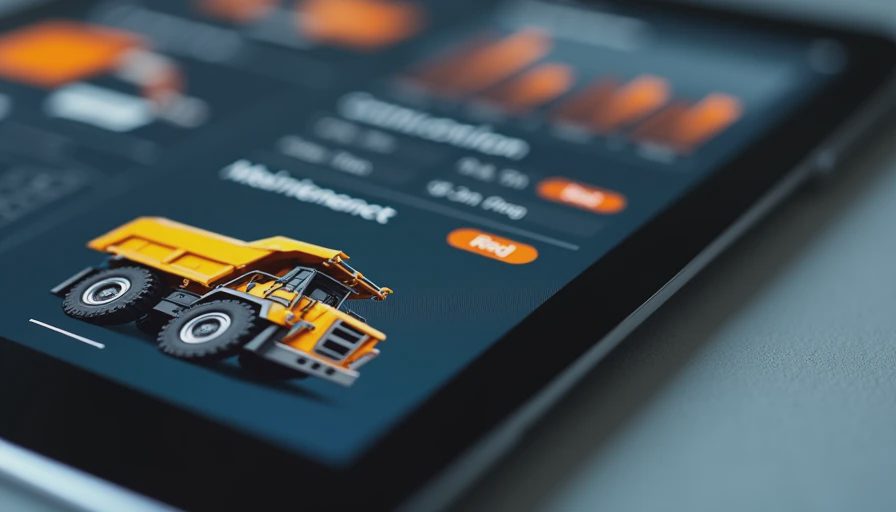
Also weigh implementation pain honestly. Some vendors launch in a week. Others need a full internal champion, data cleanup, hardware installs, and training before anyone sees value. If your team is already stretched thin, a simpler platform that actually gets used beats a powerful one nobody updates.
Features That Pay for Themselves Fastest
In year one, the biggest wins almost always come from preventive maintenance compliance and better utilization — the two levers behind most of the downtime stats above. Servicing machines on schedule avoids the ugly stuff: cooked finals, dry pins, contaminated hydraulics, and after-hours field callouts that burn labor at overtime rates. One avoided major repair can cover a good chunk of a year's software cost by itself.
The second payoff is visibility. Contractors regularly rent extra machines because nobody realized two owned units were sitting idle on another site — the fleet utilization data above shows this is closer to the norm than the exception. Good tracking software exposes that waste fast, and it doubles as billing support and job-costing input for the next bid.
Prioritize these when comparing platforms:
Mobile inspections with photos and digital sign-off
DVIR-style workflows for road-going trucks
Maintenance reminders triggered by engine hours, not calendar dates
Utilization reports broken out by asset class
Geofencing and after-hours movement alerts
Pricing runs from a few hundred dollars a month for a small fleet to several thousand for larger, telematics-heavy operations. If it prevents one rental, one theft, or one missed major PM, the math turns in your favor fast.
FAQ
F: What is construction fleet management software?
Q: It's a platform that combines GPS tracking, preventive maintenance scheduling, inspections, and utilization reporting for both road vehicles and heavy equipment, so a contractor can manage a mixed fleet from one dashboard instead of spreadsheets and phone calls.
F: How much does construction fleet management software cost?
Q: Pricing typically ranges from a few hundred dollars a month for a small fleet to several thousand a month for larger, telematics-heavy operations, depending on the number of assets and how much hardware is involved.
F: What's the difference between construction fleet software and regular trucking fleet software?
Q: Construction platforms schedule maintenance by engine hours instead of mileage, support mixed asset types (trucks, heavy equipment, attachments), and typically integrate with OEM telematics like Cat Product Link or JDLink — features generic trucking software usually lacks.
F: Which construction fleet management software is best for a small contractor?
Q: Fleetio is generally the easiest and lowest-cost platform to launch quickly for smaller mixed fleets, though it works best paired with existing GPS hardware rather than as a standalone tracking solution.
The best construction fleet management software is the one that keeps your machines working, your people accountable, and your shop from running blind. For construction-first maintenance control, HCSS Equipment360 and Tenna are strong places to start. For broader fleet visibility with trucks and cameras in the mix, Samsara and Verizon Connect are solid contenders. For ease of use and flexible maintenance workflows, Fleetio belongs on the shortlist.
I spent two weeks on one site years back sorting out a mess that started with bad hour tracking and ended with three machines down during production. The lesson stuck: if you can't see your fleet clearly, you can't manage it well.
Do the demo. Load your real assets. Test inspections from the field. Make the vendor prove the workflow, not just the dashboard. That's how you choose software that earns its keep.