
I watched a mid-size earthmoving outfit burn through a month of profit on one highway job outside Pueblo because nobody owned the basics of **construction fleet management**. Three excavators were on site, but one had a dead battery, one was overdue for hydraulic service, and the third was running with a track issue the operator had reported twice. The superintendent kept renting replacements at last-minute rates, the fuel truck had no clean records, and the shop was always reacting instead of planning. I've seen this go wrong. Here's how you avoid it.
Good construction fleet management is not fancy software by itself. It is a disciplined way to know what machines you own, what they cost, where they are, who is running them, and what is likely to fail next. If you run dozers, wheel loaders, excavators, skid steers, service trucks, and pickups across multiple jobs, that control is the difference between making margin and feeding it to downtime.
Start with visibility, not guesswork
The first job in construction fleet management is visibility. If a foreman cannot answer where each machine is, how many hours are on it, when it was last serviced, and whether it is ready for work tomorrow morning, then the fleet is managing you. I learned that on a quarry support job where a 980 loader kept disappearing between plant work and yard cleanup. Nobody was lying; nobody had a clean handoff process.
Field Lesson: a whiteboard can beat a bad software rollout. Start with an asset list that includes make, model, serial number, location, hour meter, assigned crew, and next service interval. Then move that process into telematics or fleet software once the crew trusts the data.
Track the basics first: engine hours, idle time, fuel burn, open defects, PM due dates, and days down. Those numbers tell you which machines are earning and which ones are bleeding. A compact fleet can often save thousands a month just by reducing unnecessary idle time and catching overdue service before a hydraulic pump turns into a full contamination event.

Build maintenance around hours and failure patterns
Too many managers treat maintenance as oil changes and crossed fingers. Real construction fleet management ties service intervals to actual usage and known failure patterns. A machine working rock with hammer circuits and dusty conditions does not live the same life as one grading finished lots. If you use one maintenance template for both, you will either overspend or get burned.
Set preventive maintenance by engine hours and then tighten it with field inspection. Your operators should check fluids, leaks, glass, lights, undercarriage, tires, attachments, and warning codes every shift. Your shop should add planned inspections for hoses, pins and bushings, cooling packages, air filtration, final drives, and contamination control.
Safety Alert: never let a production deadline bully you into running a machine with known brake, steering, fire, or structural faults. Park it and tag it. I have seen cracked rims, leaking lift cylinders, and bypassed shutdowns nearly put people in the ground.
Oil sampling helps, too, when it is done consistently. It will not predict every failure, but it can give early warning on coolant leaks, silicon from dirt entry, fuel dilution, and wear metals before the machine leaves you stranded in the cut.
Control fuel, idle time, and operator habits
Fuel is where weak construction fleet management quietly bleeds cash. On a busy site, a few extra hours of idle time per machine per day can turn into a brutal monthly bill. Add poor routing for service trucks, unnecessary warm-up time, and operators who leave machines running at lunch, and you have a leak no one sees until accounting starts asking hard questions.
The fix is not yelling. It is measurement and coaching. Use telematics or daily logs to flag high idle percentages. Compare similar machines doing similar work. If one excavator burns noticeably more fuel than its twin, look at idle time, operating mode, track tension, attachment setup, and operator technique before you assume a mechanical issue.
Spent two weeks on that site. Here's what I learned: the best operators save you money three ways. They avoid shock loads, they report defects early, and they do not use full throttle when half will do. Reward that behavior. A small monthly bonus tied to inspection completion, low abuse, and clean handoffs is often cheaper than one blown hose in the wrong place.
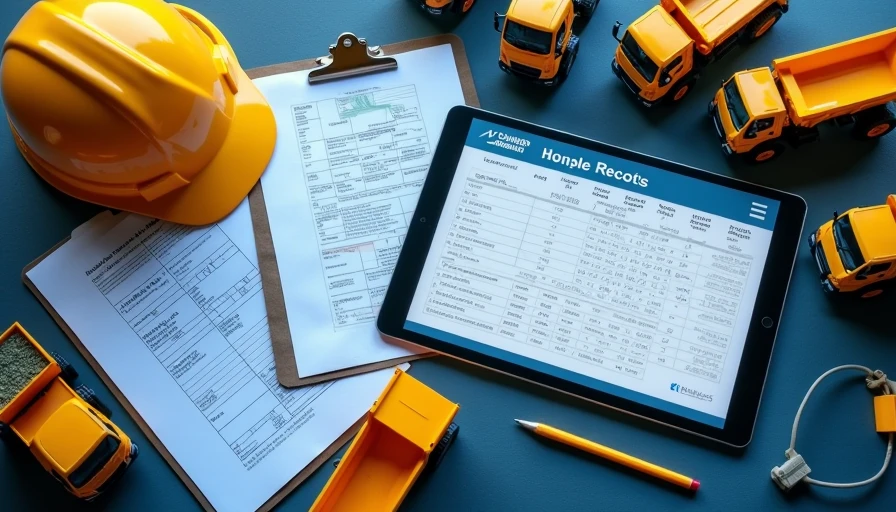
Standardize inspections, defect reporting, and repairs
Most fleet headaches are not caused by one catastrophic failure. They come from ten small problems nobody closed out. A mirror gets broken, then a camera goes dead, then a warning light gets ignored, then the machine misses PM because it is "still working." That is how construction fleet management turns into organized chaos.
Use one inspection format across the fleet, even if your machines vary. Keep it short enough that operators will actually do it, but serious enough to catch safety and reliability issues. Require photos for visible defects. Require a clear status: safe to run, safe to run with scheduled repair, or park now.
Then close the loop fast. If operators report issues and nothing happens, they stop reporting. If the shop writes work orders but parts are never staged, the backlog becomes normal. Good managers review open defects every day, not once a month.
Field Lesson: classify repairs by impact. Safety-critical first, production-critical second, nuisance items third. That sounds obvious, but a lot of shops lose half a day chasing cab trim while a loader with a charging problem sits outside waiting.
Know true cost before you buy, rent, or replace
A machine payment is not the cost of ownership. Real construction fleet management looks at fuel, maintenance labor, wear parts, tires or undercarriage, transport, insurance, downtime, and resale. A cheaper machine that spends days waiting on parts can cost far more than a premium unit with stronger dealer support.
This is where brands matter in practical ways. Caterpillar and John Deere often win on dealer footprint and support depth in many U.S. markets. Komatsu has a strong reputation in larger earthmoving fleets. Volvo and Hitachi can be excellent fits depending on your region and application. The right answer is not what looks best in the yard. It is what gets fixed fast and holds value.
When deciding whether to repair or replace, use thresholds. If annual repair cost starts climbing into a level that threatens uptime and the machine no longer matches your work mix, stop being sentimental. Move it out before one major component failure forces the decision for you.
What a strong fleet program looks like on Monday morning
If you want construction fleet management to work, make it visible and boring in the best possible way. Every Monday morning, your team should know which machines are available, which are in service, which have open defects, what parts are due in, and what rentals can be off-hired. That rhythm keeps small problems from turning into ugly invoices.
A solid weekly routine is simple: review telematics, review PM due units, review open work orders, review fuel exceptions, and talk to operators. Not at them, to them. The operator in the seat usually knows the machine is getting sick before the data catches up.
I've seen this go wrong. Here's how you avoid it: own the data, respect the inspections, and fix defects while they are still cheap. If your fleet feels harder to control every month, that is your sign to tighten the system now, before peak season hits and every bad habit gets expensive.



No letters yet — be the first to write.