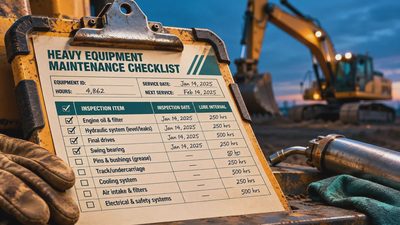
Picture a technician leaning into a stubborn fastener on a machine, one hand braced against dirty steel. The socket slips, the wrench swings, and a knuckle meets the frame. That is the kind of small mistake that can turn a straightforward repair into a trip to first aid. Snap-on makes professional hand tools worth considering for this work, but the name on the handle is no substitute for the right size, safe access, and a sound plan. I've seen this go wrong. Here's how you avoid it.
For a technician building a kit, I would start with the tools used every day: a good ratchet, the correct sockets, and wrenches that fit the fasteners on the machines you service. Snap-on is one option when professional-grade hand tools and dealer support matter. Compare it with brands such as SK and Wright, and buy by the job rather than by the size of the tool-truck catalog. For large machine work, budget separately for properly rated torque equipment and tooling specified by the equipment manufacturer.
Where Snap-on makes sense in a service kit
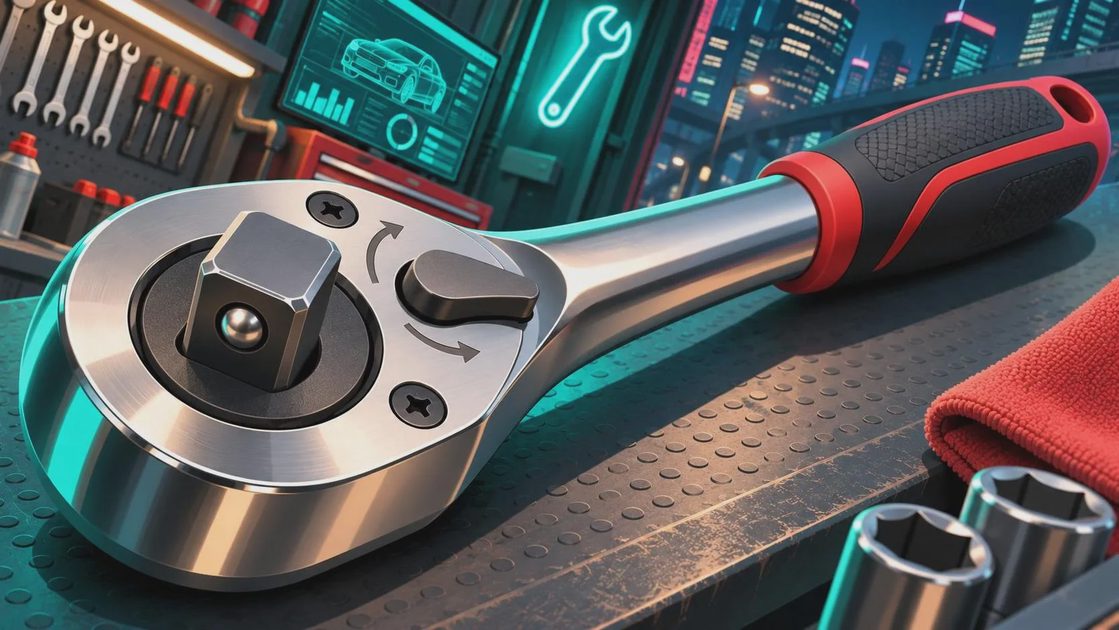
A ratchet and socket set gets handled all day on many repair jobs. Pay attention to the direction selector, grip, socket engagement, and clearance around the head. A fine-tooth ratchet can help where there is little room to swing, but it does not turn a ratchet into a breaker bar. Select the drive size and tool capacity for the job, and follow the tool manufacturer's instructions.
Wrenches deserve the same scrutiny. On hydraulic fittings and crowded engine compartments, access can matter as much as strength. Check whether the wrench seats fully without fouling a neighboring line or bracket. For tube fittings, an appropriately sized flare-nut wrench may offer better engagement than an open-end wrench. If the fitting is already rounded or corroded, stop and assess it rather than making the damage worse.
Snap-on also sells specialty tools, but specialty is not the same as universal. A puller, adapter, or diagnostic tool needs the right capacity and application for the component. On a final drive or track system, the machine service procedure may call for purpose-built tooling. Don't substitute a general-purpose puller because it happens to fit over the part.
Spend according to the work, not the logo
A field mechanic working on several machine makes needs a different loadout from a shop technician assigned to one fleet. Before buying Snap-on or any other premium tool, write down the fastener sizes and access problems that actually slow you down. Check the machine's service information for required special tools, torque ranges, and drive sizes. Then fill the gaps.
Field Lesson: A common repair scenario is a recessed bolt that looks accessible until the socket and extension are in place. If the extension has to run at an angle, the socket may not seat squarely. Try a different extension length, a suitable swivel or joint where permitted, or remove the obstruction under the service procedure. A longer handle will not fix a crooked setup.
For a new technician, a practical first purchase is a basic set of six-point sockets in the sizes used on the fleet, paired with a matching ratchet and extensions. Six-point sockets can provide more contact on suitable hex fasteners than twelve-point sockets. That does not make them immune to slipping: the socket still has to be the correct size and fully seated. Add combination wrenches and screwdrivers as the work demands them.
A shop foreman buying for shared use should also consider replacement and accountability. A premium socket that disappears into a service truck is not helping the crew. Establish where shared tools live, who checks them out, and how damaged pieces get reported. Before ordering a large set, compare it with a list of what is already on the shelves.
Torque tools and impact tools are separate decisions
Snap-on torque wrenches may be worth comparing with other professional options, but a torque wrench is a measuring instrument, not just an expensive ratchet. Choose a range that covers the specified torque, use the correct units, and follow the wrench maker's instructions for operation, storage, inspection, and calibration. A wrench dropped on concrete or suspected of damage should be taken out of service until it is checked.
The machine procedure controls the fastening job. Some joints call for a particular sequence, lubrication condition, angle tightening, or replacement hardware. A clean, accurate wrench cannot compensate for using a dry torque value on a joint that requires lubrication. If an adapter or extension changes the effective lever length, consult the wrench manufacturer's instructions for any needed calculation.
Safety Alert: Use impact-rated sockets and accessories with impact tools. Hand-tool chrome sockets are not a safe substitute simply because the drive size matches. Inspect impact sockets for cracks, wear, and damaged retaining features, and use the retention method specified for the tool. Wear eye protection and keep other people clear of the work area.
Check service support before buying
One reason technicians consider Snap-on is access to a dealer who can supply tools and handle service questions. Availability and service arrangements can vary by location, so ask how your site will be supported before making a large purchase. A remote mine and a shop on a regular dealer route may have very different practical needs.
Read the applicable warranty terms for the specific tool. Hand tools, electronic equipment, torque instruments, and consumable items may have different coverage or service requirements. Ask what proof of purchase is needed, how a claim is handled, and what happens if the dealer cannot reach your site promptly. A warranty is useful; a backup tool can still be essential when a machine is down.
If you are looking at used Snap-on tools, inspect them before money changes hands. Look for spread wrench jaws, rounded socket openings, cracked housings, damaged ratchet mechanisms, and signs of grinding or welding. For a used torque wrench, account for inspection and calibration rather than assuming it reads correctly. Verify warranty eligibility directly instead of assuming it transfers with the tool.
Know when the job needs a shop
No hand-tool brand makes stored energy harmless. Before work begins, follow the machine-specific shutdown and isolation procedure, control hydraulic pressure and stored energy, and support raised equipment with approved means. Never rely on a hydraulic system alone to hold a load while someone works beneath it.
When a fastener will not move, or a component needs heating, pressing, lifting, or a capacity beyond the equipment on hand, stop. Bring in the right tooling and qualified help. The best Snap-on purchase is the one that helps a technician do the assigned work safely; the best decision may be leaving a difficult job for a properly equipped shop.