At a road project outside Pueblo, Colorado, I watched a contractor lose half a day's production because nobody knew which service truck had the replacement hydraulic hose. The truck was parked 18 miles away, its inspection history lived in a spreadsheet, and the foreman was calling drivers one at a time. That is why Top 5 Fleet Management Software for Mid-Size Contractors is not just a software search. It is a reliability and safety decision.
In my Caterpillar field-service years, the best maintenance program was never the fanciest one. It was the one a mechanic could use with dirty gloves, a supervisor could understand before sunrise, and a company owner could afford to keep running. The same standard applies to fleet software. A platform should track trucks, trailers, service bodies, and equipment without becoming another neglected office chore.
What mid-size contractors actually need
A contractor with 15 to 100 vehicles usually needs more than basic GPS dots on a map. Look for preventive-maintenance scheduling based on mileage, engine hours, calendar dates, or fault codes. A skid steer might need service by engine hours while a pickup gets its reminders by miles. Treating both the same is how filters get missed.
You also need digital inspections, repair histories, work orders, driver communication, and permission controls. A foreman should be able to report a damaged tire from a phone. A shop lead should see whether that truck is safe to dispatch. An owner should be able to review utilization and fuel spending without digging through six disconnected files.
Telematics can also support insurance conversations by documenting driver behavior, vehicle use, and maintenance activity. It does not replace a commercial auto policy or proper liability limits, but organized records can help demonstrate that the company takes risk control seriously. Ask an insurance professional how documentation could affect your account rather than assuming software automatically lowers premiums.
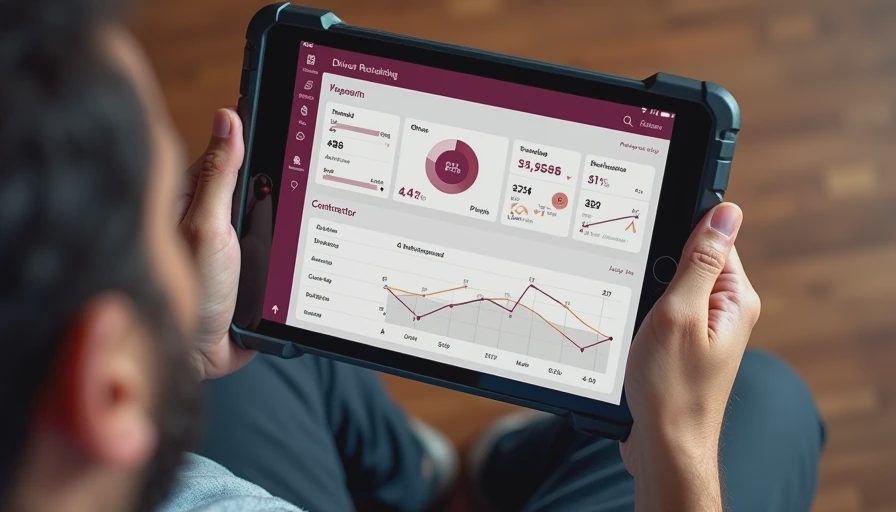
Top 5 Fleet Management Software for Mid-Size Contractors: the shortlist
Fleetio is a strong maintenance-first choice for contractors that already have vehicles and equipment but lack a dependable service system. It is known for asset records, inspections, parts tracking, fuel entries, and work orders. A shop can build service schedules and see a truck's repair history before approving another long road trip. Fleetio is worth a close look when maintenance discipline matters more than advanced driver coaching.
Samsara combines GPS tracking, vehicle telematics, cameras, routing, inspections, and broader operational reporting. Its appeal is a unified platform for companies with mixed fleets and multiple crews. A contractor can use it to monitor location, review harsh events, and connect inspection information to dispatch decisions. Installation, subscription cost, and the amount of data presented to supervisors deserve careful evaluation.
Verizon Connect offers fleet tracking, maintenance features, route visibility, and reporting for businesses that want a mature telematics product. It can fit contractors managing service vans, dump trucks, trailers, and regional crews. Its value improves when someone owns the implementation. No platform can rescue a company that installs devices but never reviews exceptions, overdue maintenance, or unauthorized use.
Motive is built around fleet management, driver safety, electronic logging, vehicle tracking, and workflow tools. It can make sense for contractors running heavier trucks or operations where compliance and driver behavior deserve regular attention. Before signing, confirm that the hardware works with every vehicle class in the yard, including older trucks and specialty units with unusual electrical setups.
Azuga emphasizes GPS fleet tracking, driver safety, vehicle utilization, and maintenance support. Its reporting can suit contractors who want coaching tools without building a system from scratch. Price the full package, including hardware, installation, camera options, and contract terms. A low monthly quote can change quickly when every truck needs extra equipment.
How I would compare the five in a real yard
Top 5 Fleet Management Software for Mid-Size Contractors should be tested against your actual morning routine, not a polished sales demonstration. Put one unit from each major category into the trial: a newer pickup, an older dump truck, a trailer, and a machine that reports engine hours. Then ask a mechanic to create a service reminder, an operator to complete an inspection, and a foreman to find the nearest available truck.
Record how many taps each job takes. If a driver needs a strong cellular signal to finish a safety inspection, test the system at a remote excavation site. If the platform cannot separate personal miles from job travel, identify who will clean up those records. Also verify data export. You should be able to retrieve asset history if you change vendors later.
A practical cost comparison includes hardware, installation, monthly subscriptions, camera storage, onboarding, support, and cancellation fees. For a 30-truck fleet, even a difference of $20 per unit per month equals $7,200 over a year. That figure is small beside one preventable engine failure, but it is still real money that belongs in the budget.
Safety Alert: GPS tracking is not permission to distract drivers. Configure alerts for review by supervisors after the vehicle is parked. Never expect an operator to handle app notifications while moving, loading, backing, or working near ground personnel.

The maintenance test that separates useful software
Top 5 Fleet Management Software for Mid-Size Contractors should all pass one simple test: can the system prevent a known failure? Take a wheel loader with 4,000 engine hours. Enter the next engine-oil service, hydraulic-filter interval, tire inspection, and annual fire-extinguisher check. Assign the work to a real shop employee and see whether overdue tasks remain visible without someone exporting a report.
Then test failure documentation. A mechanic should be able to attach a photo of a leaking final-drive seal, note parts ordered, assign downtime, and close the repair with labor and meter readings. Those details matter when the same machine returns with a repeat problem. A colorful dashboard is useless if the history cannot help the next technician diagnose the fault.
Field Lesson: On remote sites, the first report is often incomplete. Make room for a quick note such as “left steer tire losing air” and let the shop add the technical diagnosis later. Forcing an operator to choose from a long menu encourages bad entries or no entry at all.
A sensible buying process for contractors
Start by naming one owner for the rollout. That person should gather the asset list, confirm vehicle numbers, define inspection rules, and set the first maintenance intervals. Do not load every possible alert on day one. Begin with overdue service, check-engine events, speeding, harsh braking, and unauthorized movement. After two or three weeks, remove alerts that nobody acts on.
Run a 30-day pilot with five to ten units. Include at least one skeptical driver and one experienced mechanic. Ask them what slows the job, what information is missing, and which alerts are noise. Compare the pilot's odometer and engine-hour readings against the vehicle displays. Bad baseline data will create bad maintenance decisions.
Top 5 Fleet Management Software for Mid-Size Contractors is a useful starting point, but the best choice is the one your crew will use consistently. Fleetio often suits maintenance-led shops; Samsara and Verizon Connect fit broad telematics programs; Motive is worth examining for safety and compliance workflows; Azuga can serve contractors focused on tracking and driver coaching. Get live demonstrations using your equipment list, read the contract, and make the vendor prove the workflow in field conditions. I've seen this go wrong. Here's how you avoid it: buy less software, enforce better habits, and never let a dashboard replace a walk-around inspection.