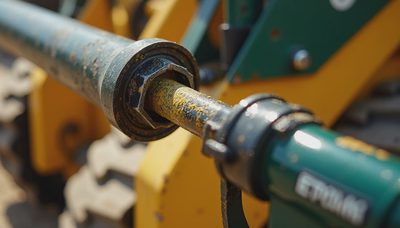
At a copper mine outside Calama, Chile, I watched a haul truck come in with a hot final drive and leave the next shift on a tow bar. The operator had reported a small oil leak for three days. Nobody stopped the truck because production was behind. The leak became a failed bearing, a seized gear set, and nearly $40,000 in parts and labor before freight. That is why construction equipment maintenance best practices are not paperwork. They are the difference between a ten-minute repair and a week of lost production. I've seen this go wrong. Here's how you avoid it.
Start With a Useful Inspection, Not a Clipboard Ritual
A pre-start inspection should tell you whether the machine is safe and whether a developing fault needs attention. It should not be a rushed signature at the fuel tank. Walk around the machine in the same direction every time. Look under the engine, transmission, hydraulic tank, and axles for fresh oil, coolant, or fuel. Check for cracked welds, loose guards, damaged steps, missing pins, and tire or track damage.
Start the machine only after checking fluid levels and obvious hazards. Once the engine is running, watch the gauges and listen before moving. A slow hydraulic function, unusual pump whine, or warning lamp deserves a recorded note, not a shrug. Ask operators to describe what changed: a new vibration, a harder cold start, or a boom that settles overnight. Those details often identify a fault before a sensor does.
Field Lesson: On a road project in Nevada, a loader operator mentioned that the steering felt “lazy” only when the bucket was full. The shop found a suction-side hydraulic leak that was pulling air into the pump. A five-dollar clamp and short hose section prevented a pump replacement.

Build Service Intervals Around the Work
Factory intervals are a starting point, not a substitute for site knowledge. A wheel loader moving clean aggregate has a different maintenance burden from a skid steer cutting concrete in dust. Track engine hours, idle time, load cycles, and the environment. High idle time increases fuel use and can shorten service life even when the hour meter barely moves.
Use the manufacturer’s service manual for lubricant grades, filter specifications, torque values, and replacement intervals. Do not mix hydraulic oils simply because both containers say “hydraulic.” Additives and viscosity can differ. A clean transfer pump, labeled containers, and sealed fittings are cheaper than contaminated oil and a damaged valve bank.
Set up a service board or digital log that records the machine number, hour meter, work completed, parts installed, fluid added, and unresolved defects. Caterpillar, Komatsu, John Deere, Volvo, and Hitachi machines all have different service requirements. A generic spreadsheet can track history, but it cannot replace the correct manual or electronic service tool.
The best construction equipment maintenance best practices also include planning parts before the service window. Keep common filters, drain-plug seals, sample bottles, grease, and approved fluids in stock. Waiting two days for a filter turns a scheduled service into an emergency.
Keep Contamination Out of Hydraulics and Fuel
Most hydraulic failures I saw were not caused by a mysterious design flaw. Dirt, water, heat, or the wrong oil did the damage slowly. Wipe filler caps before opening them. Store hydraulic oil indoors with the containers sealed and marked. Keep hoses capped during replacement, and never drag a new hose through mud before installation.
A clean breather matters because a plugged tank breather can create vacuum problems and starve a pump. Inspect hose routing for rubbing, especially near articulation joints and boom pivots. A hose can look fine from six feet away while its reinforcement is being worn through by a bracket.
Oil sampling is valuable when it creates a trend. Take samples from the same port, at a similar operating temperature, and at a consistent interval. Rising silicon can point to dirt entry, while fuel dilution or coolant traces demand prompt investigation. Do not use one abnormal result as permission to rebuild an engine blindly. Confirm it with inspection and, when needed, a qualified laboratory or dealer technician.
Safety Alert: Never use your hand to search for a hydraulic leak. High-pressure oil can penetrate skin with a pinhole opening and create a medical emergency. Shut down, lower attachments, relieve stored pressure, and use cardboard or wood to locate the leak.

Grease the Parts That Actually Move
Grease is cheap compared with pins, bushings, and downtime, but over-greasing can damage seals and create its own mess. Follow the manual for grease type and quantity. On excavator bucket pins, clean the fitting before attaching the gun. If the fitting will not accept grease, do not keep forcing pressure until the hose bursts. Remove the fitting, check for hardened grease, and investigate the passage.
Pay special attention to loader articulation joints, excavator swing bearings, boom and stick pivots, tilt couplers, and steering cylinders. Look for grease that is pushed out with metal dust or water. That is not normal waste; it can be evidence of wear or failed sealing. A technician should measure play against the manufacturer’s limits before a pin wears the bore into an expensive machine-shop problem.
Undercarriage care deserves the same discipline. Clean packed mud from excavator tracks, check track tension according to the manual, and inspect sprocket teeth, rollers, idlers, and shoes. Excessive tension increases wear. Loose tracks can derail. Neither condition is fixed by guessing.
Use Failure Signs to Schedule Repairs
A good maintenance program does more than replace parts on a calendar. It watches for changes. A dozer that pulls to one side may have track tension, final-drive, or steering trouble. A motor grader with a new circle-drive noise should not be sent back to work until the source is identified. A compact track loader with a hot hydraulic case drain can destroy a motor if the warning is ignored.
Take photographs of leaks, cracked welds, damaged wiring, and unusual wear. Record the machine’s hours and operating conditions. This gives the shop useful evidence and helps the next shift understand the risk. Prioritize defects by safety, likelihood of causing secondary damage, and production impact. A broken mirror and a hydraulic hose bulging at the fitting do not belong in the same queue.
Construction equipment maintenance best practices work best when operators have authority to report and stop unsafe equipment. A short production delay is acceptable. An attachment dropping unexpectedly or a machine losing steering is not.
Know When to Stop and Call a Specialist
Some jobs belong to trained technicians with the right tooling. Examples include opening a high-pressure common-rail fuel system, testing accumulator pressure, calibrating electronic controls, rebuilding a swing gearbox, and adjusting engine timing. Lockout and tagout procedures must be followed before anyone enters a danger zone or works beneath a raised attachment. Use rated stands, not a hydraulic cylinder, to support a machine.
I once saw a young mechanic prepare to loosen a large hydraulic fitting on an elevated shovel boom. The machine had been shut down, but pressure remained trapped in the circuit. We stopped, isolated the system, lowered the boom safely, and verified zero pressure. That extra time prevented a serious injury.
The practical goal of construction equipment maintenance best practices is not to make every operator a rebuilder. It is to catch trouble early, protect the people near the machine, and give specialists accurate information when a repair exceeds field capability. A disciplined walk-around, clean fluids, proper lubrication, honest defect reporting, and trend-based inspections will save more money than heroic midnight repairs. Spent two weeks on that site. Here's what I learned: the machine usually gives you a warning. Your system has to be good enough to hear it.