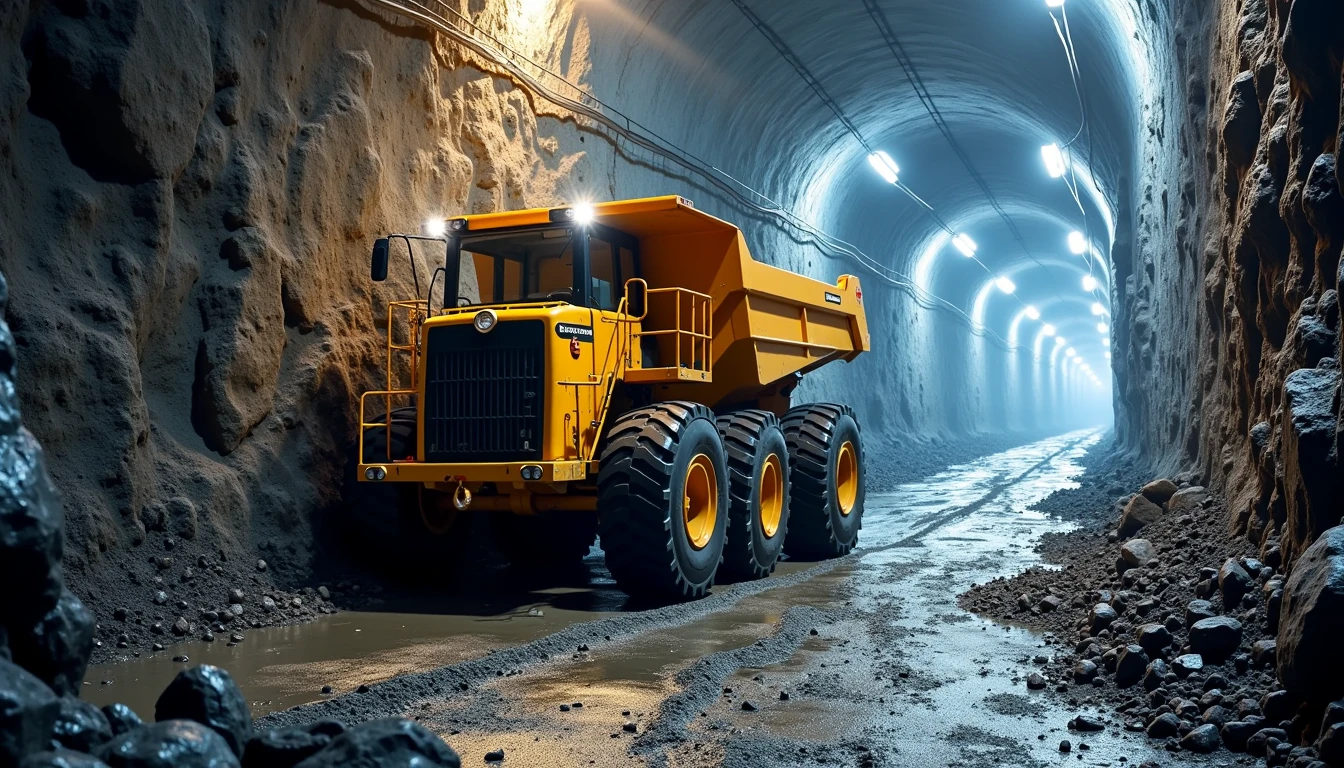
Electric Mining Equipment in 2026: Picking OEMs That Cut Ventilation Cost and Total Cost of Ownership
The Big Picture (why this matters now)
I watched a crew in a deep hard-rock mine keep an old diesel loader alive with bailing wire and prayers because the fuel truck couldn’t make the road after a storm. They lost shifts, then they lost money, and they were one bad decision away from losing a man. Field Lesson: remote logistics and diesel dependence don’t just raise cost—they turn into safety and uptime roulette when conditions go sideways.
That’s why 2026 is a turning point. The source is blunt: the global mining sector has crossed a “critical threshold” driven by stringent carbon emission regulations, a Net Zero by 2050 push, and the “harsh economic realities of diesel fuel logistics in remote operations.” In plain fleet terms, the transition to battery-electric vehicles (BEVs) and fully electric infrastructure is moving from pilot projects to operational requirements.
For procurement and maintenance leaders, the business impact is clear and immediate:
- Uptime protection when fuel logistics fail in remote operations.
- Lower total cost of ownership (TCO) when diesel-related overhead drops.
- Reduced underground operating burden, especially where ventilation is a profit killer.
ORO Mineral’s perspective is based on engineering high-capacity mineral processing equipment, and they call out three direct operational levers from replacing diesel-powered machinery with electric alternatives: reduced underground ventilation costs, minimized thermal stress on components, and dramatically lower TCO.
Key Details (manufacturers, focus areas, platforms)
The source frames supplier selection as the most vital procurement decision for mine operators because success depends on more than the machine. The article specifically warns buyers to understand:
- Battery architectures
- Charging infrastructure interoperability
- Heavy-duty drivetrain durability
- Digital ecosystems and aftermarket support networks
Comparative matrix: who’s doing what (from the source table)
The source provides a high-level comparison of seven manufacturers and what they’re known for in electrification:
- Epiroc (Sweden)
Primary electric focus: Underground loaders and drill rigs
Signature technology/platform: Battery-Electric Scooptram ST10 G
- Sandvik AB (Sweden)
Primary electric focus: Hard-rock underground mining
Signature technology/platform: AutoMine and OptiMine ecosystem
- Caterpillar Inc. (USA)
Primary electric focus: Surface mining and haul trucks
Signature technology/platform: Cat MineStar and Dynamic Charging
- Komatsu Ltd. (Japan)
Primary electric focus: Surface and underground equipment
Signature technology/platform: Autonomous Haulage System (AHS)
- ORO Mineral Co., Ltd. (China)
Primary electric focus: Mineral processing and separation
Signature technology/platform: Intelligent electric screening and washing
- MacLean Engineering (Canada)
Primary electric focus: Underground production support
Signature technology/platform: EV Series fleet (cassette trucks, bolters)
- SANY Group (China)
Primary electric focus: Heavy machinery and surface mining
Signature technology/platform: High-efficiency battery haul trucks
What the source says about Epiroc (more than a battery swap)
The article goes deeper on Epiroc as an example of what “real” electrification looks like underground:
- Epiroc is positioned “at the absolute forefront of underground electrification.”
- They redesign the chassis to optimize weight distribution and cooling—not just replace an engine with a battery.
- Their Battery-Electric Scooptram series is tied to agnostic connectivity platforms so operators can monitor battery health and thermal output in real time.
- They’re also partnering to build mining equipment using zero-emission, recycled steel, which the source calls a new environmental benchmark.
Safety Alert: underground heat is not a comfort problem—it’s a component life and fire-risk multiplier. If your electrification plan doesn’t include thermal management and monitoring, you’re buying tomorrow’s failure. The source’s emphasis on real-time thermal output monitoring is not optional in confined headings.
Operational Impact (maintenance, TCO, uptime, fleet implications)
The source is clear that electrification affects the entire operating system, not just the prime mover. For fleet managers and maintenance supervisors, here’s the practical “so what” based strictly on what the source states.
1) Ventilation cost is a procurement driver, not an afterthought
ORO Mineral states that replacing diesel-powered machinery with electric alternatives significantly reduces underground ventilation costs. If you’re running underground and ventilation is “severely impacting profitability” (their wording), then electric loaders and support fleets aren’t just a sustainability move—they’re a direct cost-control strategy.
Field Lesson: I’ve seen mines spend serious money moving air to deal with diesel heat and exhaust. When production pushes deeper, ventilation becomes a tax you pay every hour. Anything that reduces that load buys you margin.
2) Thermal stress reduction changes failure patterns
The source states electrification minimizes thermal stress on components. That matters for reliability planning because thermal cycling and high ambient heat shorten life on hoses, seals, electronics, and cooling systems. If electrification reduces thermal stress, you should expect changes in:
- Mean time between failures (MTBF) trends (the source doesn’t provide numbers, but it flags the mechanism)
- Maintenance scheduling assumptions tied to heat-driven wear
3) TCO isn’t just energy cost—it’s ecosystem, support, and interoperability
ORO Mineral says electrification can dramatically lower TCO, but only if you pick suppliers correctly. Their recommendation is explicit: evaluate manufacturers not only on machine specifications, but also on:
- Digital ecosystems (for monitoring and management)
- Aftermarket support networks
- Charging interoperability and battery architecture fit
That’s procurement guidance with teeth: buying a mixed fleet without interoperability planning is how you end up with charging bottlenecks, stranded assets, and downtime dressed up as “technology learning.”
Safety Alert: charging infrastructure is high-energy work. If your rollout plan doesn’t include disciplined lockout/tagout procedures, controlled access, and trained techs, you’re building a new hazard into your yard and your headings. Don’t let “innovation” outrun field controls.
What to Watch (regulatory pressure and technology risk)
The source points to three macro pressures you should plan around:
- Stringent carbon emission regulations tightening operating constraints.
- Net Zero by 2050 targets accelerating executive and investor demands.
- Diesel fuel logistics risk in remote operations—an economic and operational exposure, not just a fuel price line item.
On the technology risk side, the source flags where fleets get burned:
- Battery architecture mismatches
- Charging infrastructure interoperability gaps
- Heavy-duty drivetrain durability limits
- Weak aftermarket support
If you’re writing bid specs or evaluating OEMs, the source’s underlying message is that electrification winners will be the ones who can deliver a complete, supported operating system—machines, charging, monitoring, and service capability.
Bottom Line (action for fleet and ops managers)
If you’re making procurement decisions in 2026, the source’s guidance boils down to this: electrification is now an operational requirement, and the right OEM choice is a TCO and uptime decision—not a branding exercise.
Action steps grounded in the source:
1. Match OEMs to your mining method and environment: underground ventilation-driven operations should weigh suppliers like Epiroc heavily; surface fleets should examine OEMs focused on haul trucks and dynamic charging (as listed for Caterpillar and SANY).
2. Write procurement requirements around interoperability and support: battery architecture, charging interoperability, digital ecosystem, and aftermarket network should be evaluated alongside machine specs.
3. Prioritize real-time monitoring of battery health and thermal output where available, because unmanaged heat and poor visibility are how new technology fails in the field.
I’ve seen equipment choices make or break a site’s uptime. The source’s message is straight: pick the manufacturer that can keep iron moving with a full electrified ecosystem—or you’ll just trade diesel problems for charging problems.