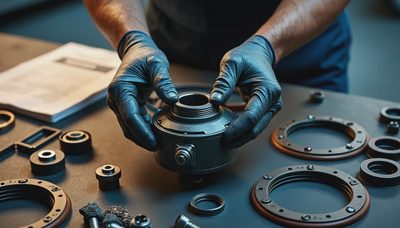
I first learned how expensive it is to miss the **signs your hydraulic pump is failing** on a shovel support machine in Chile. Operator said the boom felt lazy, another tech blamed the relief valve, and by the time I got there the pump case drain looked like glitter paint. We were no longer talking about a pump swap. We were talking pump, valves, cylinders, flushing, downtime, and one angry superintendent. I've seen this go wrong. Here's how you avoid it.
A hydraulic pump usually gives you warnings before it dies completely. The trouble is that crews get used to gradual changes. A machine that is a little slower today becomes the new normal next week. Then one hot shift, it falls on its face. If you catch the early clues, you can often stop a contained pump problem from turning into full-system contamination.
Slow or weak hydraulic functions
One of the clearest signs your hydraulic pump is failing is loss of speed or power in hydraulic functions. The bucket curls slower. The boom stalls under a load it used to handle. Travel gets weak when oil warms up. On excavators, wheel loaders, skid steers, and drill rigs, that drop in performance is often the first complaint from the seat.
Now, don't play desk-jockey and condemn the pump in five minutes. Weak hydraulics can also come from low fluid level, clogged suction strainers, worn cylinders bypassing internally, sticking control valves, or relief valves set wrong. But a worn pump will often show a pattern: the machine works somewhat cold, then loses response as the oil heats and internal leakage grows.
Field Lesson: If performance falls off more when the machine is hot than when it is cold, I start looking hard at pump wear, case drain flow, and pressure test results.
If your machine suddenly needs higher rpm to do the same work, that's not a personality trait. That's a warning.
Whining, knocking, or growling noises
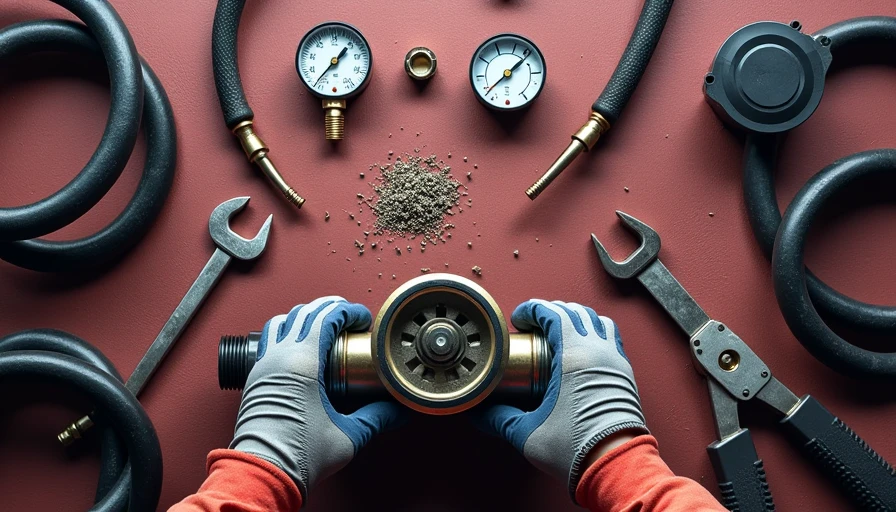
Hydraulic pumps are not silent, but experienced ears know the difference between normal pump whir and trouble. A high-pitched whine often points to aeration or cavitation. A growl or harsh knocking can mean the rotating group is being damaged. Those sounds are among the most overlooked signs your hydraulic pump is failing, especially on busy sites where every machine already makes enough racket to drown out trouble.
Cavitation happens when the pump can't get a solid supply of oil. That can come from a restricted suction line, plugged breather, collapsed suction hose, wrong oil viscosity, or cold thick oil. Aeration means air is getting into the fluid, often through loose fittings or suction-side leaks. Both conditions can destroy a pump fast.
Safety Alert: Never put hands near a suspected suction leak on a live hydraulic system. Air can be pulled in where oil barely seeps out, and high-pressure leaks can inject fluid through skin. Shut it down, isolate pressure, and inspect it properly.
Spent two weeks on a West Africa site chasing a pump whine that turned out to be a soft suction hose collapsing internally. New pump would have failed too.
Rising oil temperature and burnt-smelling fluid
Heat is a killer. If hydraulic oil temperature keeps climbing without a clear workload change, pay attention. Excess internal leakage inside a worn pump turns horsepower into heat instead of useful work. That's one of the most reliable signs your hydraulic pump is failing, especially when the rest of the cooling system checks out.
Hot oil thins out, lubrication suffers, seals harden, and wear speeds up across the system. Operators sometimes report that controls feel mushy, the machine gets slower through the shift, and the tank smells burnt at shutdown. Those are not minor comfort issues. They are early failure language.
Check the basics first: correct oil level, cooler cleanliness, fan operation, and whether the oil grade matches ambient conditions. Then test system pressure and flow. If the pump is bleeding off internally, you'll usually see the evidence in heat and weak output together.
Field Lesson: Burnt-smelling oil is not just old oil. It is often a message that energy is being wasted somewhere, and the pump is high on the suspect list.
Excessive case drain flow or metal in filters
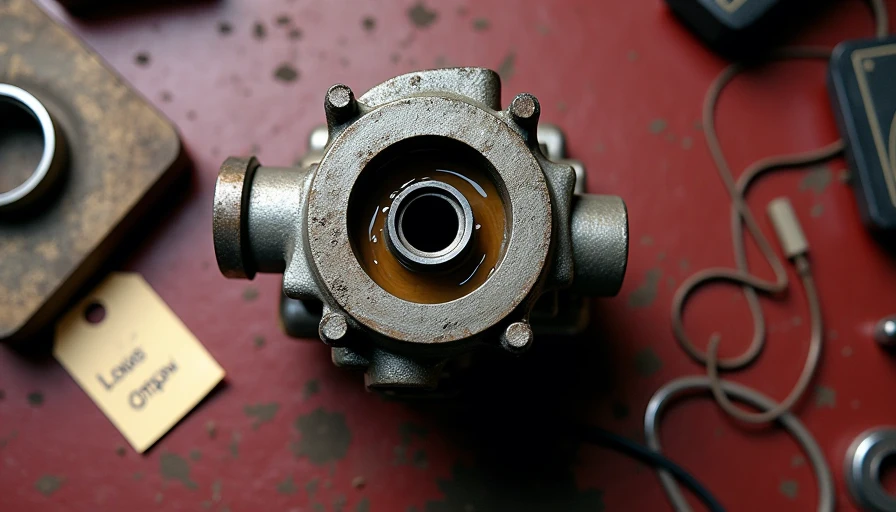
If I had to pick one hard indicator over a seat-of-the-pants complaint, it would be excessive case drain flow. Many piston pumps route internal leakage back to tank through the case drain. As internal wear increases, that flow rises. Too much case drain is the pump telling you it is worn out on the inside.
You need service data for the exact machine, because acceptable case drain rates vary by model and temperature. But as a rule, if case drain has clearly increased and performance is falling, start planning action now, not after the next production push.
Then cut the filters open. If you find bronze, steel, or shiny metallic debris, stop pretending it will heal itself. Metal from a failing pump doesn't stay politely inside the pump. It travels. Then you are cleaning valve banks, lines, motors, cylinders, and tanks.
Safety Alert: Once metal contamination is confirmed, do not just bolt on a new pump and send it. Flush the system correctly and inspect affected components, or you'll feed the replacement pump the same debris that killed the first one.
Pressure fluctuations, jerky movement, and hard starts
Another set of signs your hydraulic pump is failing shows up in machine behavior rather than outright weakness. Pressure may hunt instead of holding steady. Functions may chatter, jerk, or surge. The machine may hesitate before lifting, then jump. On some units, the pump gets noisy and sluggish on cold starts, then acts erratic all day.
Those symptoms can involve pump controls as much as the rotating group itself. A load-sensing pump with a sticky compensator can mimic a main pump problem. A worn charge pump can starve a hydrostatic system and create ugly drive complaints. That's why real diagnosis matters.
Here's my plain-spoken rule: if you have poor response, noise, heat, and unstable pressure together, quit guessing and test it. Put gauges on it. Check case drain. Pull samples. Review the filter history. A few hours of proper troubleshooting can save tens of thousands in parts and downtime on larger iron.
I've seen this go wrong. Here's how you avoid it: treat early symptoms as a planned maintenance event, not a run-to-failure challenge. When the signs line up, park the machine, inspect the suction side, test the pump, and decide whether you're repairing a component or saving a whole hydraulic system.